





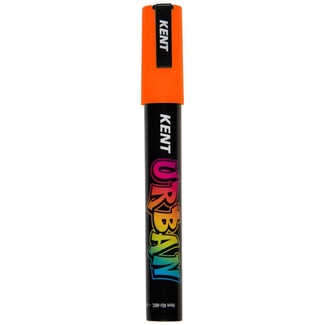
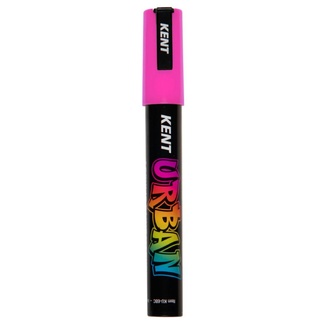
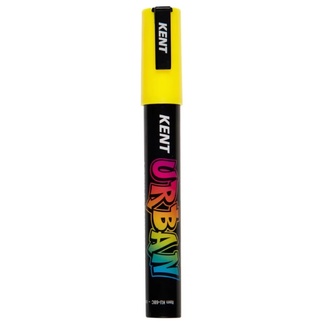
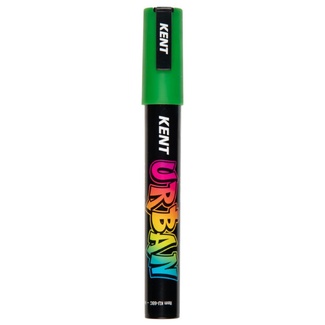
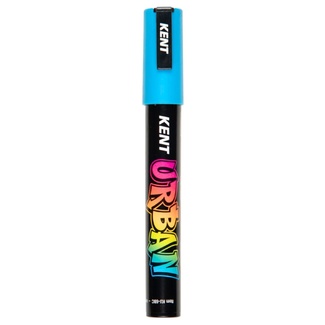
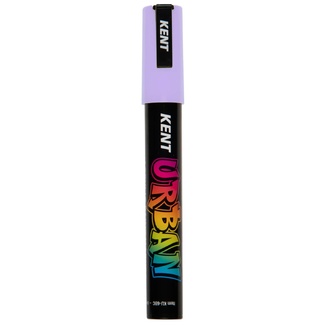
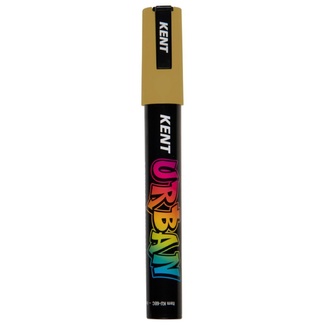
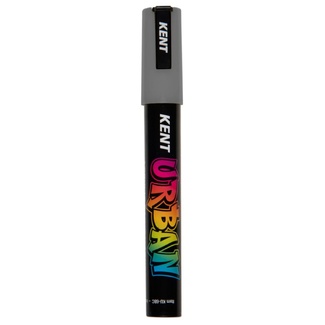
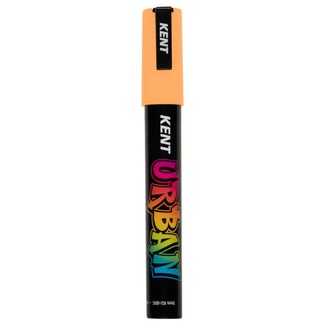
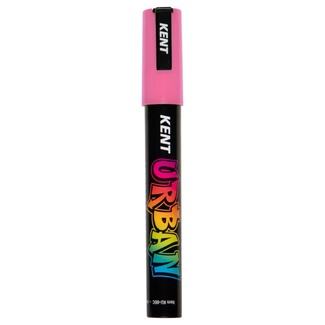
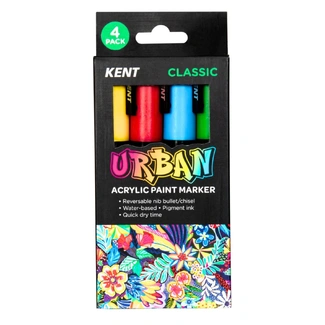
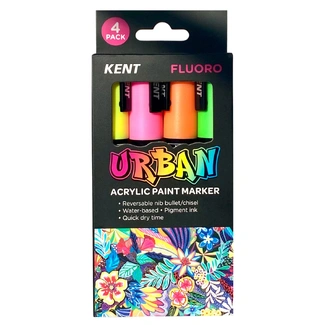
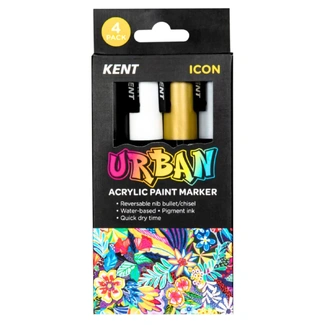
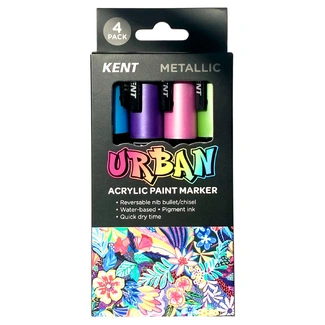
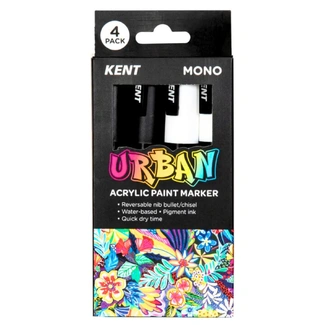
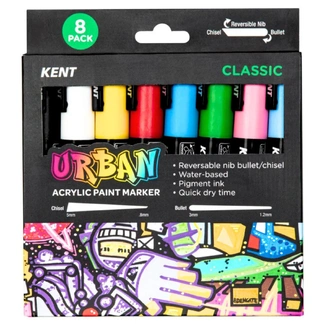
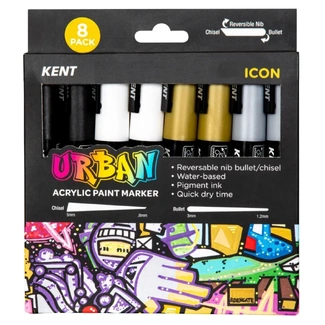
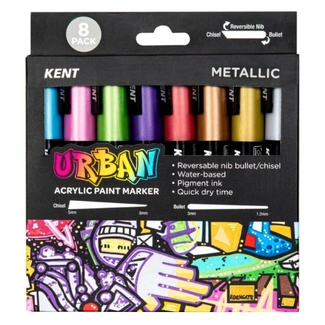
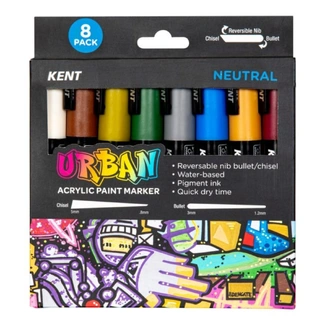
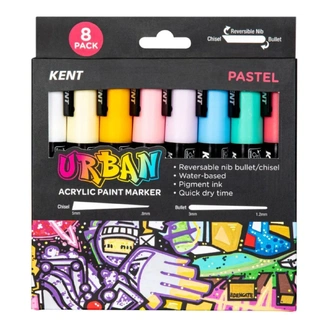
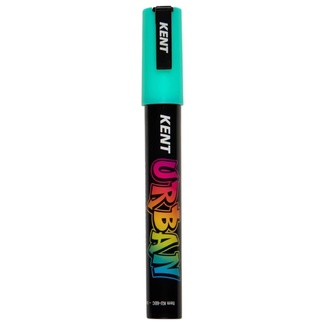
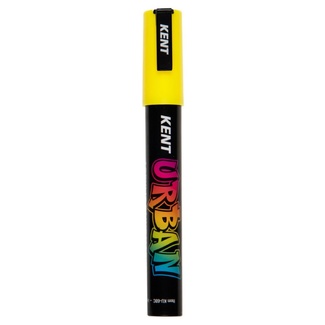
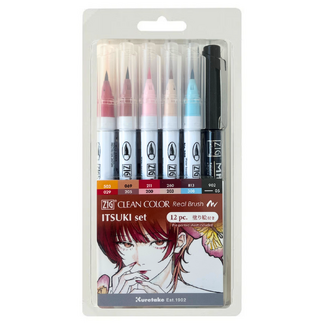
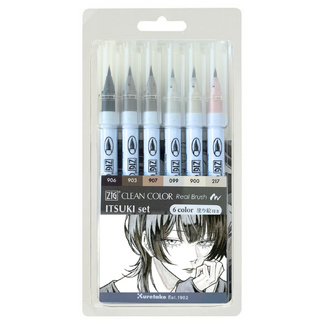
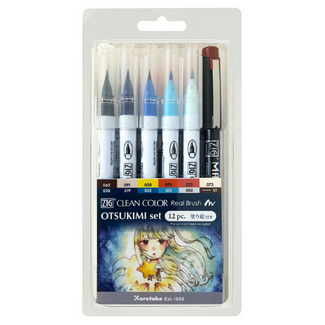
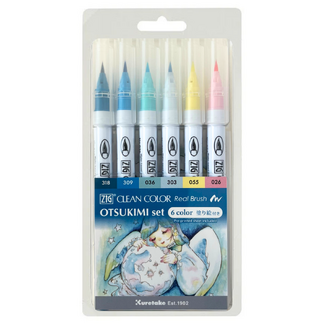
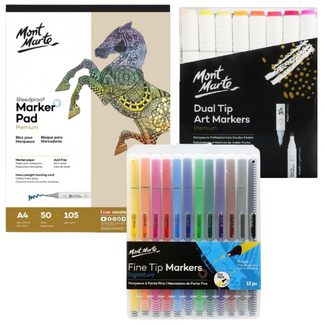
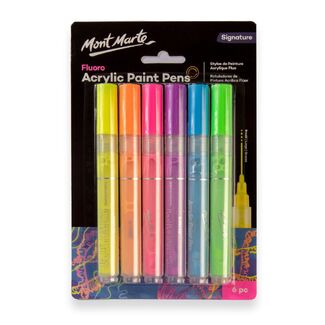
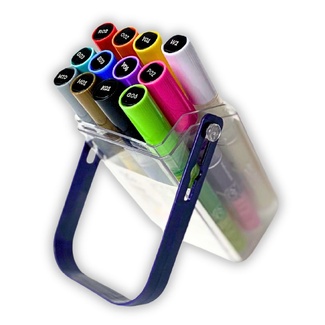
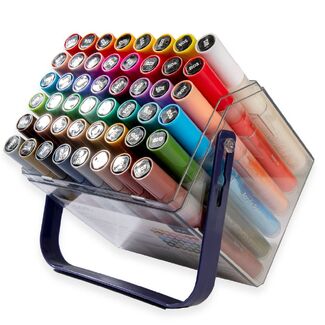
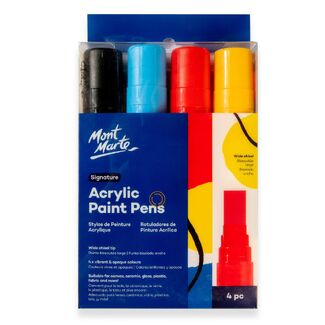
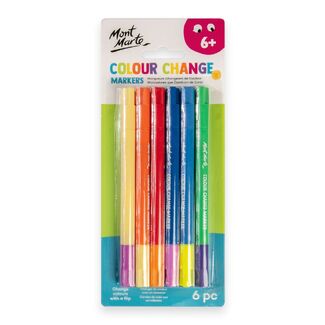
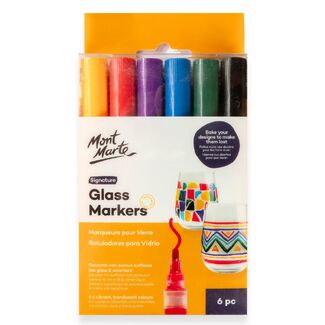
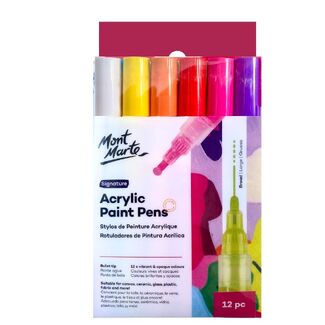
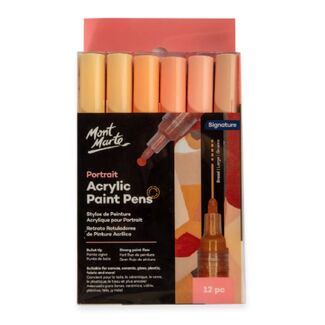
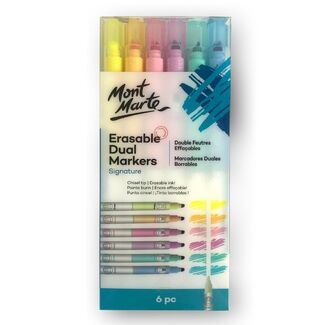
Buying markers as a set solves a specific problem individual markers don't: colour coordination. A set is chosen so the colours actually work together, with tonal ranges built in for shading and blending, something that's genuinely difficult to assemble by picking individual markers off a shelf one at a time. Art Shed stocks 152 marker set products across illustration, design, and beginner colouring ranges.
Is a marker set actually better value than buying individually?
For anyone building a working palette, yes, and not just on price. A curated set groups complementary and tonal colours deliberately, so you get the light, mid, and dark tones of a colour family in one purchase rather than guessing which individual markers will sit well together. Buying individually makes more sense once you already know your palette well and need to replace or extend a couple of specific colours, rather than build a range from nothing.
What types of markers come in a set, and does it matter?
"Marker set" covers more than one kind of product, and the difference matters for how the set behaves. Alcohol-based marker sets are the standard for illustration and concept art, since the alcohol solvent keeps the ink workable long enough to blend one colour smoothly into the next before it dries. Water-based marker sets are common in beginner and colouring-book sets, drying faster and cleaning up more easily, but with less smooth blending between shades. Paint marker sets are opaque, water-based pigment rather than ink, they are built for a different purpose again, covering surfaces like wood, glass, or fabric rather than paper-based blending work. Checking which type a set actually contains matters more than the colour count on the box.
Can markers from a set be blended together?
Alcohol-based sets are specifically designed for this, colours within the same family blend into smooth gradients while the ink is still wet, which is the main reason illustrators buy them as sets rather than individually. Water-based markers can be blended to a lesser degree, usually while the ink is still damp, though the result is softer and less controlled than alcohol blending. A dedicated blending marker, colourless and included in some larger sets, extends colour and softens transitions without adding pigment.
Choosing a set size
A 12 to 24-colour set is a reasonable starting point for colouring, sketching, or general practice, giving enough tonal range to shade without overwhelming choice. Larger 48 to 80-plus colour sets suit illustration and design work where consistent skin tones, materials, or specific brand colour palettes matter, and where a narrower starter set would mean constantly mixing or approximating a colour that isn't there.
Frequently asked questions
Are marker sets suitable for beginners?
Yes. A well-chosen starter set removes the guesswork of building a coordinated palette from scratch, which is one of the more common early stumbling blocks for anyone new to marker work.
What's the difference between alcohol and water-based marker sets?
Alcohol-based sets stay workable longer and blend smoothly between colours, making them the standard for illustration. Water-based sets dry faster and clean up more easily but blend less smoothly, which suits casual colouring more than detailed shading work.
What surfaces are best for marker drawing?
Alcohol-based markers perform best on dedicated marker paper or bristol board, which resists the ink bleeding through. Standard printer or sketch paper will usually allow bleed-through with alcohol markers, which is worth checking before starting a finished piece.
Can markers from different sets or brands be mixed in one project?
Generally yes, though colours and blending behaviour can vary noticeably between brands, so testing on scrap paper first is worthwhile before combining sets in a piece where consistency matters.
Not sure which set size or marker type suits your project? Bring a reference image into our Moorabbin store or send it through online, and our team can help match a set to what you're actually drawing.