





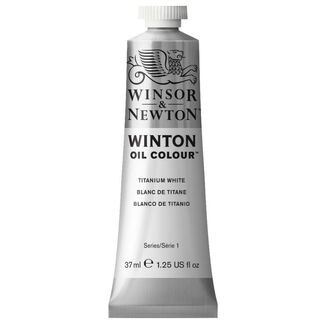
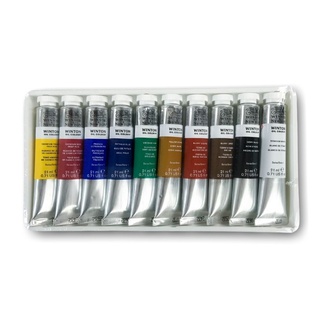
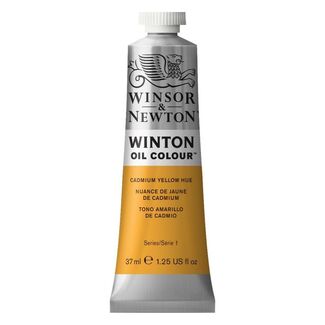
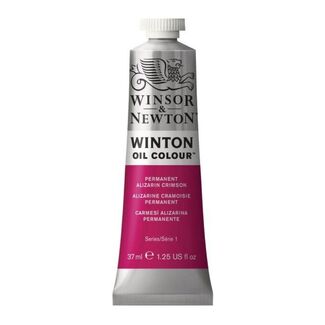
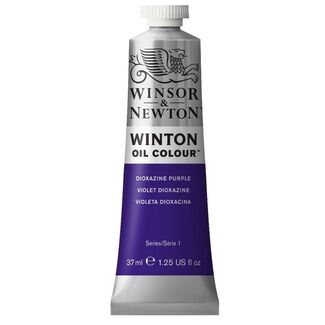
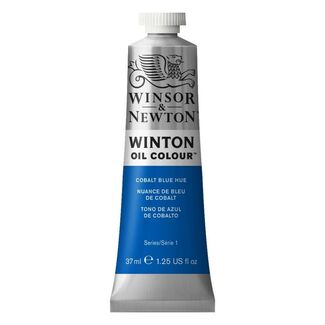
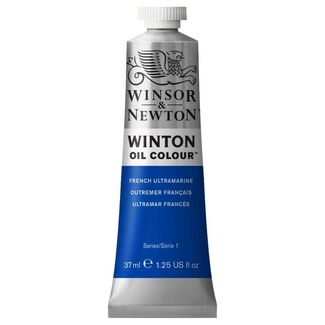
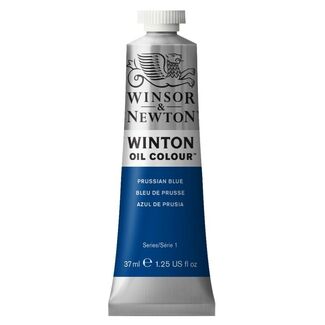
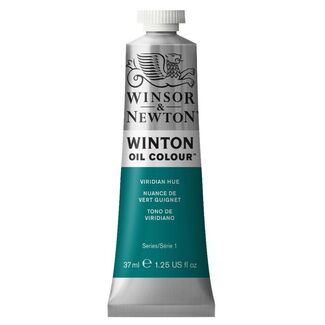
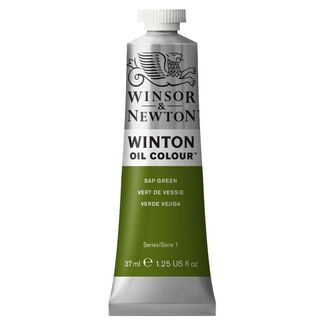
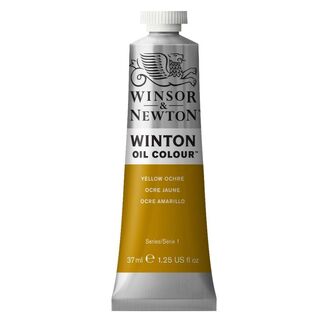
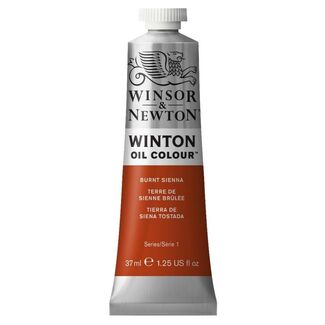
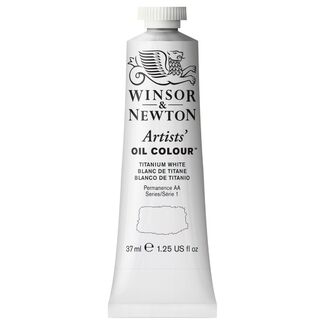
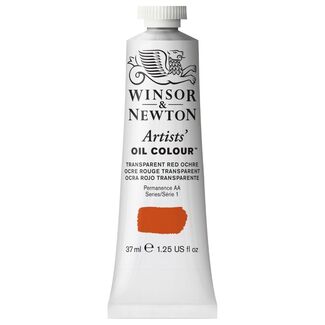
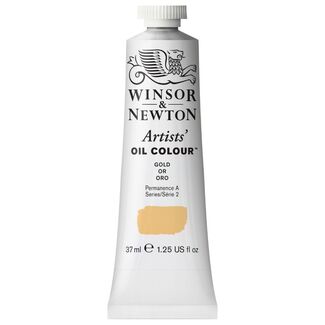
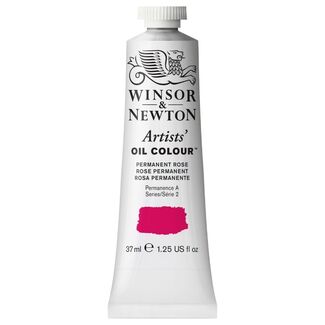
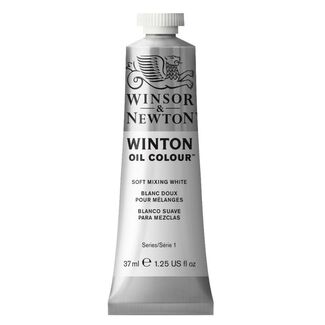
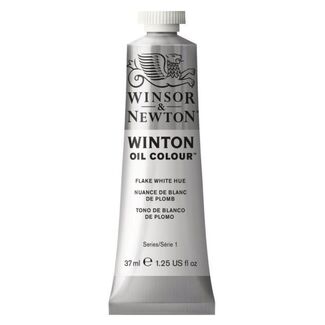
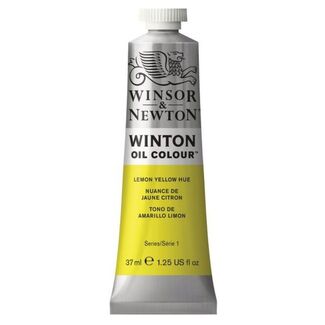
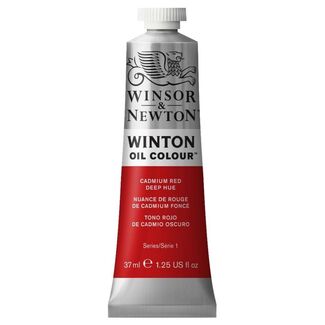
Oil paint rewards patience, and Winsor & Newton has been making the case for that patience since 1832, when chemist William Winsor and artist Henry Newton set up shop in London to build paints good enough for the artists of their day to actually rely on. Two centuries on, the same company still makes some of the most widely used oil paint in the world, and Art Shed stocks a curated range across their core lines.
The first decision most customers need to make isn't about colour, it's about which range. Winsor & Newton sells oil paint at two main quality tiers, and the difference is pigment load, not a marketing distinction.
What's the difference between Winton and Artists' Oil Colour?
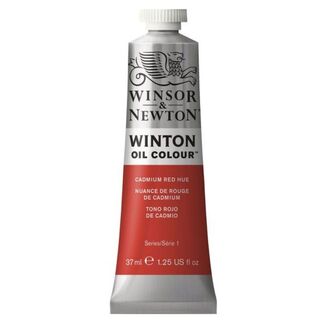
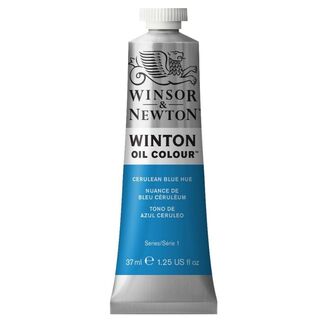
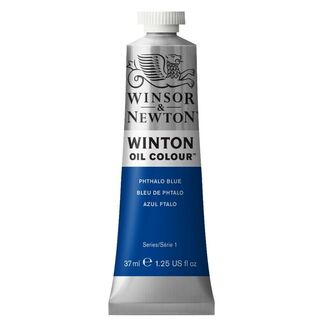
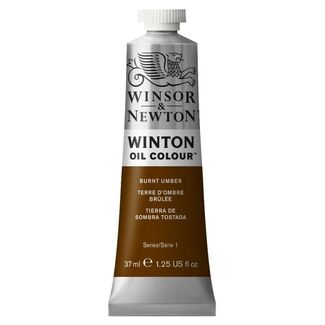
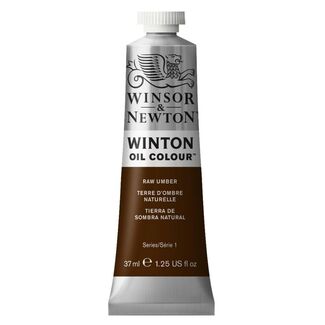
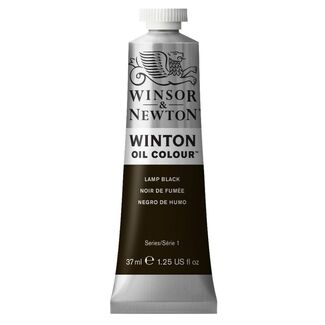
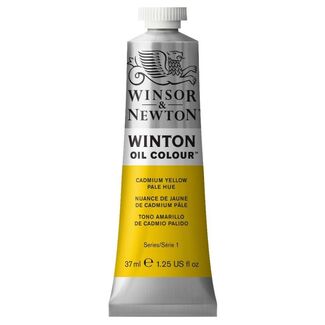
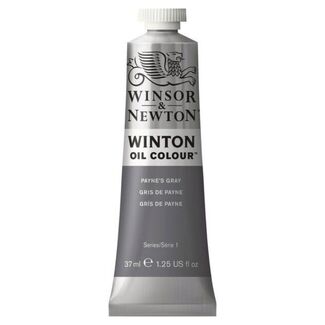
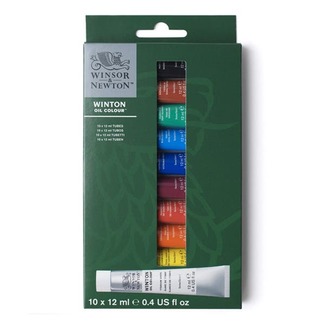
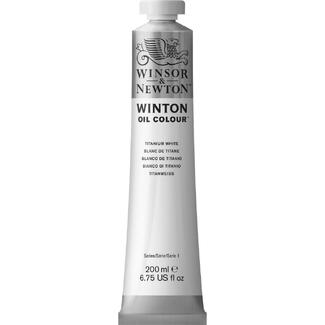
Winton Oil Colour is the student-grade range: 55 colours, good tinting strength, and a thick, uniform consistency that's easy to control. It costs less because it carries a lower pigment concentration, which is a genuine trade-off rather than a hidden downgrade, Winton still uses lightfast pigments and performs consistently, it just won't push colour as intensely per stroke as the professional range. Artists' Oil Colour is the professional tier: higher pigment concentration, greater tinting strength, and a wider colour range built for painters who need maximum colour intensity and the ability to mix subtle variations without the paint running thin on pigment. For large-scale work, underpainting, or a first serious attempt at oils, Winton is a sensible starting point. For finished gallery work where colour brilliance matters at every stage, Artists' Oil Colour is where most experienced painters end up.
Why does oil paint take so long to dry, and does that matter?
Oil paint dries by oxidation, not evaporation, which is the whole reason it behaves differently to acrylic. A thin layer will typically feel touch-dry within a few days; a thick, impasto application can take weeks, and full curing through the entire paint film can take considerably longer. This isn't a flaw to work around, it's the property that makes oil paint good at what it does. Slow drying gives you time to blend colours directly on the canvas, soften edges, and rework an area hours or even days after you first laid it down, which is difficult to achieve with any fast-drying medium.
The one habit worth building early is painting "fat over lean", each new layer should contain slightly more oil than the layer beneath it. Painting a lean layer over a fat one can cause the top layer to crack as it cures, since the layers dry and shrink at different rates. It sounds technical the first time you hear it, and it becomes automatic within a few paintings.
Working with mediums and canvas preparation
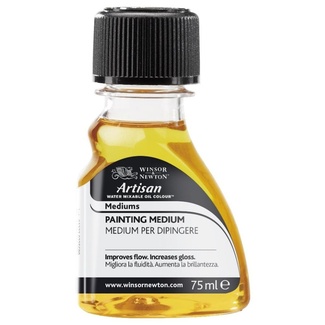
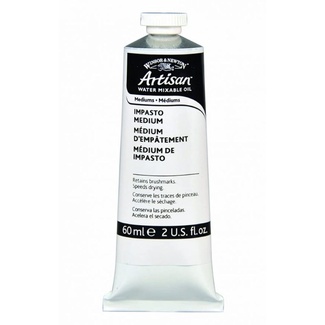
Winsor & Newton oil paint can be used straight from the tube, but most painters eventually reach for a medium to adjust flow or drying time. A properly primed canvas matters here too, oil paint applied directly to unprimed cotton duck will, over time, degrade the fibres, so a canvas primed with acrylic gesso or an oil-specific ground is worth checking before you start, particularly for work you want to last.
Frequently asked questions
Are Winsor & Newton oil paints suitable for beginners?
Yes, particularly the Winton range, which is formulated for accessible pricing without giving up lightfastness or working properties. Many painters start on Winton and either stay there for large-scale work or move to Artists' Oil Colour as their technique and budget develop.
What surfaces work best for oil painting?
Primed canvas is the standard surface, along with canvas board and properly prepared wood panels. Oil paint should not be applied directly to unprimed fabric or absorbent surfaces, since the oil binder can degrade natural fibres over time without a barrier layer of gesso or ground.
What mediums can I use with Winsor & Newton oil paints?
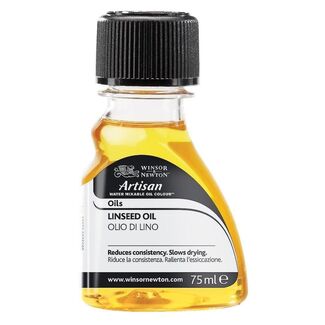
Linseed oil is the traditional choice for increasing flow and gloss, while a fast-drying medium such as Liquin can shorten working time for painters who don't want to wait weeks between layers. Turpentine or an odourless solvent is typically used for initial thinning and brush cleaning rather than as a painting medium in its own right.
How many Winsor & Newton oil products does Art Shed stock?
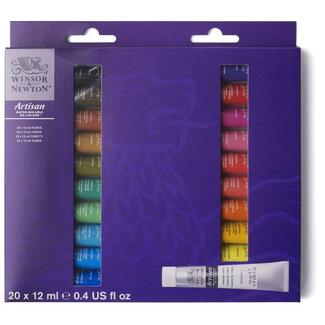
Art Shed stocks 160 Winsor & Newton oil products, spanning the Winton and Artists' Oil Colour ranges along with supporting mediums.
Do Winsor & Newton oil paints need to be varnished once finished?
Once a painting has fully cured, which can take several months depending on thickness, a removable varnish protects the surface and evens out sheen across the piece. Varnishing too early, before the paint has properly cured, can trap solvents and cause long-term issues with the paint film.
Still deciding between Winton and Artists' Oil Colour, or unsure what medium suits your painting style? Pop into our Moorabbin store or send us a photo of your current setup, our in-store artists can help narrow it down before you buy.