





Lino Carving Tools for Printmakers Who Want Control, Not Chaos
Lino carving is one of those art forms that looks simple until you try it. Clean lines, bold shapes, crisp prints. All of that starts with the right linoleum carving tools in your hand. At Art Shed, we stock a curated range of lino carving tools designed for smooth cutting, precision control, and long carving sessions that don’t destroy your wrists or your patience.
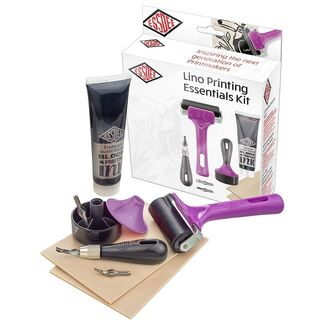
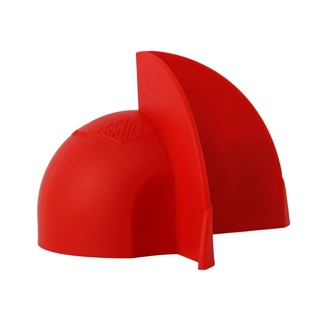
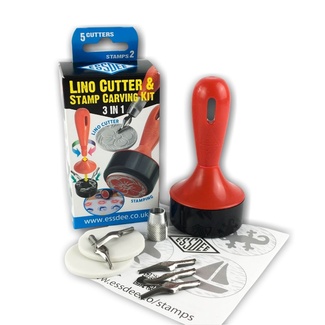
Our range includes individual replacement blades, ergonomic handles, lino cutting and printing sets, and safety accessories like the Essdee Block Printing Hand Safety Guard. Whether you’re carving your very first lino tile or refining multi-layer prints, you’ll find tools that are sharp, reliable, and made to last. We stock trusted printmaking brands like Mont Marte and Essdee, chosen for their durability, blade quality, and beginner-friendly systems.
This is gear that works with you, not against you. Less tearing, less slipping, more clean lines and confidence as you carve.
Choosing the Right Blades and Handles for Lino Carving
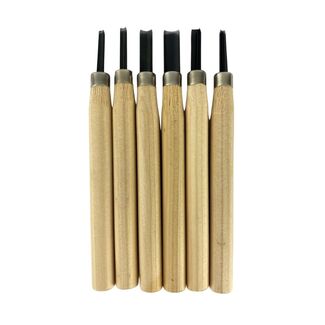
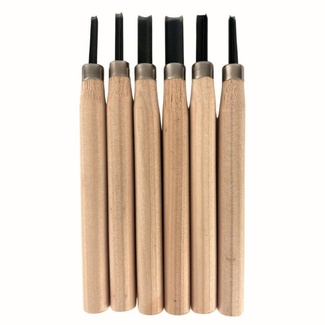
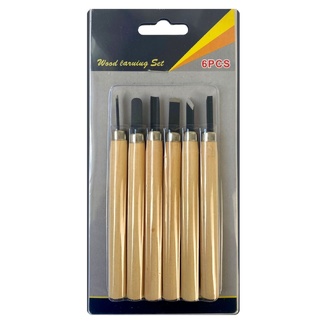
Different lino carving blades exist for a reason. Each one creates a different line quality and carving experience, and understanding this early makes a massive difference to your results.
V-gouge blades are your go-to for fine lines, sharp angles, and detailed mark-making. They cut narrow channels and are ideal for intricate designs, lettering, and line-based illustrations. If your work leans graphic or detailed, a V-gouge will get a workout.
U-gouge blades remove more material with each pass. They create wider, softer lines and are perfect for clearing larger areas, shaping forms, or carving backgrounds efficiently. Beginners often find U-gouges easier to control when starting out because the cuts are more forgiving.
Fine detail blades are designed for precision work where control matters most. These are ideal for tight corners, small textures, and delicate line variation where standard gouges feel too blunt.
Handle design matters just as much as the blade. Ergonomic handles reduce hand fatigue and improve control, especially during longer carving sessions. Interchangeable handle systems, commonly found in lino cutting and printing sets, allow you to switch blades without changing grip, which keeps your hand position consistent and comfortable as you work.
What Makes a High-Quality Lino Carving Tool?
A good lino tool should feel sharp, balanced, and predictable. The steel quality of the blade affects how long it stays sharp and how smoothly it cuts through linoleum without snagging or tearing. High-quality steel holds its edge longer and produces cleaner cuts with less pressure, which is safer and far less frustrating.
Grip ergonomics are often overlooked, but they matter. A comfortable handle improves control, reduces strain, and helps prevent slipping. This is especially important for beginners, where control and safety go hand in hand. Tools designed with printmakers in mind allow you to carve confidently without gripping too tightly.
Blade sharpness and longevity are key. A sharp blade requires less force, giving you better accuracy and reducing the risk of slips. Quality tools are also easier to maintain and sharpen, meaning they stay usable for years rather than becoming disposable.
Safety features are part of quality too. Accessories like the Essdee Block Printing Hand Safety Guard are designed to protect your non-cutting hand and encourage proper carving technique, especially for beginners or classroom use.
Frequently Asked Questions About Lino Carving Tools
Which lino carving tools are best for beginners?
Beginners usually do best with a small set that includes a comfortable handle and a mix of V-gouge and U-gouge blades. Lino cutting and printing sets are a great starting point because they offer versatility without overwhelming you with options. Adding a safety guard is strongly recommended while learning.
What’s the difference between V-gouge and U-gouge blades?
V-gouge blades create narrow, sharp lines and are ideal for detail work. U-gouge blades remove wider sections of lino and are better for clearing areas and creating softer shapes. Most printmakers use both in a single design.
Are interchangeable blade systems worth it?
Yes. Interchangeable systems save space, reduce cost over time, and keep your grip consistent while switching blades. They’re especially useful if you carve regularly or work on detailed prints.
How do I safely maintain and sharpen lino carving tools?
Always store blades with covers or in a case. Clean off lino residue after use and sharpen blades as needed using appropriate sharpening stones or systems. Work slowly, cut away from your hand, and use a safety guard to reduce risk.
Resources, Guides & How-Tos
Ready to level up your skills?
Dive into our blogs, guides and tutorials packed with practical tips and creative inspiration.