





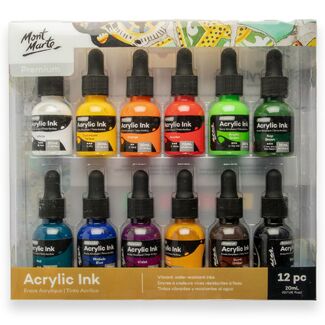
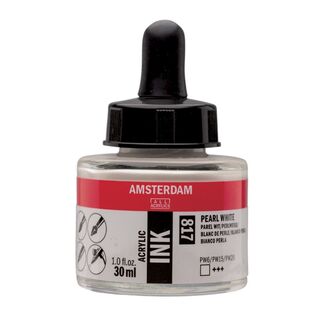
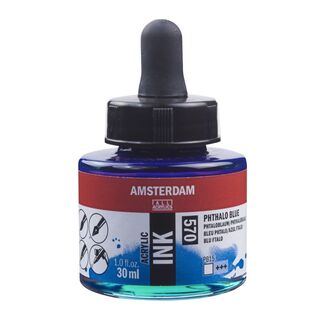
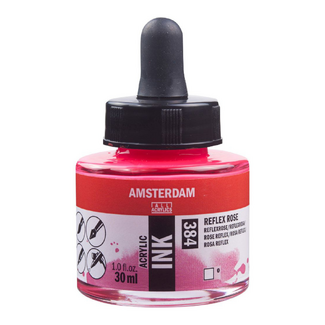
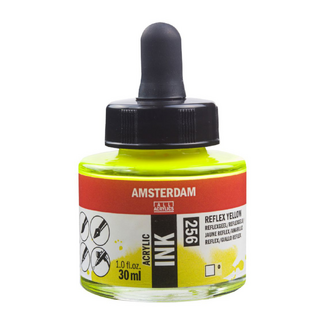
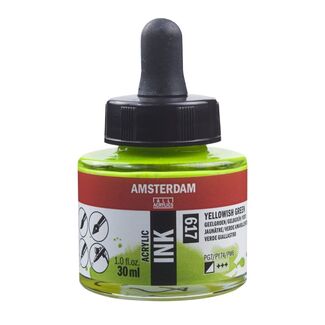
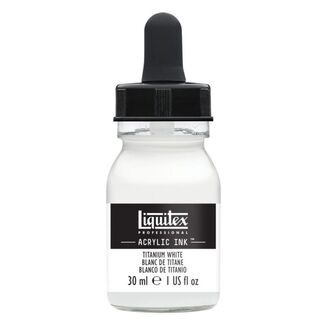
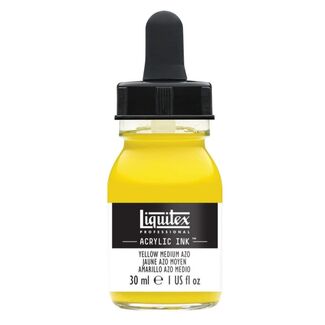
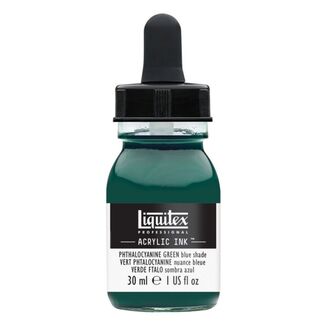
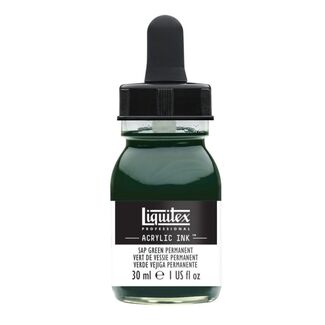
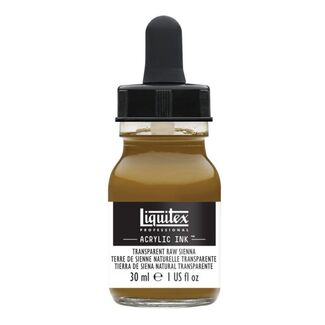
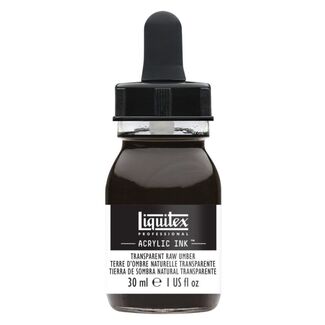
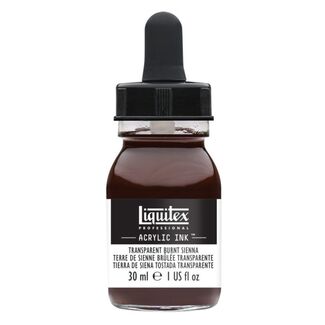
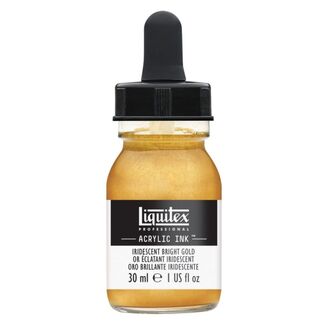
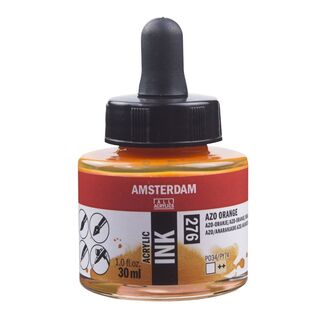
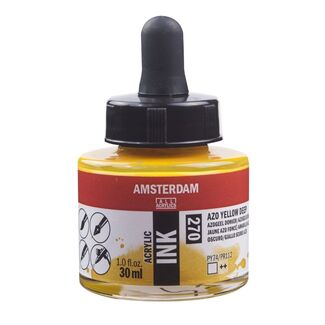
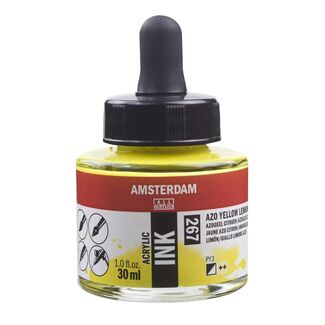
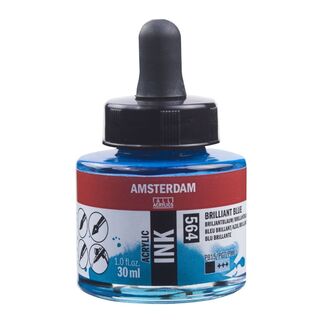
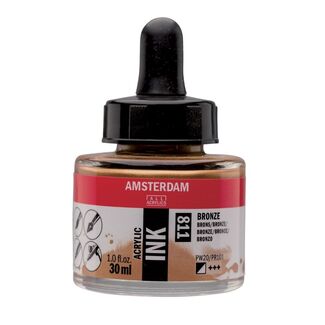
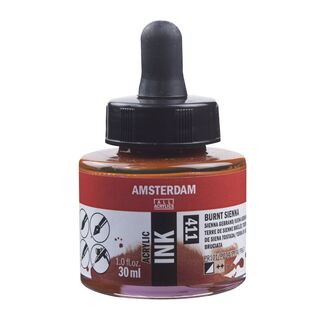
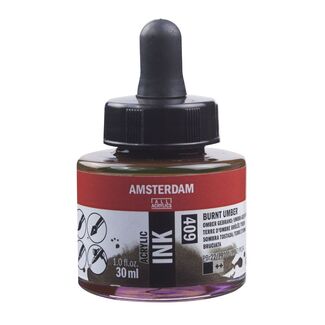
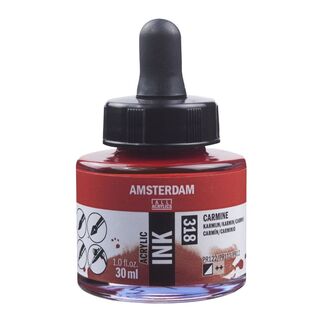
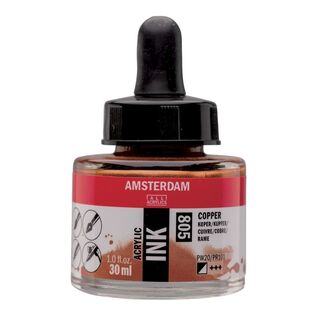
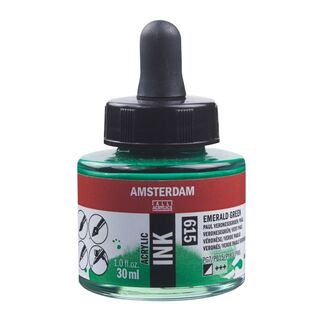
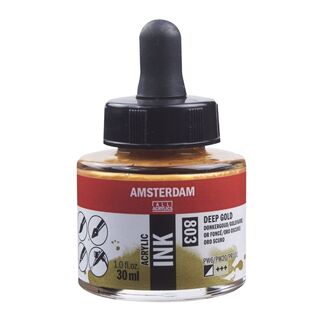
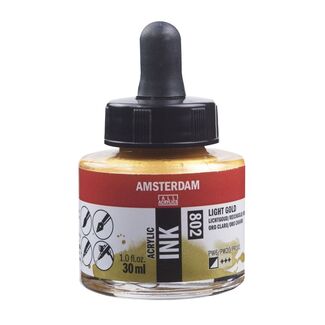
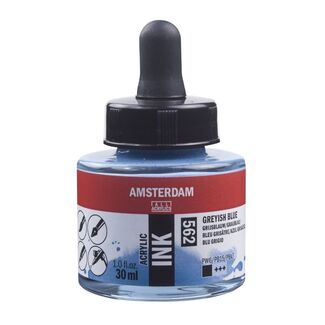
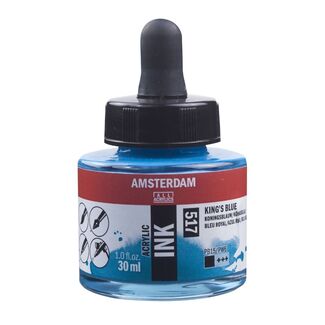
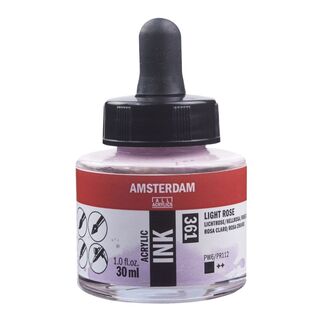
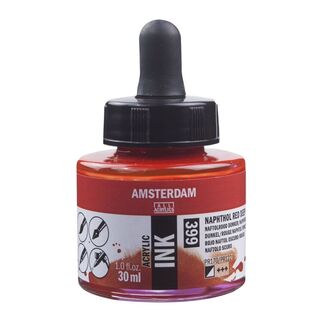
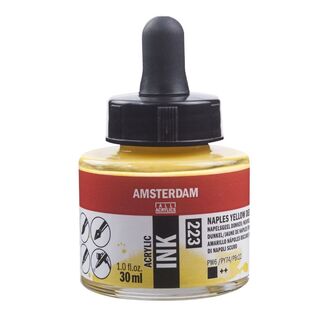
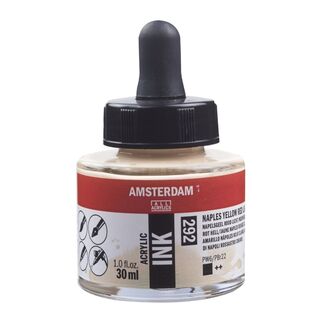
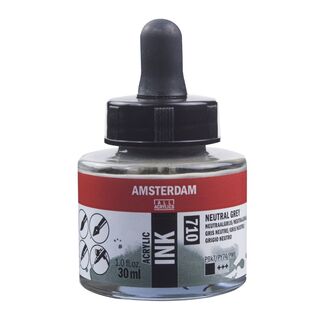
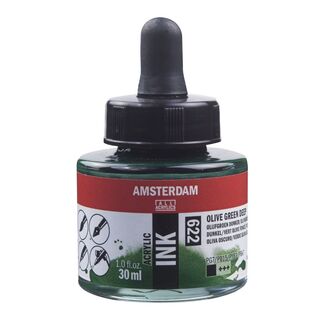
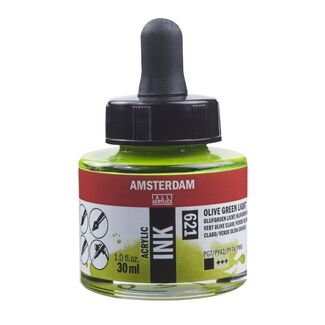
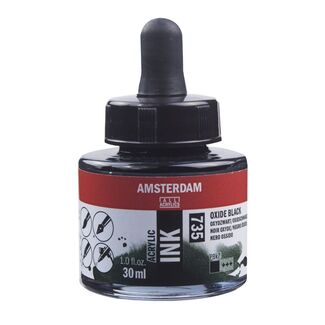
Acrylic inks combine the brilliance of high-pigment acrylic paint with an ultra-fluid consistency, creating a medium that flows effortlessly while delivering powerful, permanent colour. Loved by fine artists, illustrators, and mixed-media creators, acrylic inks allow for everything from delicate line work to bold layered washes with exceptional clarity and depth.
Art Shed’s collection of acrylic inks features professional-grade ranges from trusted brands including Mont Marte, Liquitex, and Amsterdam. With intensely saturated pigment, fast drying times, and velvety smooth flow, these inks are ideal for precision work, expressive layering, and long-lasting artworks across a wide range of surfaces.
Whether you’re working with brushes, pens, droppers, or fluid techniques, acrylic inks offer control, vibrancy, and archival durability in every layer.
The Benefits of Using Ultra-Fluid Acrylic Inks
What sets acrylic inks apart is their high pigment load combined with an ultra-thin consistency. Unlike watered-down paint, acrylic inks are formulated to stay intensely coloured even when diluted, meaning you can create transparent washes, soft gradients, and layered effects without losing vibrancy.
Their smooth flow makes them ideal for precision-based techniques. Artists commonly use acrylic inks in technical pens for fine line illustration, calligraphy, and detailed pattern work where consistency is essential. They’re also perfectly suited to airbrushing, allowing colour to mist evenly without clogging while maintaining strong saturation.
Because they dry quickly, acrylic inks support rapid layering. You can build depth by applying multiple translucent layers, creating rich tonal variation and glowing colour transitions without disturbing previous work.
They perform beautifully on paper, canvas, wood panels, Yupo, fabric, and mixed-media surfaces, making them one of the most versatile colour mediums available.
Acrylic Inks vs. Traditional Ink: Permanence and Lightfastness
While traditional drawing inks are often dye-based, acrylic inks are pigment-based and bound with acrylic resin, giving them far greater durability and archival quality.
Once fully dry, acrylic inks become permanent and water-resistant, meaning they won’t smudge, bleed, or reactivate with moisture. This makes them ideal for layered work, mixed media, and finished pieces that need long-term stability.
They’re also formulated for strong lightfastness, so colours remain vibrant over time rather than fading with exposure to light. This is especially important for professional artwork, illustration, and gallery-ready pieces.
In practical terms, acrylic inks behave more like fluid acrylic paint than traditional ink, offering the intensity and flow of ink with the permanence and strength of acrylic.
For artists who care about longevity, colour integrity, and durability, acrylic inks are the clear professional choice.
Essential Mediums and Tools for Working with Acrylic Inks
Acrylic inks really shine when paired with the right tools, helping you control flow, build layers, and create movement without losing colour intensity.
Flow improvers and acrylic mediums can be added in small amounts to slow drying slightly, smooth washes, and extend workability while keeping colours vibrant.
Droppers, pipettes, and squeeze bottles allow precise application of ink, making it easier to place colour exactly where you want it, build delicate layers, or create controlled drips and abstract effects.
Palettes and mixing trays (glass, ceramic, or well palettes) keep inks workable without soaking in, making colour testing and blending far easier.
Tip: Test blends on scrap paper first to see how they flow before committing to your artwork.
Handheld air tools or puffers gently push wet ink across the surface, creating soft movement, organic blooms, and flowing transitions without splatter.
Technical pens and dip nibs are perfect for fine line work, calligraphy, and detail where acrylic ink’s fluid consistency really excels.
Varnishes and sealers protect finished pieces, enhance colour depth, and provide a professional matte or gloss finish once fully dry.
Together, these tools turn acrylic inks into a highly versatile medium for both precision and expressive work.
Frequently Asked Questions About Acrylic Inks
Can acrylic inks be used for calligraphy or fountain pens?
They’re excellent for dip pens and technical pens. Fountain pens can clog due to pigment content unless specifically designed for acrylic ink use.
How does acrylic ink differ from fluid acrylic paint?
Acrylic inks are thinner and more concentrated in pigment, flowing more like water while maintaining strong colour intensity. Fluid acrylics are thicker and behave more like traditional paint.
Are acrylic inks waterproof once fully dry?
Yes. Once cured, acrylic inks become permanent and water-resistant.
Which surface is best for acrylic ink layering?
Acrylic inks work beautifully on heavyweight paper, canvas, Yupo, wood panels, and mixed-media boards. Non-porous surfaces allow more flow, while absorbent surfaces create softer effects.