





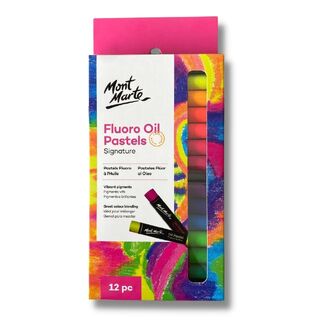
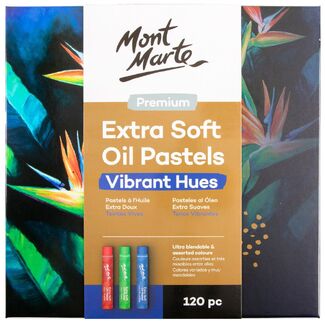
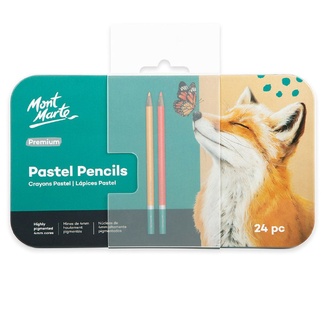
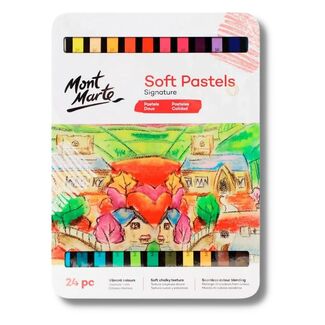
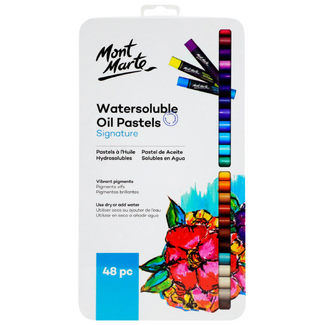
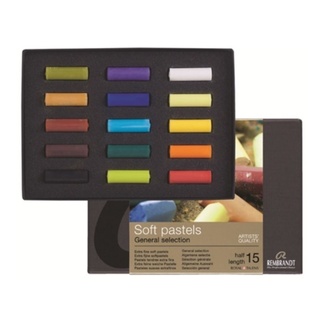
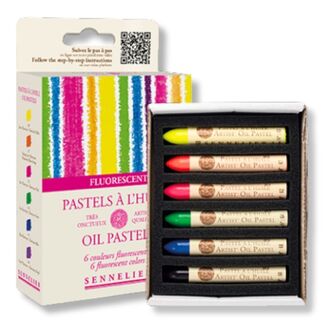
Few art materials have the ability to put colour quite so directly into an artist’s hands as pastels do. Art Shed’s extensive collection brings together vibrant, tactile options for everything from loose, painterly landscapes to precise portraits and detailed studies. With renowned brands including Sennelier, Faber-Castell and Mont Marte, our range has something for beginners, casual practitioners and experienced artists alike.
Choose individual sticks when you want to build a personalised palette, or pick up a curated set for a convenient selection of complementary colours. Whether you prefer sweeping blends or crisp marks, pastels make it easy to draw, shade and layer with plenty of expressive character.
Soft, Oil, or Hard Pastels — Which is Right for You?
Choosing the right pastel is a little like making a new friend. Not all pastels act the same way, and not all pastels complement every artist, so finding the one that meshes with you best is important, and really just depends on who you are as an artist.
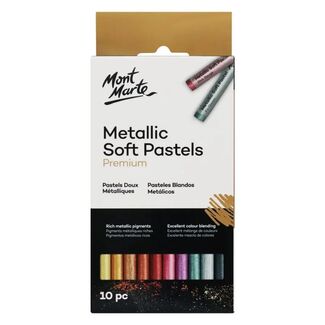
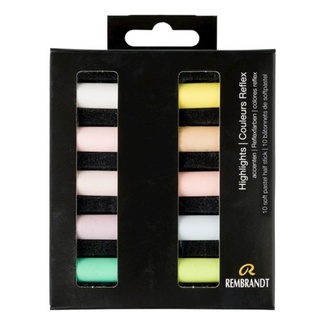
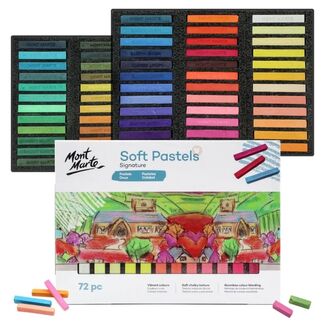
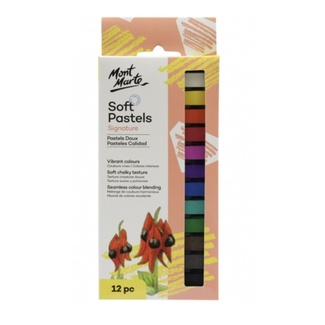
Soft pastels contain a high proportion of pigment with relatively little binder, giving them their characteristic velvety texture and intense colour. They glide across textured paper and blend easily, making them particularly popular for expressive landscapes, portraits and painterly work. Their soft consistency also makes it simple to build layers and atmospheric colour.
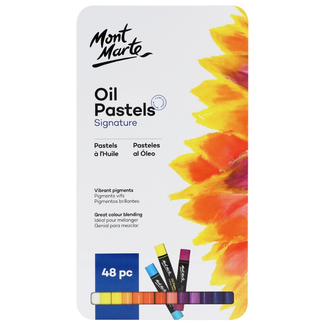
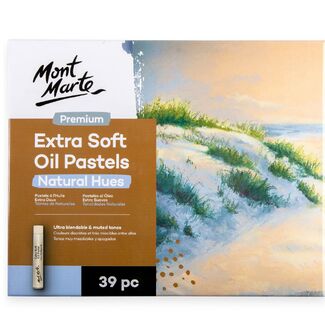
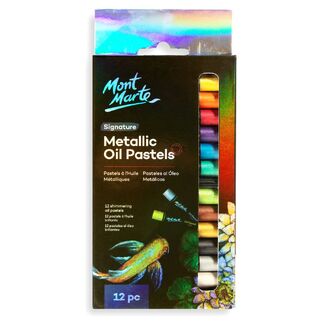
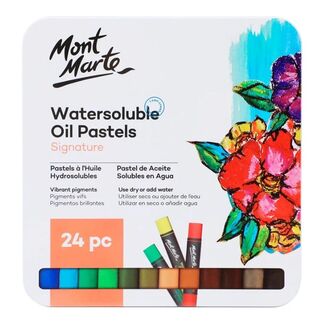
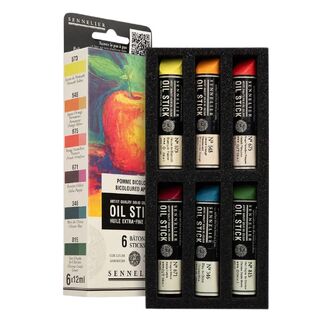
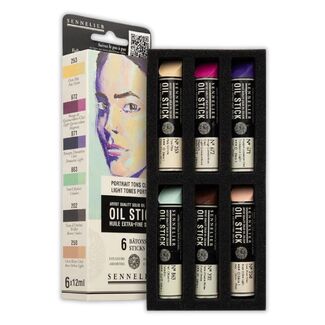
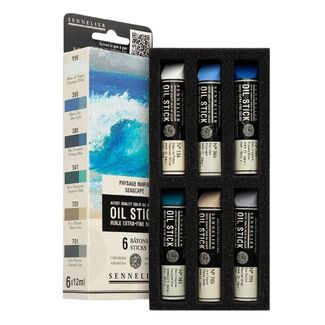
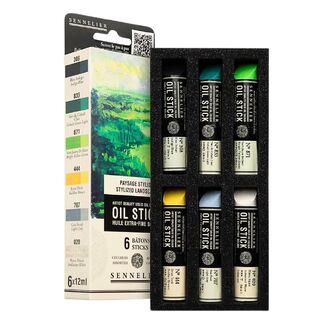
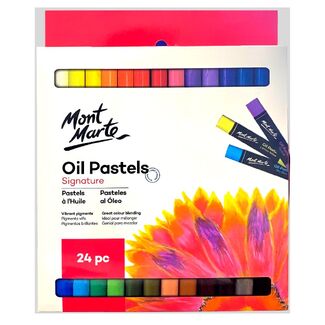
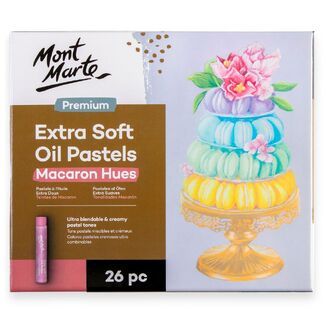
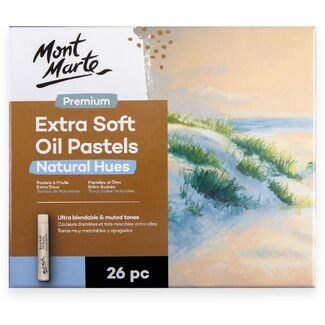
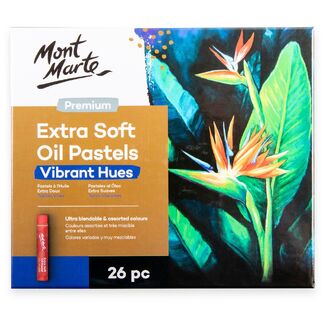
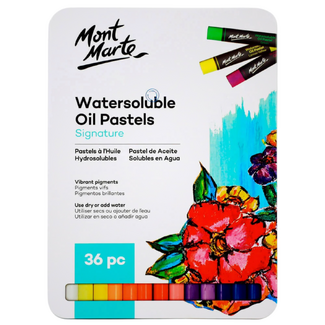
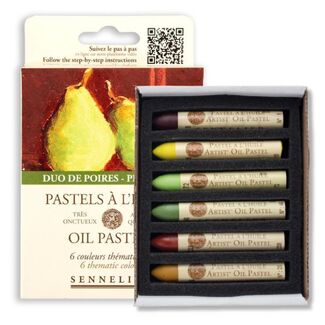
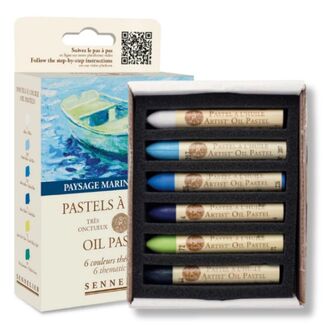
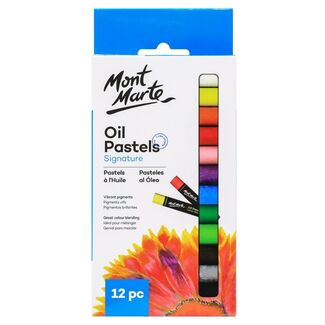
Oil pastels use an oil and wax-based binder, creating a creamy, buttery consistency with strong, vibrant colour. They are more stable than soft pastels and do not produce the same loose dust. Oil pastels can also be manipulated with suitable solvents for painterly effects, making them versatile for artists who enjoy working directly with colour.
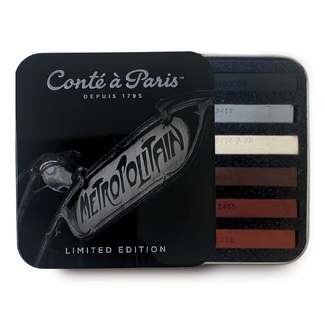
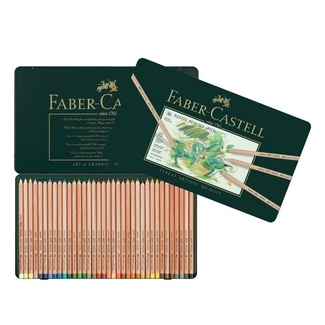
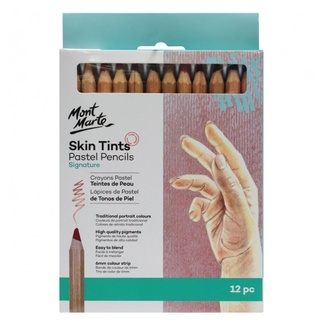
Hard pastels and pastel pencils provide greater control. Their firmer texture makes them useful for fine details, sharp edges, outlines and preliminary sketches. They are especially handy when a drawing requires precision alongside softer blended passages.
Master the Art of Blending and Layering
The surface you choose can also make a dramatic difference to your pastel work. Pastel pigment needs tooth, or texture, to grip the surface. A smooth sheet may struggle to hold multiple layers, while textured pastel paper provides tiny valleys where pigment can settle.
Experiment with specialised pastel paper, including toned or sanded surfaces. A darker or coloured ground can make lighter pastel marks stand out beautifully.
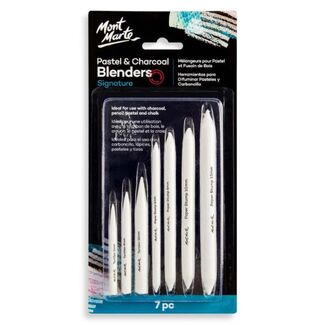
Blending can be as hands-on as the medium itself. Fingers are useful for broad areas, while tortillons and other blending tools provide greater control. A chamois can also help create smooth transitions or lift pigment from the surface.
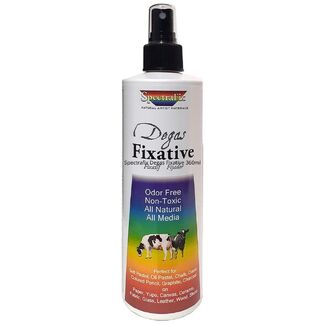
Once your artwork is complete, browse ArtShed for a suitable fixative that can help protect the layers from movement and smudging. For particularly valuable finished work, framing behind glass is what you’ll need to provide additional protection.
Frequently Asked Questions
What is the main difference between oil pastels and soft pastels?
Soft pastels are dry, chalk-based and highly blendable, producing a characteristic matte finish. Oil pastels use an oil and wax binder for a creamy consistency and a more durable, less dusty finish.
Do I need special paper for pastel drawing?
Yes. Pastel paper with a noticeable tooth is designed to hold pigment and support multiple layers.
How do I stop my pastel drawing from smudging?
Use a suitable professional fixative spray, available in workable and final formulations, and consider framing finished artwork under glass.
Are pastels suitable for beginners?
Absolutely. Pastels require very little setup compared with paint and offer an immediate, intuitive way to start creating. For detailed work, explore pastel pencils and discover how far this wonderfully tactile medium can take your art.