

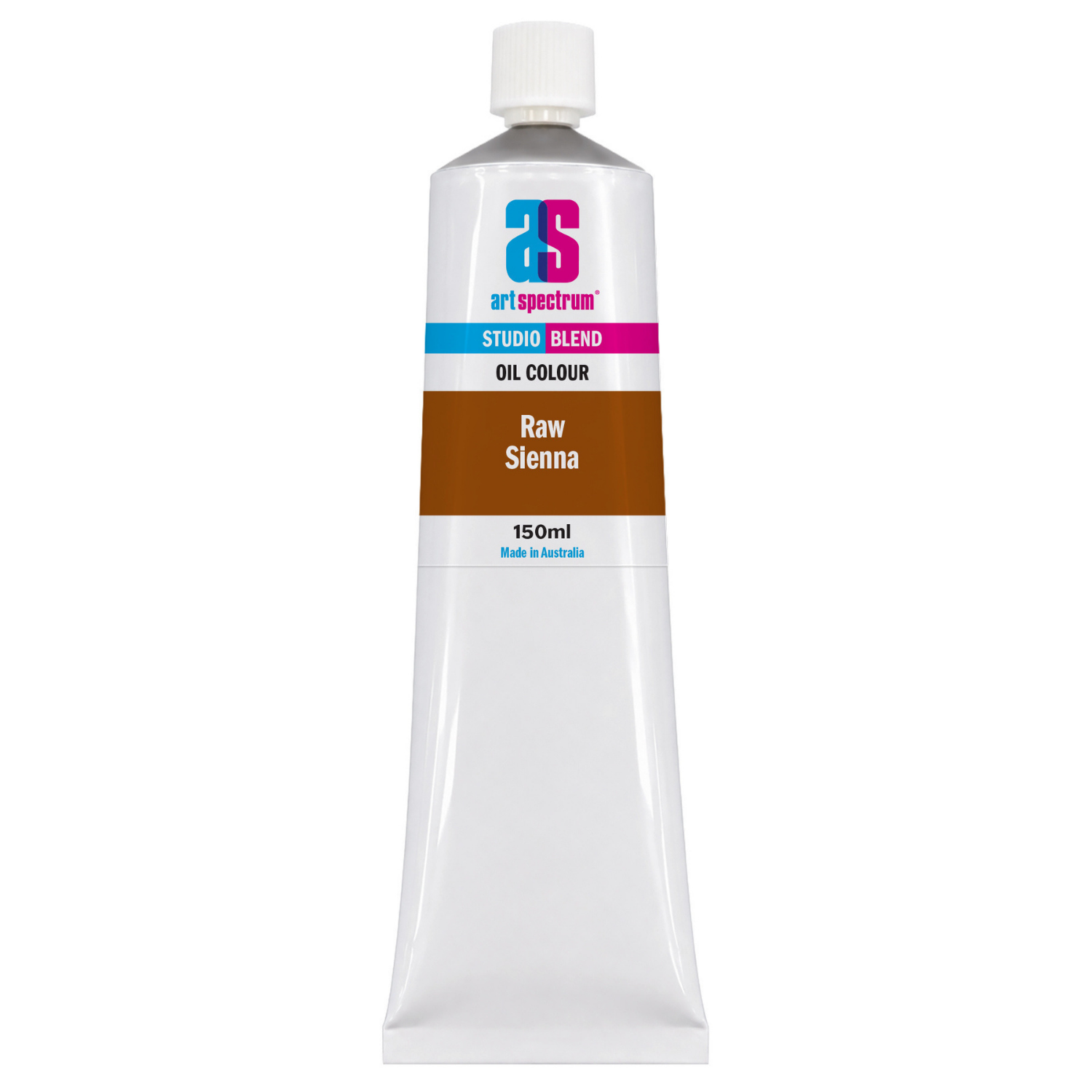
Art Spectrum Studio Blend Oil 150ml Raw Sienna
Our everyday low price
or 4 interest-free installments of $9.99 with

Own it now, pay later

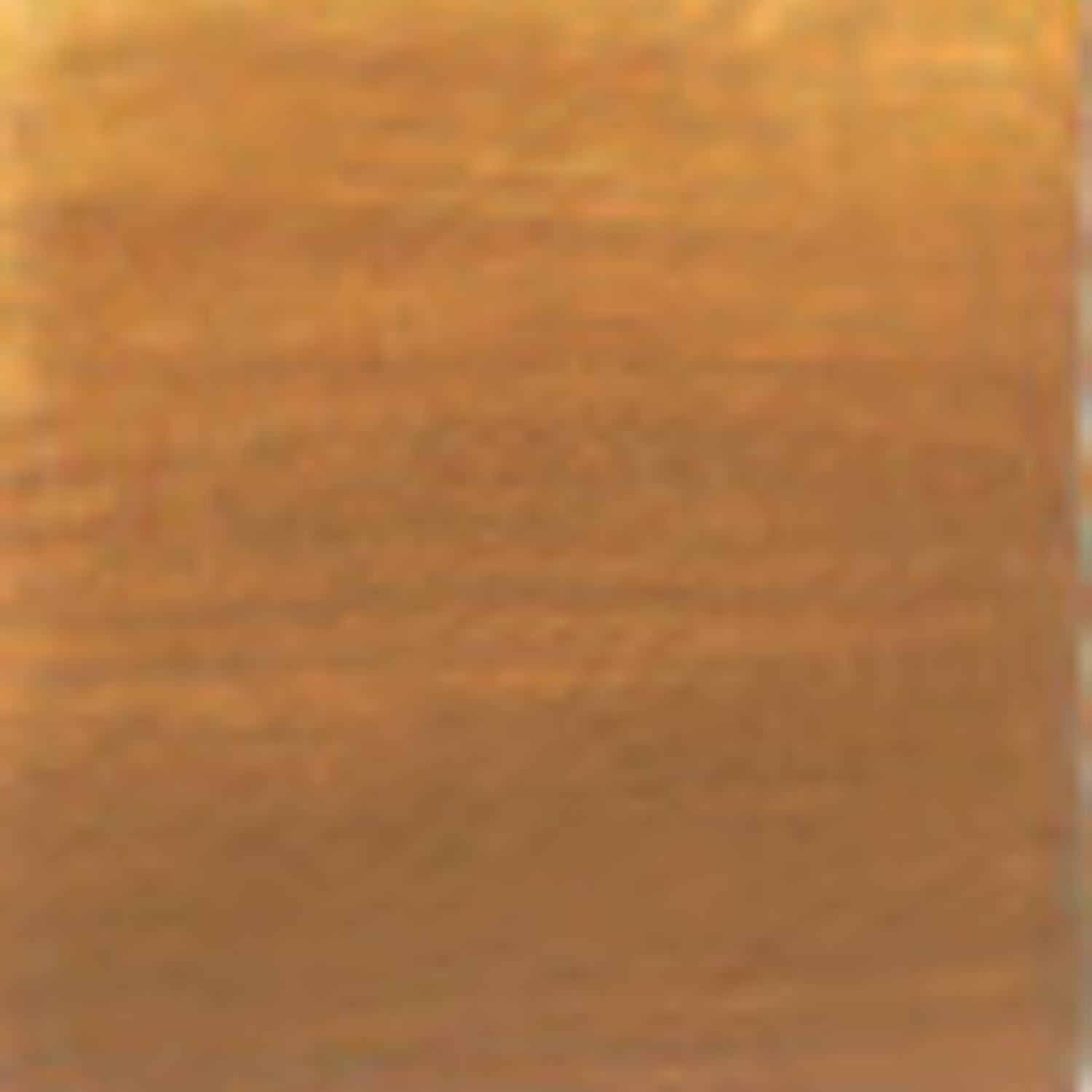
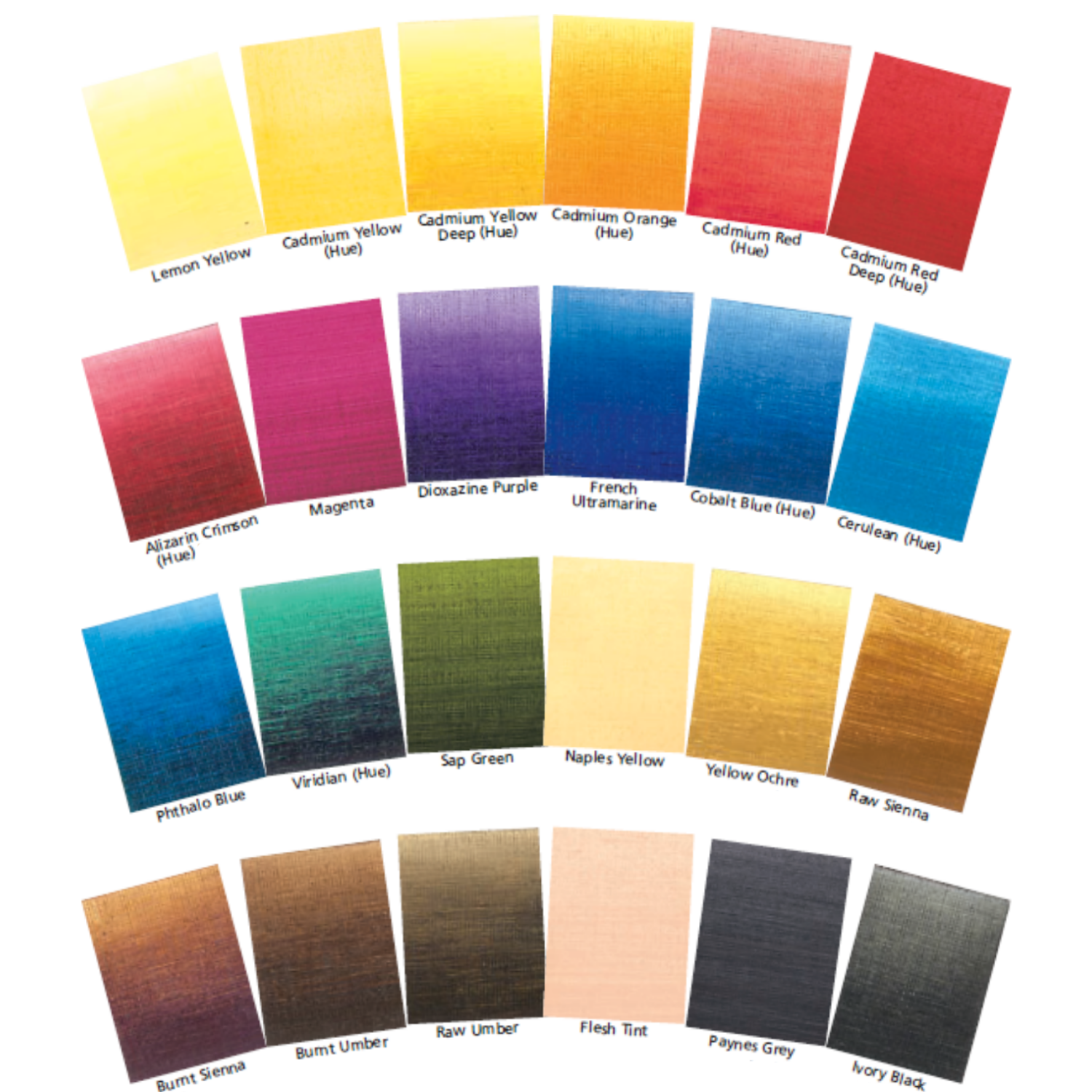
Raw Sienna is the lightest and warmest of the earth colours: a luminous, golden amber-brown that bridges the gap between Yellow Ochre and Burnt Sienna on the warm earth spectrum. Named after the city of Siena in Italy, where the natural iron oxide earths were historically mined, it is one of the oldest pigments in continuous use, appearing in cave paintings tens of thousands of years ago. Art Spectrum Studio Blend Oil Raw Sienna uses PBr7 (natural iron oxide) to deliver this warm golden tone in a semi-transparent oil paint that excels in glazing, underpainting, and any passage requiring rich warm amber light that earth yellows and ochres cannot quite reach.
What Makes This Colour Special
Raw Sienna sits between Yellow Ochre (darker, more orange-brown, fully opaque) and Cadmium Yellow Hue (lighter, more saturated, fully opaque) in the warm yellow-brown range. Its particular distinction is the combination of warm golden tone with genuine semi-transparency, which Yellow Ochre does not share. This transparency is what makes Raw Sienna so useful for glazing: applied over a lighter, more neutral passage, it immediately reads as warm, golden light falling across the surface rather than as a flat layer of brown paint. The luminosity of earth pigment in semi-transparent oil application is one of the oldest techniques in painting and remains one of the most effective.
In Australian landscape painting, Raw Sienna addresses the specific colour of iron-rich geology throughout the continent. The warm amber-golden tones of Uluru and the Olgas at mid-afternoon, the iron-stained sandstone of the Grampians and Blue Mountains, the golden tint of dry coastal banksia scrub, and the amber-brown of exposed subsoil across inland Australia all sit in Raw Sienna's register. The colour mixes cleanly with Burnt Sienna for deeper orange-red tones and with Yellow Ochre for the driest, most ochre-toned passages, giving a full range of warm iron-oxide terrain tones from a small group of compatible colours.
Why Art Spectrum Studio Blend Oil Belongs on Your Palette
- The transparent warm glaze. Raw Sienna is one of the few earth colours transparent enough to use as a genuine glazing colour. It warms and enriches underlying tones without covering them, creating luminous golden passages that direct painting cannot achieve.
- Essential for Australian geology. The warm iron-oxide tones of Australian rock, soil, and terrain are Raw Sienna's natural territory. No other single colour covers this range as efficiently.
- ASTM I lightfastness. Iron oxide earth pigments are among the most stable materials known to art. This colour will not change under any normal conditions of storage or display.
- Mixes cleanly with everything. Earth colours are chemically inert and mix cleanly with every other pigment on the palette. Raw Sienna will not create unexpected colour reactions or muddy results with any other oil colour.
- Australian-made since 1966. Art Spectrum has produced artists' materials from their Epping, Victoria facility for over six decades.
Getting the Most Out of This Tube
For warm glazing, thin Raw Sienna considerably with a medium (linseed oil, Liquin, or a drying medium) until it is almost transparent. Apply over a dry, light-valued underpainting in the area to be warmed. Allow each glaze to dry before adding the next. The warmth builds gradually with each layer and can be stopped at any point. This technique is particularly effective for aged timber, rust-stained stone, and autumn foliage over a green or yellow-green underpainting.
As a direct painting colour, Raw Sienna reads well for golden-hour and late-afternoon Australian landscapes where the sun warms everything toward amber. Sunlit grasses in late afternoon are often Raw Sienna directly. Pale sandy soils and the lighter faces of ochre-toned rock can be mixed from Raw Sienna and Titanium White. Adding a small amount of Burnt Sienna to Raw Sienna moves toward the deeper orange-red of more heavily iron-stained surfaces.
For portrait work, Raw Sienna is useful in the warm mid-tones of olive and medium-dark complexions, and as a glazing colour to add warmth to passages that have dried too cool or too grey. A thin glaze of Raw Sienna over a cooled-off skin tone passage immediately brings it back toward warmth without disturbing the paint surface below.
About Art Spectrum Studio Blend Oil: Melbourne Made Since 1966
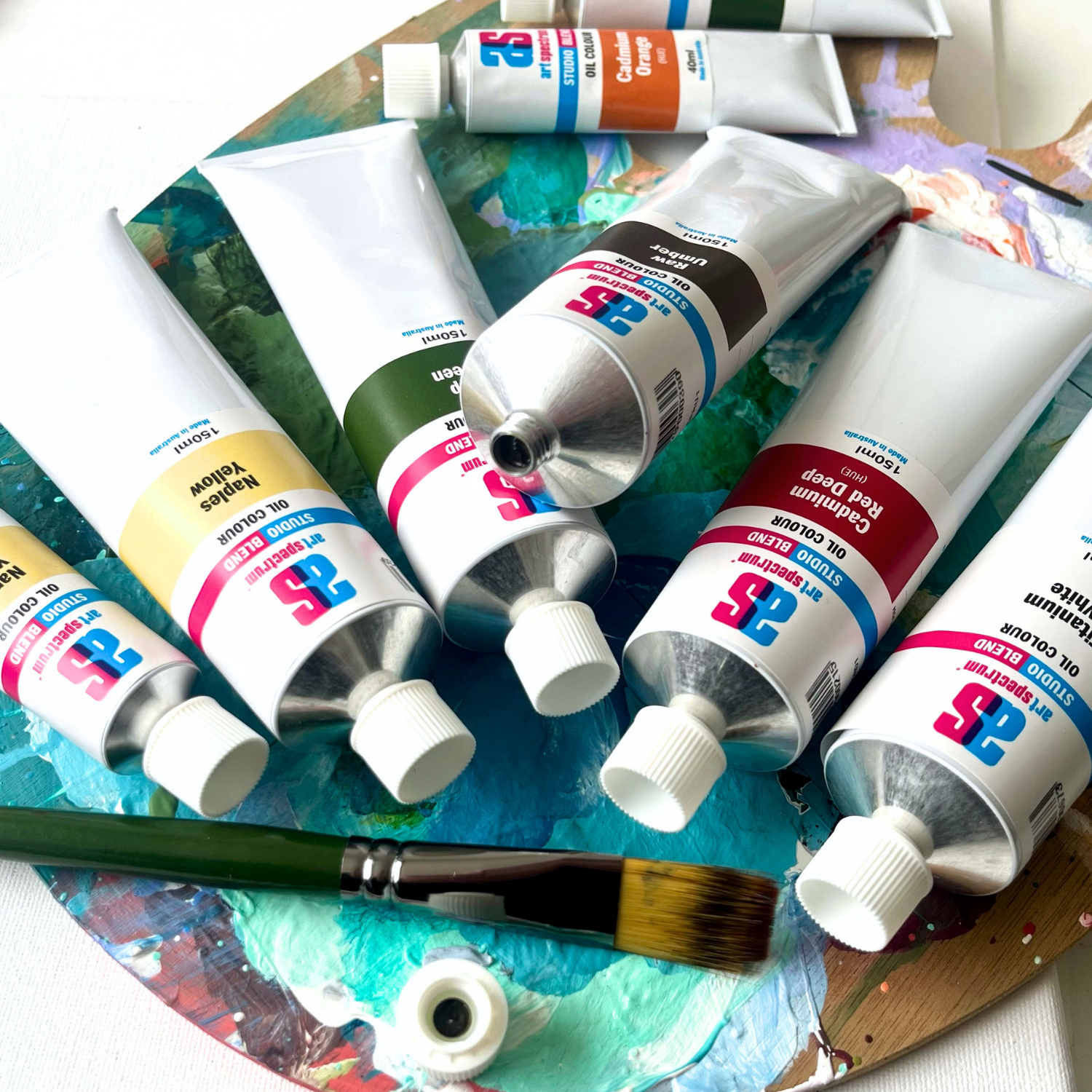
Art Spectrum has been manufacturing artists' materials in Epping, Victoria since 1966. The Studio Blend Oil range is the rebrand of the former Art Prism range, with fresh new packaging and artwork. The formula is unchanged: same pigments, same linseed oil base, same manufacturing standards. It is a studio-grade oil paint designed for working artists who want reliable, lightfast colour at a practical price. The 26-colour palette covers the complete mixing spectrum and is fully compatible with all Art Spectrum oil mediums and varnishes.
What is the difference between Raw Sienna and Burnt Sienna?
Raw Sienna is the natural, unheated form of iron oxide earth: golden-amber in colour, semi-transparent, and relatively light in value. Burnt Sienna is produced by calcining (heating) the same raw earth, which converts some of the iron oxide to a darker, redder form. Burnt Sienna is darker, more orange-red, and slightly more opaque than Raw Sienna. In practical terms: Raw Sienna is the golden glaze colour and lighter warm-earth tone; Burnt Sienna is the richer, warmer, more terracotta and autumn tone. Both are essential earth colours on most palettes, and they mix together cleanly to produce the full range of warm amber to red-earth tones.
Can Raw Sienna be used for underpainting?
Yes, though Raw Umber is more commonly used for this purpose because it dries faster. Raw Sienna can be used for a warm-toned underpainting where the warm golden tone of the earth colour is intended to influence the final colour of the painting through thin upper layers. Landscape painters often use a warm Raw Sienna or Yellow Ochre imprimatura (a thin toning wash over the ground) to eliminate the cold white of the canvas and establish a warm middle tone from which the composition can develop. Because Raw Sienna is semi-transparent, it works well for this thin-wash application.
Is Raw Sienna the same pigment as Yellow Ochre?
Both Raw Sienna and Yellow Ochre are iron oxide earth pigments (PBr7 and PY42/PY43 respectively) but they are different materials. Yellow Ochre (PY42 in the Art Spectrum range) is a fully opaque, yellow-brown tone with a more orange-yellow quality. Raw Sienna (PBr7) is a warmer, more golden-amber tone and crucially is semi-transparent where Yellow Ochre is not. The transparency is the defining practical difference: Raw Sienna glazes, Yellow Ochre does not. They are complementary rather than interchangeable.
How do I use Raw Sienna for Australian outback landscape?
Raw Sienna, Burnt Sienna, Yellow Ochre, and Burnt Umber together cover the majority of the warm iron-oxide terrain palette of inland Australia. Raw Sienna handles the golden-amber midday rock and soil tones; Burnt Sienna handles the deeper orange-red of heavily weathered iron-rich surfaces; Yellow Ochre handles the driest, most opaque ochre passages; and Burnt Umber handles the darkest shadow passages in warm-toned terrain. Mixed with Titanium White, Raw Sienna gives the pale, warm beige-cream of sandstone faces in bright light. Mixed with Ultramarine, it gives the warm, neutralised darks of deep shadow in iron-oxide country.
Is Art Spectrum Studio Blend Oil the same as Art Prism?
Yes. Art Spectrum Studio Blend Oil is the direct successor to the Art Prism range with new packaging and artwork only. The formula, pigments, and linseed oil base are unchanged. If you have used Art Prism Raw Sienna previously, this product is identical in colour and performance.
Art Shed Online is an authorised Australian stockist of Art Spectrum products. All Art Spectrum Studio Blend Oil colours are sourced through official distribution channels. We ship Australia-wide.
(APRS1)
| SKU | APRS1 |
| Barcode # | 9323926000314 |
| Brand | Art Spectrum |
| Shipping Weight | 0.0168kg |
| Shipping Width | 0.055m |
| Shipping Height | 0.040m |
| Shipping Length | 0.200m |
| Shipping Cubic | 0.000440000m3 |
More From This Category