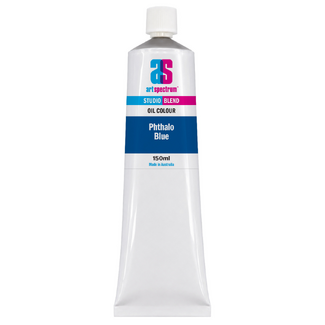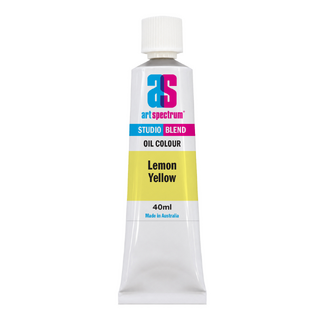


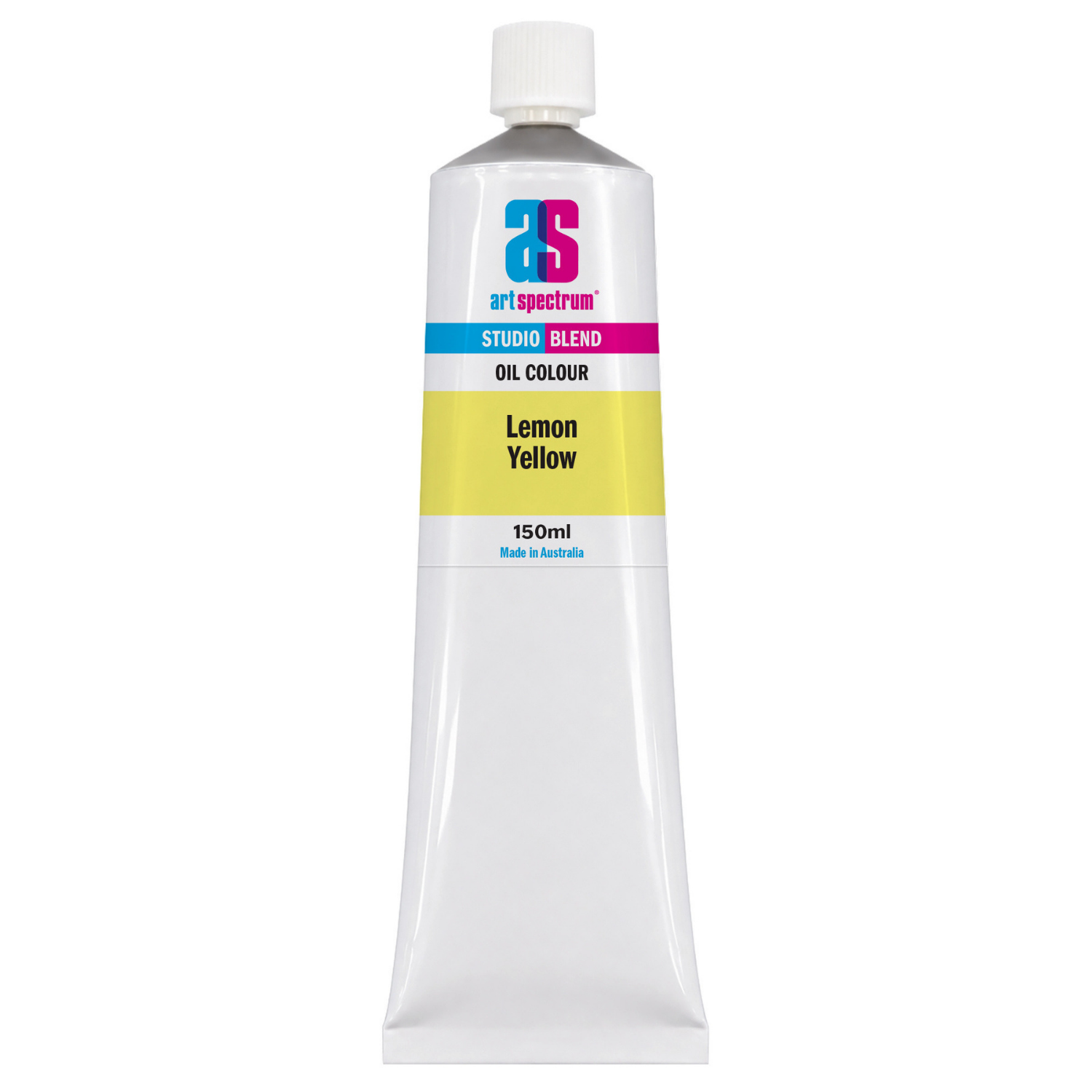
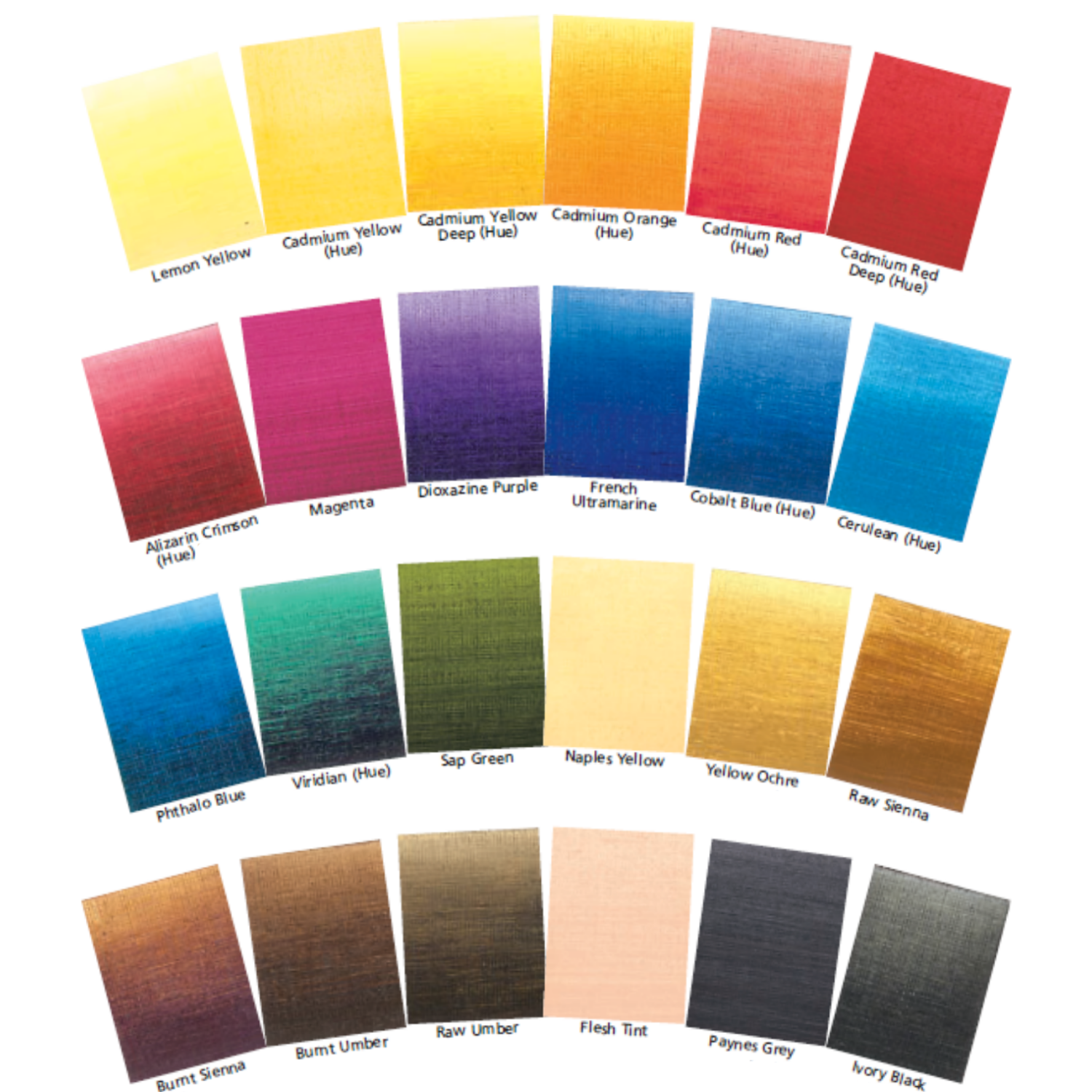
Art Spectrum Studio Blend Oil 150ml Lemon Yellow
Our everyday low price
or 4 interest-free installments of $9.99 with

Own it now, pay later

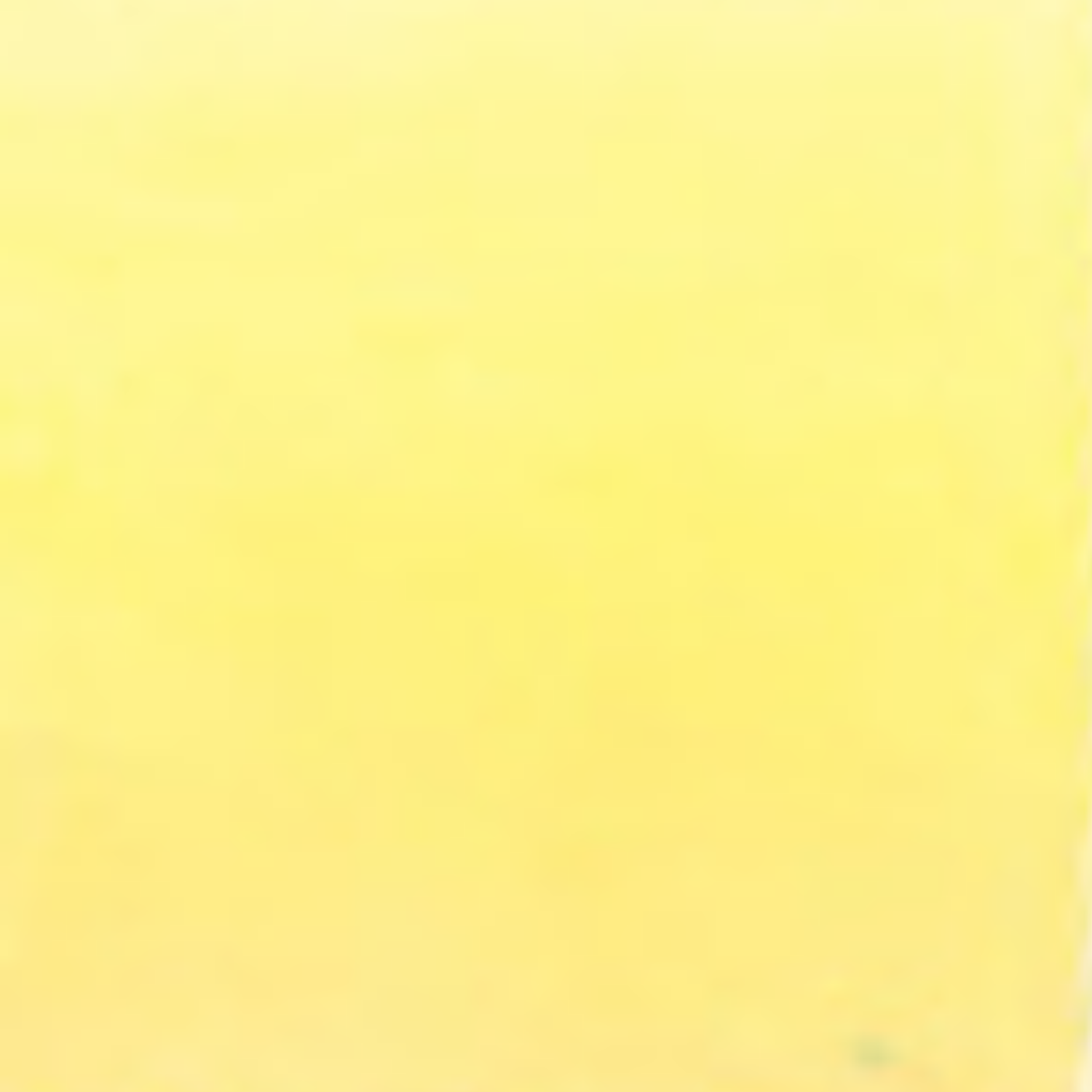
Lemon Yellow is the coolest yellow on the oil painter's palette: a sharp, slightly greenish yellow with none of the golden warmth of Cadmium Yellow or the amber richness of Yellow Ochre. It sits at the cool end of the yellow spectrum, with a brightness and acidity that makes it the essential yellow for mixing clean, vivid greens and for capturing the particular quality of citrus light, spring foliage, and pale coastal sunlight. Art Spectrum Studio Blend Oil Lemon Yellow uses PY3 (Arylide Yellow G) to deliver this cool, high-key yellow in a smooth, semi-transparent oil paint ideal for both direct painting and transparent mixing techniques.
What Makes This Colour Special
The difference between a warm yellow and a cool yellow matters enormously in oil painting. Using the wrong yellow can pull a colour mix in an unexpected direction. Cadmium Yellow Hue (PY74) is a warm mid-yellow with an orange bias, which is ideal for golden, sunny, warm-light passages. Lemon Yellow (PY3) is cool and slightly green-biased, which makes it better for the particular brightness of bright sunlight on white or pale surfaces, for spring and new-growth foliage, and for the vivid, clear greens of healthy vegetation in direct sun.
The most important practical application of Lemon Yellow is in green mixing. The green you get from Lemon Yellow and Phthalo Blue is dramatically brighter and cleaner than the green from Cadmium Yellow and the same blue. This is because the slight green bias in Lemon Yellow means there is no opposing orange-warm element to neutralise the mix, and the result is a vivid, saturated green. For Australian painters working with tropical or coastal vegetation, wattle flowers, spring garden subjects, or any subject requiring the maximum possible green brightness, Lemon Yellow is the yellow to reach for.
Lemon Yellow also suits a distinctly Australian kind of light: the sharp, high-key brightness of coastal midday sun on white-painted surfaces, pale sand, and light-coloured foliage. The slightly acid, cool quality of Lemon Yellow captures a different moment of Australian light than the golden warmth of Cadmium Yellow Hue. Experienced landscape painters often keep both on the palette, selecting between them based on whether the light reads as warm-gold or cool-bright.
Why Art Spectrum Studio Blend Oil Belongs on Your Palette
- The brightest green-mixing yellow. The cool green bias of PY3 produces dramatically cleaner, more vivid greens than any warm yellow. Essential for tropical foliage, spring subjects, and any maximum-saturation green passage.
- Cool-light specialist. Captures the cool, acid brightness of Australian coastal and midday light that a warmer yellow cannot deliver. The essential temperature complement to Cadmium Yellow Hue on the palette.
- ASTM II lightfastness. Very good permanence for studio and exhibition work. Reliable for most professional and commercial applications.
- Semi-transparent versatility. Useful in both direct painting and glazing. Layered over dry blue paint, it produces a clear, optically mixed green of particular luminosity.
- Australian-made since 1966. Art Spectrum has produced artists' materials from their Epping, Victoria facility for over six decades.
Getting the Most Out of This Tube
For the brightest greens in oil painting, combine Lemon Yellow with Phthalo Blue in small proportions, adding the blue incrementally from a base of yellow. The ratio of yellow to blue determines value: more yellow gives bright, light greens; more blue gives deep, vivid blue-greens. This combination produces greens more saturated than any pre-mixed green on the palette. To subdue the intensity for more naturalistic foliage, add a small amount of Raw Umber or Burnt Sienna to the mix.
To demonstrate the temperature difference between yellows, mix Lemon Yellow and Titanium White on one side of the palette, and Cadmium Yellow Hue with Titanium White on the other. The difference in colour temperature is immediately visible. Use this exercise to train your eye to recognise when a yellow passage in a subject reads as cool-bright versus warm-golden, and select accordingly.
For Australian wattle flowers and similar bright, cool-yellow subjects, Lemon Yellow applied directly or mixed with just a small amount of Titanium White is the most accurate yellow available. The bright, clean quality of wattle in full sun has more of the cool acidity of Lemon Yellow than the warmth of a cadmium yellow, and using the correct temperature reads more convincingly in the finished painting.
About Art Spectrum Studio Blend Oil: Melbourne Made Since 1966
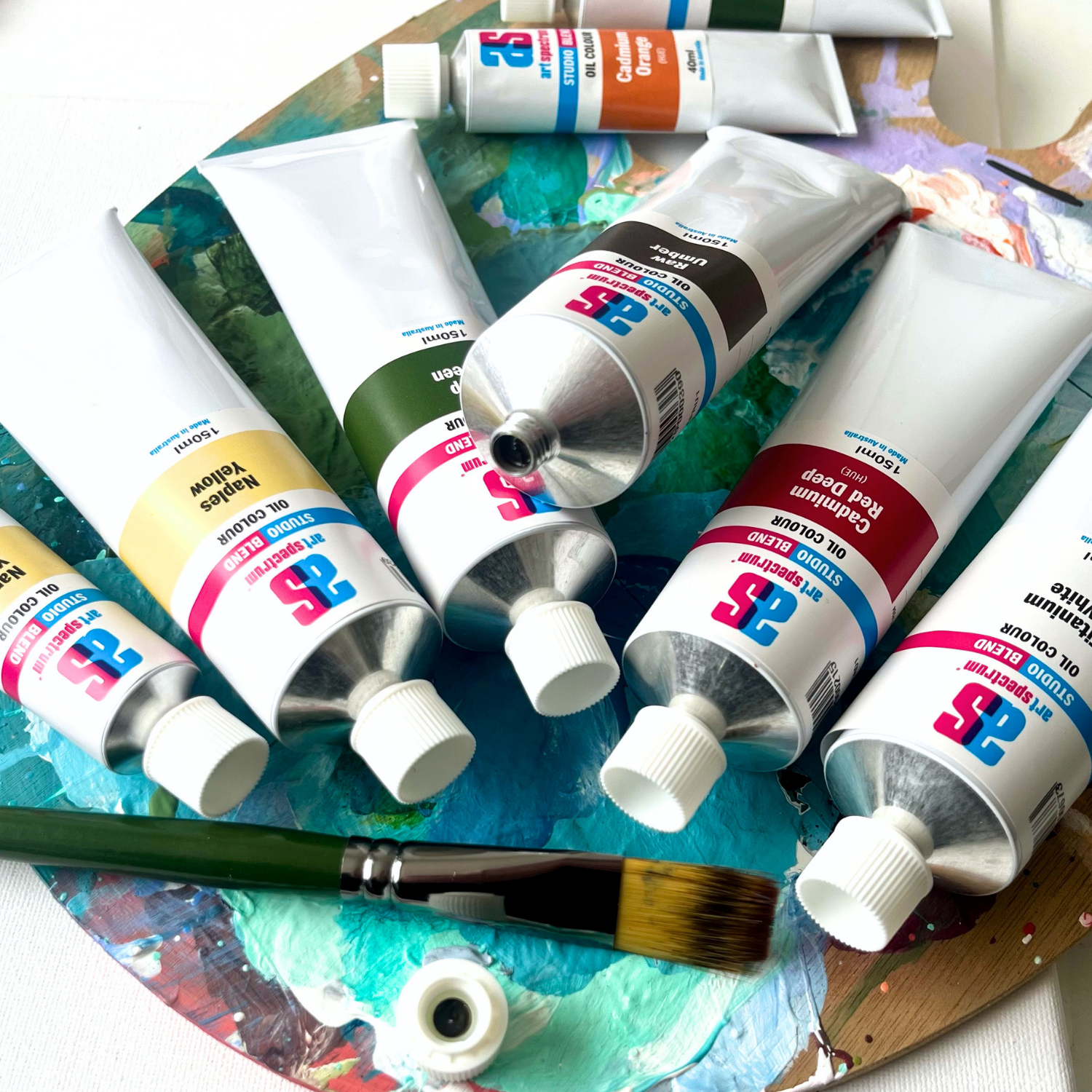
Art Spectrum has been manufacturing artists' materials in Epping, Victoria since 1966. The Studio Blend Oil range is the rebrand of the former Art Prism range, with fresh new packaging and artwork. The formula is unchanged: same pigments, same linseed oil base, same manufacturing standards. It is a studio-grade oil paint designed for working artists who want reliable, lightfast colour at a practical price. The 26-colour palette covers the complete mixing spectrum and is fully compatible with all Art Spectrum oil mediums and varnishes.
What is the difference between Lemon Yellow and Cadmium Yellow Hue in oil painting?
Lemon Yellow (PY3) is a cool, slightly greenish yellow suited to clean green mixing, coastal light, and spring foliage subjects. Cadmium Yellow Hue (PY74) is a warmer, more golden mid-yellow suited to sunshine, warm light, and autumn-toned subjects. Mixed with blue, Lemon Yellow produces brighter, more saturated greens because its cool bias aligns with blue rather than opposing it. Mixed with white, Lemon Yellow gives a cooler, more acid tint. Both yellows are useful on the palette, with the choice depending on the temperature of the light and the subject being painted.
Is Lemon Yellow lightfast enough for professional oil painting?
Yes, for most applications. Art Spectrum Lemon Yellow uses PY3 (Arylide Yellow G) with an ASTM II lightfastness rating, which indicates very good permanence. ASTM II colours are considered reliable for most professional and exhibition work. The only contexts where an ASTM I-rated yellow would be specifically preferred are archival applications or work intended for very long-term storage or display in very high light conditions, where the marginal difference in permanence between ASTM I and II becomes relevant.
Why does Lemon Yellow produce brighter greens than other yellows?
The brightness of a mixed green is determined by how closely aligned the yellow and blue are in the colour spectrum. Lemon Yellow has a slight green bias, which means it is already partway toward green in hue. When mixed with a blue like Phthalo Blue, there is minimal opposing hue to neutralise the mix, so the result is a very saturated green. Warmer yellows (Cadmium Yellow, Yellow Ochre) have an orange undertone, which is complementary to and partially neutralises blue, producing less vivid greens. The cooler the yellow, the brighter the green it produces with a given blue.
Can I use Lemon Yellow for painting Australian native flowers?
Yes. Lemon Yellow is particularly suited to Australian wattle (Acacia) flowers, which have a bright, slightly cool yellow that is better captured by Lemon Yellow than by a warmer, golden yellow. It also suits the pale lemon-yellow of some grevillea and banksia species, the bright yellow of native daisies, and the pale, cool-yellow light that often characterises Australian coastal and woodland scenes. For warm, golden-orange-yellow natives such as some banksias and kangaroo paws, Cadmium Yellow Hue or Yellow Ochre are better choices.
Is Art Spectrum Studio Blend Oil the same as Art Prism?
Yes. Art Spectrum Studio Blend Oil is the direct successor to the Art Prism range with new packaging and artwork only. The formula, pigments, and linseed oil base are unchanged. If you have used Art Prism Lemon Yellow previously, this product is identical in colour and performance.
Art Shed Online is an authorised Australian stockist of Art Spectrum products. All Art Spectrum Studio Blend Oil colours are sourced through official distribution channels. We ship Australia-wide.
(APLY1)
| SKU | APLY1 |
| Barcode # | 9323926000659 |
| Brand | Art Spectrum |
| Shipping Weight | 0.0168kg |
| Shipping Width | 0.055m |
| Shipping Height | 0.040m |
| Shipping Length | 0.200m |
| Shipping Cubic | 0.000440000m3 |
More From This Category