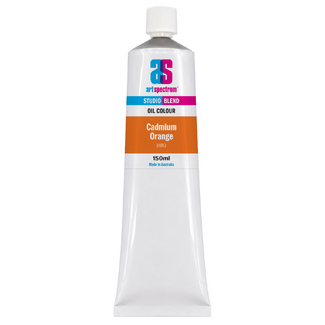


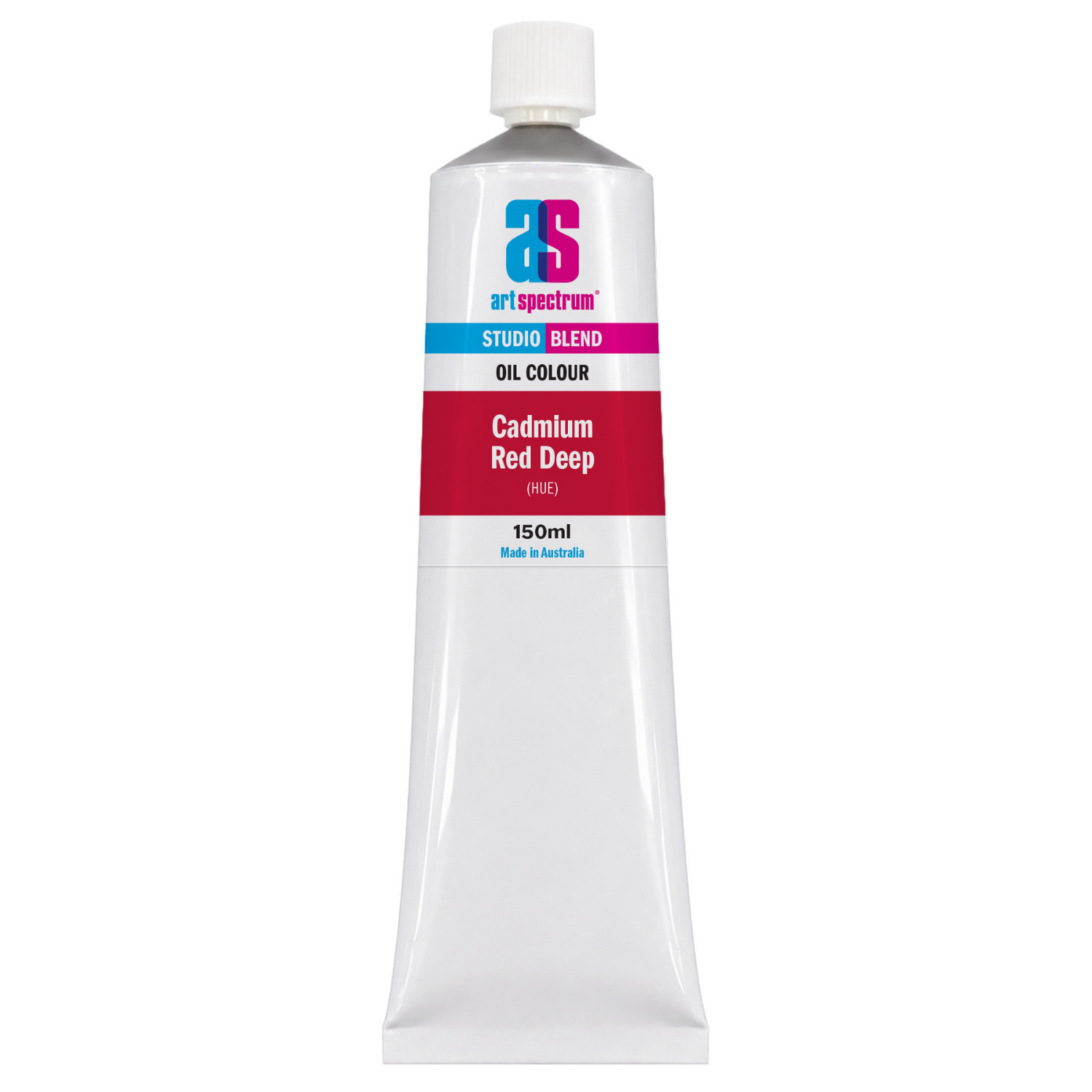
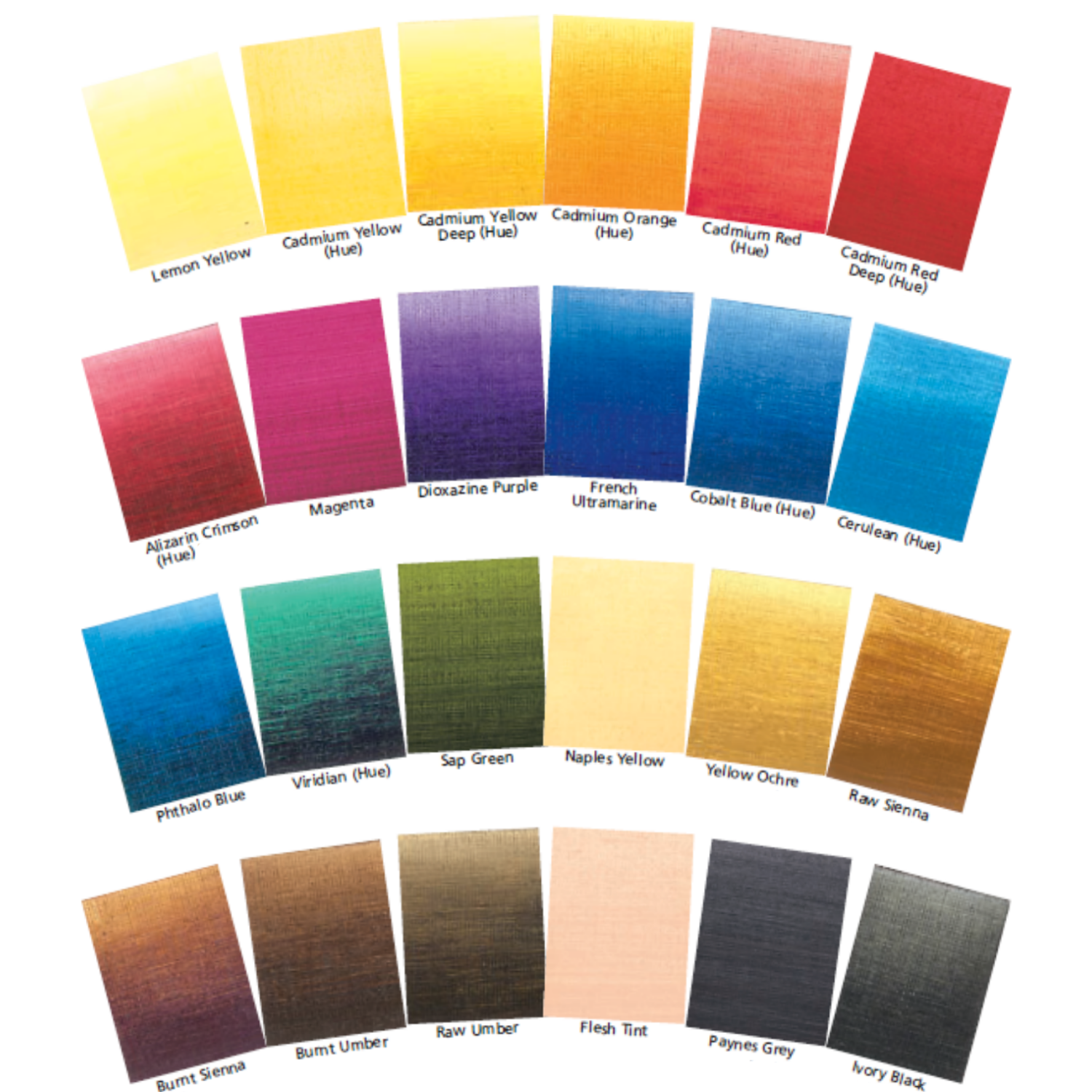
Art Spectrum Studio Blend Oil 150ml Cadmium Red Deep Hue
Our everyday low price
or 4 interest-free installments of $9.99 with

Own it now, pay later

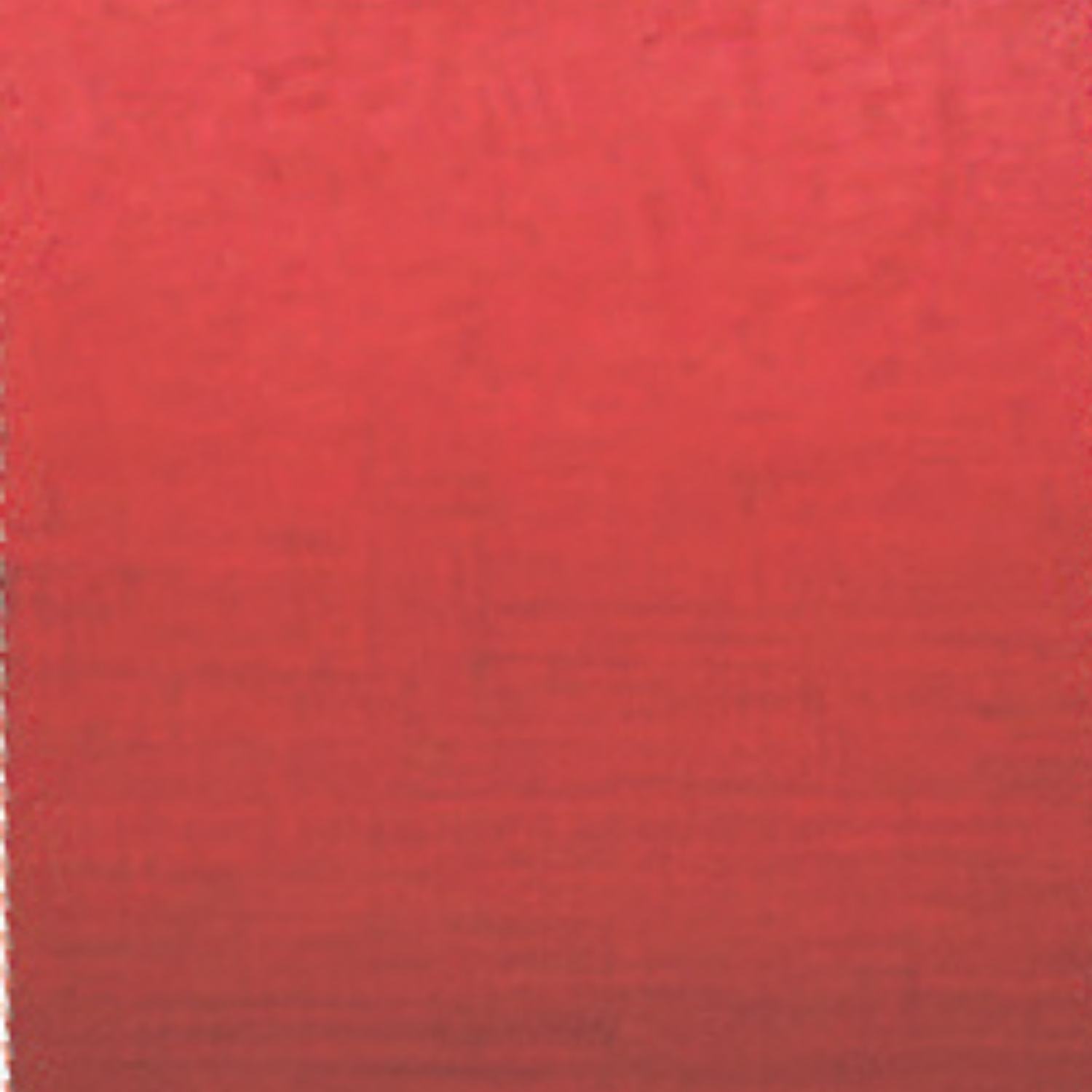
Cadmium Red Deep sits in the no-man's-land between a standard cadmium red and the cool transparency of Alizarin Crimson: it is dark, opaque, and richly saturated, with a red so deep it edges toward crimson without ever becoming cool. It fills a very specific gap on the palette. Art Spectrum Studio Blend Oil Cadmium Red Deep Hue captures this quality using a lightfast naphthol-based formula. It is the choice for deep floral shadows, the darkest passages of red drapery, the shadow side of warm skin, and any subject where you need an opaque red that reads as deep and substantial rather than bright and brilliant.
What Makes This Colour Special
The difference between Cadmium Red and Cadmium Red Deep is often underestimated. In painting terms, it is the difference between a red that reads as warm and light-struck versus a red that reads as deep and weighty. Cadmium Red Deep Hue does not drift toward orange like standard Cadmium Red, and it does not shift toward blue-purple like Alizarin Crimson. It occupies a very specific place: a fully saturated, opaque, warm-dark red. That is a rare position in the colour gamut, and it makes this colour irreplaceable for certain subjects.
In floral painting, Cadmium Red Deep Hue handles the shadow petals and interior depth of red roses and poppies. The challenge with painting red flowers is that the darks need to remain red, not shift toward purple or brown. An opaque dark red that holds its red character in shadow is exactly what is needed, and this colour provides it. Applied over a tonal underpainting, it sits in the shadow areas without losing its identity.
In landscape work, it adds the deep red-orange of Australian ochre soils seen in late afternoon shadow, and the darkest tones of ironbark and red-trunked gums. Mixed with a touch of Burnt Umber, it produces a deeply warm, earthy red-brown that is completely naturalistic in Australian bush settings.
Why Art Spectrum Studio Blend Oil Belongs on Your Palette
- The dark opaque red that sits between cadmium and crimson. Neither the bright warmth of Cadmium Red nor the cool transparency of Alizarin, this colour covers a unique position on the red spectrum that both need to reach.
- Non-toxic PR170 naphthol formula. No cadmium. Safe for teaching studios, class environments, and general studio use and disposal.
- ASTM II lightfastness. Very good permanence for gallery and exhibit work. Will not fade under normal indoor display conditions.
- Triple-milled in refined linseed oil. Studio-grade smooth consistency from Art Spectrum's Melbourne factory. The same manufacturing approach as their professional range.
- Made in Melbourne since 1966. Art Spectrum has been producing Australian-made artists' materials for over six decades from the same Epping facility.
Getting the Most Out of This Tube
For red floral shadows, apply Cadmium Red Deep Hue with minimal medium directly into the darkest petal recesses. Its opacity means it will hold up over any underpainting colour without going muddy. In the mid-tones, transition to Cadmium Red Hue, and in the highlights shift to Cadmium Orange Hue. This graduated trio gives you full tonal range while keeping every tone in the warm red family.
When mixing this into a wet underpainting (alla prima style), keep your palette knife clean between mixes. Because this is such a saturated, strong pigment, it can dominate a mix quickly and push other colours toward a muddy red-brown. Add it in very small increments until you hit the tone you want.
As with all opaque colours, fat over lean applies across sessions. In early lean layers, thin sparingly with mineral spirits. In later paint-thick sessions, use this colour at full consistency or with a small amount of linseed oil to maintain film flexibility.
About Art Spectrum Studio Blend Oil: Melbourne Made Since 1966
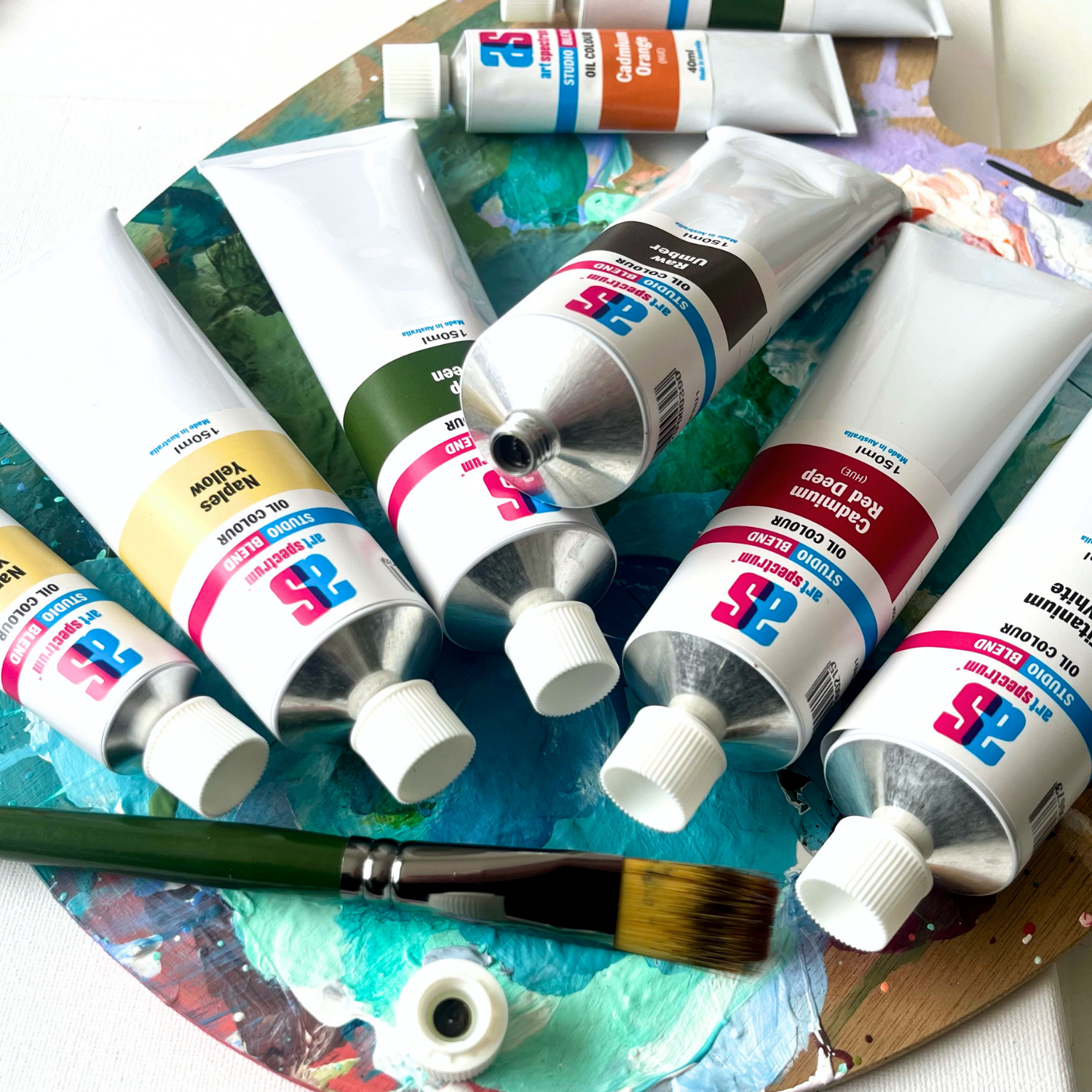
Art Spectrum has been manufacturing artists' materials in Epping, Victoria since 1966. The Studio Blend Oil range is the rebrand of the former Art Prism range, with fresh new packaging and artwork. The formula is unchanged: same pigments, same linseed oil base, same manufacturing standards. It is a studio-grade oil paint designed for working artists who want reliable, lightfast colour at a practical price. The 26-colour palette covers the complete mixing spectrum and is fully compatible with all Art Spectrum oil mediums and varnishes.
What is the difference between Cadmium Red Hue and Cadmium Red Deep Hue?
Cadmium Red Hue is a bright, warm red that leans slightly toward orange. It is the right choice for subjects where the red needs to read as luminous and light-struck. Cadmium Red Deep Hue is darker and richer, sitting between standard cadmium red and crimson. It does not lean orange nor does it go cool like Alizarin. It is the correct choice for deep shadow passages in red subjects, dark red drapery, and any area where you need opaque red in a lower tonal register.
What pigment is in Art Spectrum Studio Blend Oil Cadmium Red Deep Hue?
Art Spectrum Cadmium Red Deep Hue uses PR170 (Naphthol AS-OL), a lightfast, non-toxic naphthol pigment that produces a deep, saturated red. PR170 is rated ASTM II and is a widely used cadmium-free alternative that delivers the deep, dark red character of cadmium red deep without heavy metal pigments.
Can I use Cadmium Red Deep Hue instead of Alizarin Crimson for shadow reds?
They serve different purposes and are best used together. Cadmium Red Deep Hue is opaque and warm; it keeps shadow reds looking red without shifting toward transparent purple. Alizarin Crimson Hue is transparent and cool; it creates depth and luminosity in the darkest glazed passages. In practice, use Cadmium Red Deep Hue for solid shadow shapes and Alizarin Crimson Hue as a transparent glaze over dried passages to deepen them further. The combination is richer than either alone.
Is Cadmium Red Deep Hue good for Australian landscape painting?
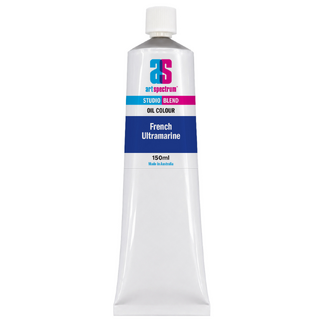
Yes. The deep, warm red of Cadmium Red Deep Hue closely matches the shadow tones of Australian red ochre soils, red-trunked eucalypts like red gums and scribbly gums, and the darkest shadow passages of laterite and sandstone. Mixed with Burnt Umber or Raw Umber, it produces naturalistic Australian earth tones. Mixed with French Ultramarine, it creates the warm dark violets of Australian bush shadow.
Is Art Spectrum Studio Blend Oil the same as Art Prism?
Yes. Art Spectrum Studio Blend Oil is the direct successor to the Art Prism range. The name and packaging are new; the formula is unchanged. Same pigments, same linseed oil base, same Australian manufacturing. If you have used Art Prism Cadmium Red Deep Hue before, this product is identical in colour and performance.
Art Shed Online is an authorised Australian stockist of Art Spectrum products. All Art Spectrum Studio Blend Oil colours are sourced through official distribution channels. We ship Australia-wide.
(APCRD1)
| SKU | APCRD1 |
| Barcode # | 9323926000215 |
| Brand | Art Spectrum |
| Shipping Weight | 0.0168kg |
| Shipping Width | 0.055m |
| Shipping Height | 0.040m |
| Shipping Length | 0.200m |
| Shipping Cubic | 0.000440000m3 |
More From This Category