





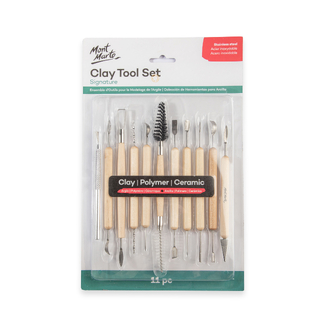
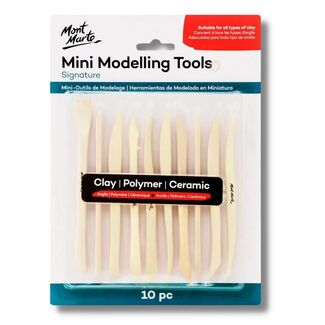
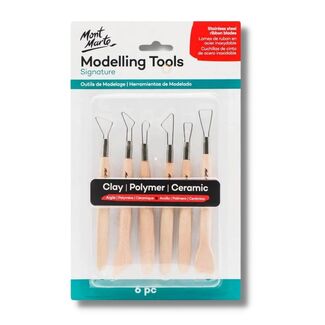
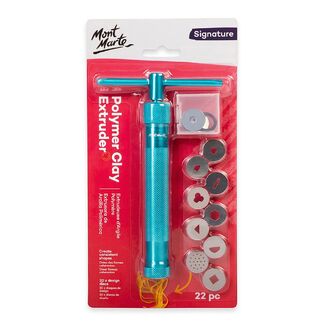
Sculpting is a hands-on process, and the tools you use should feel like natural extensions of your hands. Art Shed’s collection of sculpting and clay tools is built for shaping, refining, and finishing across a wide range of clay and modelling materials, from polymer and air-dry clay to ceramic and mixed-media work.
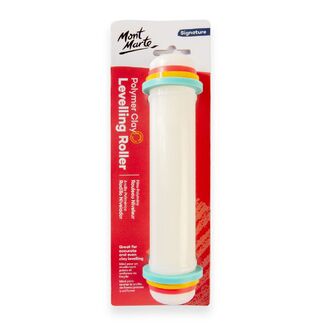
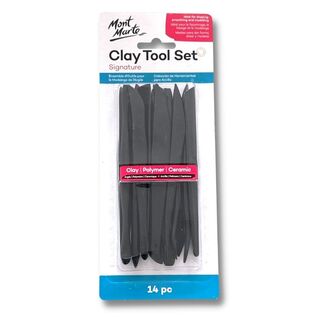
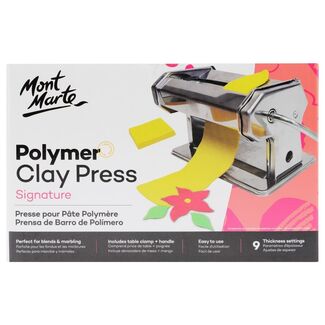
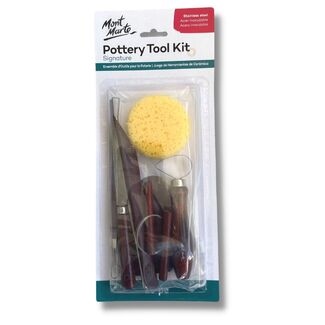
Our range focuses on the core tools artists actually reach for: rubber combs and kidneys, wire tools, metal tools, plastic tools, wooden tools, sponges, stamps, moulds, and polymer clay presses, along with thoughtfully curated tool sets that combine multiple materials. We also stock practical equipment like pottery wheels for ceramic makers ready to take their practice further.
Each tool type is chosen for durability, comfort, and reliable performance, making this collection suitable for beginners learning the basics, hobbyists refining their skills, and experienced makers working on detailed or functional pieces.
Choosing the Right Sculpting Tools for Your Medium
Different clays respond best to different working methods, and matching your setup to the material makes sculpting smoother and far less frustrating.
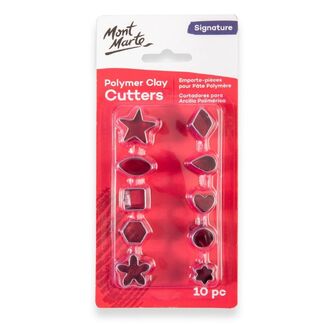
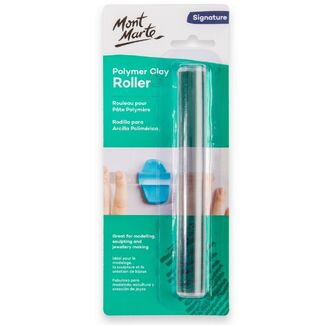
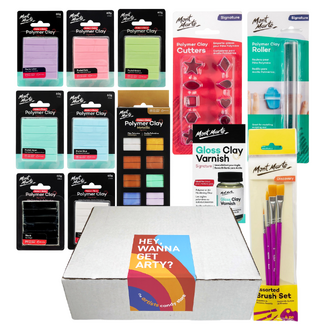
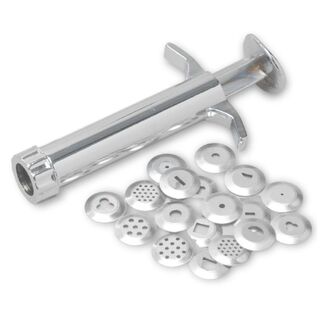
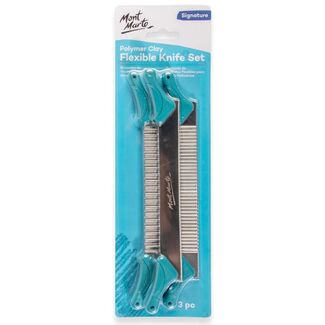
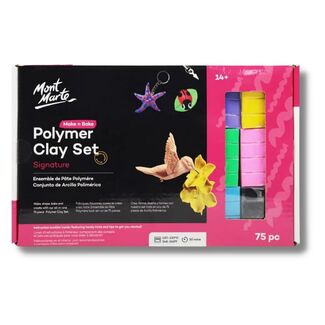
Polymer clay is soft and responsive, which makes precision and gentle handling especially important. Plastic and fine metal implements allow you to shape and refine details without dragging or distorting the surface, while rubber combs and flexible shapers are ideal for smoothing joins and adding subtle texture. Polymer clay presses are particularly useful for conditioning clay, helping you work it to a softer, more pliable consistency before shaping or detailing, which improves control and reduces cracking or tearing during the process.
Air-dry clay benefits from gentler shaping and surface refinement while the material is still workable. Wooden and plastic implements allow you to form shapes and refine edges without overworking the surface, while rubber kidneys and sponges help smooth seams and control moisture as the clay begins to firm. Because air-dry clay sets as it dries, working gradually and with lighter pressure produces better results.
Ceramic clay requires more robust, durable equipment that can handle wetter material and trimming at different stages of dryness. Wire cutters are essential for sectioning and removing work, while metal implements are used to trim, refine, and define forms. Rubber kidneys and sponges play a key role in compressing surfaces and creating clean, professional finishes, especially during throwing and hand-building.
Mixed-media and modelling work often combines materials and techniques, so versatility matters. Stamps and moulds allow for repeated textures and consistent forms, while wooden and plastic shaping aids support assembly and surface work without damaging delicate elements.
Essential Tools Every Sculptor Should Have
You don’t need every tool under the sun to sculpt well. A few core categories cover most techniques and give you room to grow.
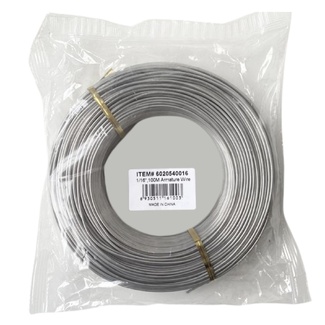
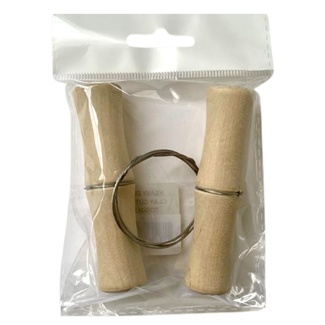
Wire tools are essential for cutting clay, removing sections, and separating work from surfaces or pottery wheels. They’re a staple in ceramic studios and incredibly useful for clean cuts across all clay types.
Metal tools are ideal for trimming, carving, and refining forms. Their strength allows for precision work, sharp edges, and controlled removal of material, particularly in ceramic and firmer clays.
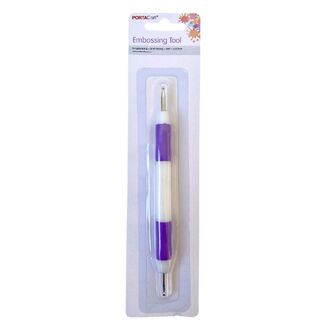
Plastic tools are lightweight, versatile, and beginner-friendly. They’re commonly used for shaping, scoring, smoothing, and assembling pieces without leaving harsh marks.
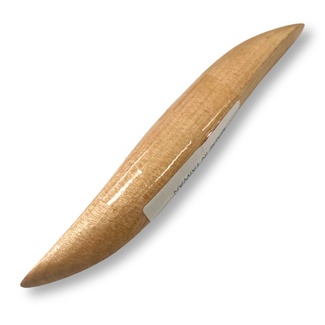
Wooden tools are gentle and intuitive, making them great for shaping, blending, and working with softer clays. They’re especially popular for hand-building and early-stage sculpting.
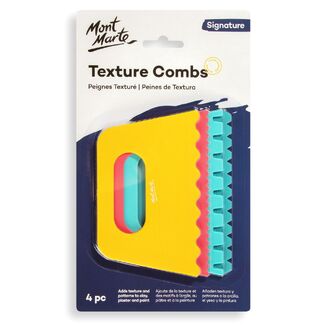
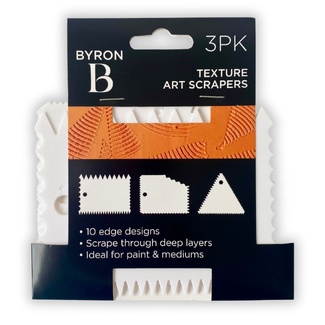
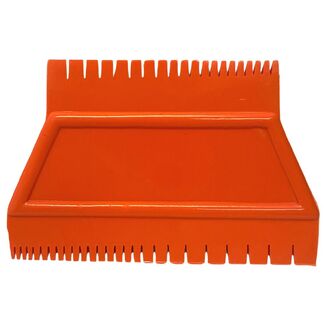
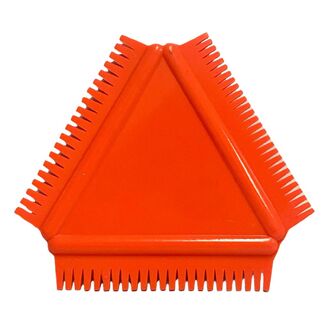
Rubber kidneys and combs are used to smooth, compress, and texture surfaces. They’re essential in ceramic work for refining forms and adding surface interest without damaging the clay.
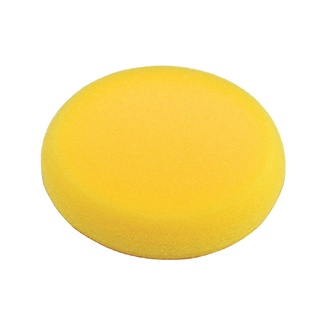
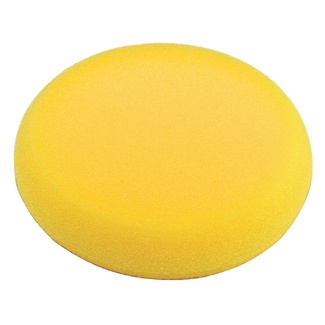
Sponges play a crucial role in smoothing, cleaning edges, and controlling moisture, particularly in ceramic sculpting and throwing.
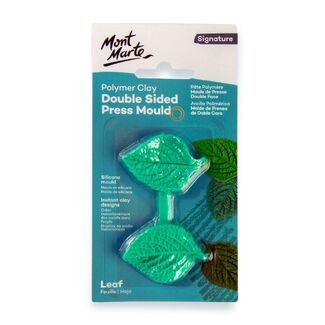
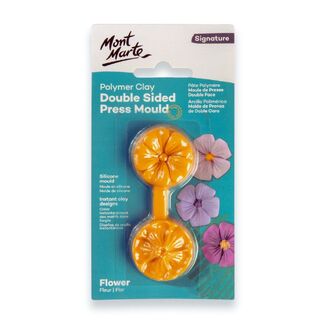
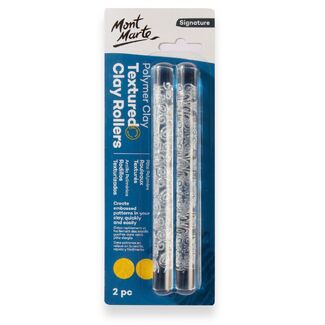
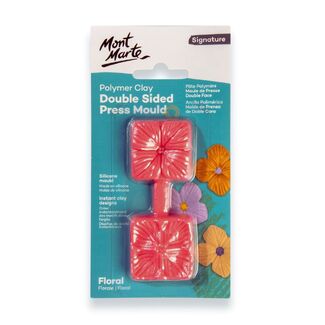
Stamps and moulds allow for consistent textures, patterns, and shapes, making them perfect for decorative work, repeat elements, and creative experimentation.
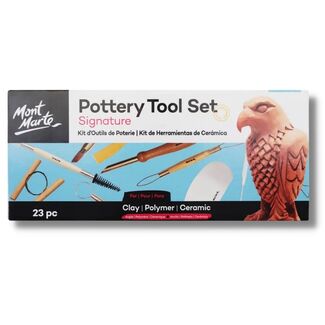
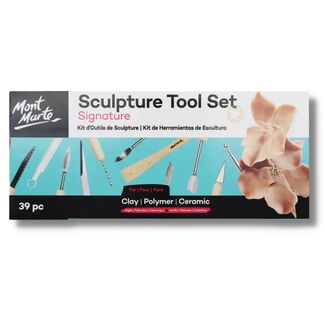
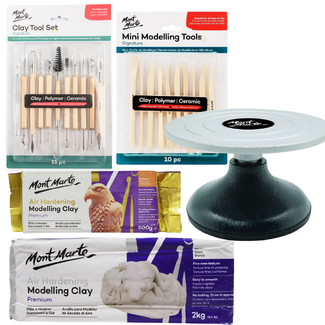
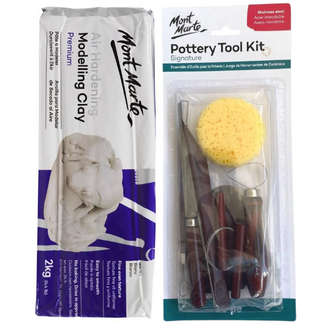
Tool sets combine multiple materials and tool types, offering a balanced starting point for beginners and a convenient upgrade for makers who want versatility without piecing everything together individually.
Frequently Asked Questions About Sculpting & Clay Tools
Which sculpting tools are best for beginners working with polymer clay?
Beginners usually do best with plastic tools, small metal tools, rubber combs, and a basic wire cutter. Tool sets that include a mix of materials are a great way to explore techniques without overcomplicating things.
What tools do I need for fine detail work in ceramic sculpting?
Metal tools for trimming and carving, rubber kidneys for smoothing, and sponges for surface refinement are key for detailed ceramic work.
Are metal tools better than wooden or plastic tools?
Metal tools offer precision and durability, especially for trimming and carving. Wooden and plastic tools are gentler and better for shaping, smoothing, and softer clays. Most sculptors use a combination depending on the stage of their work.
What’s included in a basic sculpting tool set?
Most sets include a mix of wire tools, metal tools, plastic tools, and shaping tools, covering cutting, forming, smoothing, and detailing across multiple clay types.