





Some artists buy their colour ready-made. Others like to build it themselves, starting with raw pigment powder and deciding exactly how strong, how transparent and how textured every colour turns out. If that's you, you're in the right place. Our pigment powder range covers everything from traditional earth pigments through to modern mica-based finishes, suited to oil, acrylic and mixed media work.
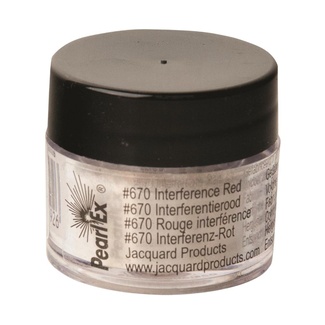
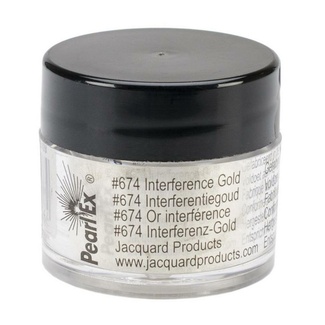
Whether you're grinding your own oil paint on a glass slab the way painters have for centuries, mixing a metallic finish with Jacquard's Pearl Ex pigments, or working from Art Spectrum's dry ground pigments the same way professional colourmen have for over fifty years, this is where that work starts. Everything ships fast, Australia wide, and is priced below standard retail.
What's the difference between pigment powder and paint?
Pigment powder is raw colour, before it's been turned into paint. If you've ever checked the label on a tube of paint, you've probably seen a line like "Pigment: PBk9" alongside a name and sometimes a strength rating, that's the actual pigment doing the work. Once that same pigment is mixed into a binder (oil, acrylic emulsion or gum arabic) it becomes paint, something that flows, grips a surface and dries into a film.
Where does pigment colour actually come from?
Historically, it came from the ground itself. Ultramarine was crushed lapis lazuli, shipped at huge expense from Afghanistan. Ochres were iron oxide clays dug straight out of the earth, which is why old-master browns and yellows vary so much by region. That tradition hasn't disappeared, it's just changed shape. Art Spectrum, an Australian brand that has been formulating professional pigments for over fifty years, sources its dry ground colours from specialist pigment houses around the world rather than blending them from pre-made paint. And it's not always about earth or mineral colour either, Nitram's powdered charcoal traces back to Martin Gros, who started making charcoal by hand in the forests of L'Yonne, France, back in the 1930s before founding his own charcoal company in 1965 (the name Nitram is his own name spelled backwards). Carbon black pigment has roots in exactly that kind of process, charred organic material milled down into usable colour.
★ Art Shed Tip
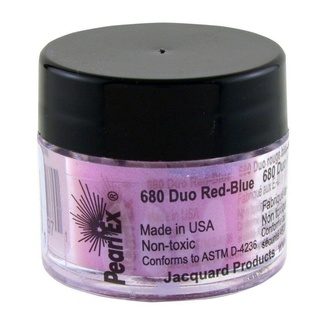
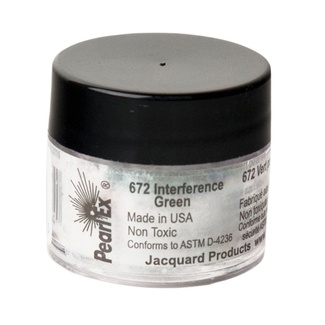
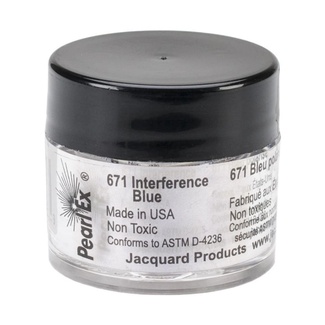
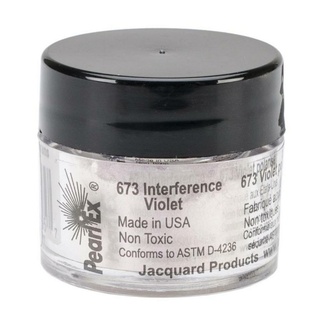
Not every pigment on the shelf is an earth colour. Pearl Ex pigments are made from mica flakes coated to reflect light, which is how they get that pearlescent or metallic look without containing any actual metal. They won't tarnish or fade the way a real metallic finish can.
Do all pigment powders behave the same way?
No, and this is one of the most interesting parts of making your own colour.
Different pigments can vary dramatically in:
- Tinting strength: how strongly a small amount affects another colour.
- Transparency or opacity: whether light passes through the colour or it covers the surface underneath.
- Particle size and texture: some pigments feel smooth while others create more noticeable texture.
- Oil or binder absorption: one pigment may need noticeably more binder than another to reach the same consistency.
- Staining strength: some colours grab onto surfaces much more readily than others.
- Lightfastness: how well the colour is likely to resist fading over time.
- Finish: from earthy and matte through to glossy, shimmering or pearlescent.
This is why recipes for handmade paint should usually be treated as a starting point rather than a strict formula.
★ Art Shed Tip
Keep a little pigment notebook when you're experimenting. Write down the pigment, binder, approximate proportions and how the mixture behaved, then add a painted swatch beside your notes.
It might feel overly organised for your first batch, but you'll thank yourself when you accidentally create the perfect consistency and want to make it again.
How to Make Paint From Pigment Powder
How do I make oil paint from pigment powder?
To experiment with handmade oil paint, place a small amount of pigment onto a suitable non-porous work surface and gradually work in artist-quality drying oil, commonly linseed oil, using a palette knife.
Start with less oil than you think you'll need. Mix until the pigment forms a firm, workable paste rather than immediately pouring in enough oil to make it fluid.
You can always add more. For a more thoroughly dispersed paint, the mixture can then be worked beneath a glass muller on a grinding slab. Mullers don't simply squash pigment into smaller and smaller pieces; their main job is to help evenly disperse pigment throughout the binder and break apart clusters of particles.
Art Spectrum Dry Ground Pigments are a great place to explore this more traditional approach to colour making.
★ Art Shed Tip
Make tiny test batches first.
Different pigments can require surprisingly different amounts of oil, so a ratio that produces beautiful paint with one colour might create a runny mess or dry paste with another.
How do I make acrylic paint from pigment powder?
Acrylic is one of the easiest mediums to experiment with, since most pigments combine happily with acrylic binder or medium. Start by wetting the powder into a smooth paste before gradually working in your medium, this cuts down on dry pockets and helps the pigment disperse evenly. Keep adding medium until you hit the strength, transparency and consistency you're after.
Want something closer to heavy body paint? Use less medium. After a transparent glaze instead? Use more. Chasing shimmer rather than flat colour? Pearl Ex mixes into compatible acrylic mediums for a metallic or pearlescent finish.
Keep in mind the medium is doing real work here, it's what forms the film holding your pigment in place once dry. More pigment doesn't automatically mean better paint, overload the mix and you can actually weaken that film.
How do I make watercolour from pigment powder?
Combine pigment with gum arabic as your binder, plus a touch of glycerine or honey to keep the dried cake workable. This is the traditional watercolour formula, and it's why handmade watercolours often rewet more smoothly than some mass-produced pans do.
Do I need special equipment to grind my own paint?
Not to get started, no. A palette knife and a flat, non-porous surface will make you workable paint. A glass muller and slab genuinely improve the grind and the paint's long-term stability, but think of them as an upgrade rather than something you need for your first batch.
Traditional and Experimental Techniques Using Raw Pigment
What is fresco painting?
Fresco is pigment mixed straight into wet lime plaster, so the colour becomes chemically bound into the wall as the plaster cures, rather than sitting on top of it as a coating. That's why centuries-old frescoes still hold their colour, the pigment became part of the surface itself.
What is encaustic painting?
Encaustic mixes pigment powder into hot beeswax, applied while molten and fused between layers with heat. The wax locks colour into a glossy, slightly translucent finish that can be carved, layered and reworked long after acrylic or oil would have set solid. Pearl Ex is one of the pigments specifically suited to encaustic work if you want a shimmer running through the wax.
Can pigment powder be used for restoration colour matching?
Yes. Conservators reach for raw pigment specifically because it lets them match a damaged painting's original colour exactly, rather than relying on the fixed hues in a premixed tube. Working from a single, pure pigment like Art Spectrum's range means adjusting one variable at a time, without whatever binder or additive a manufacturer already chose for you.
Pigment Powder Safety
Loose pigment needs slightly different handling from paint squeezed straight from a tube.
The main difference? Dust.
Even pigments that aren't classified as highly hazardous shouldn't be breathed into your lungs as fine airborne particles.
When working with loose pigment:
- Avoid creating clouds of pigment dust.
- Work in a well-ventilated area.
- Keep food and drinks away from your workspace.
- Consider appropriate respiratory protection when handling fine powders.
- Wear gloves where recommended.
- Wash your hands after use.
- Keep pigment containers sealed when you're finished.
- Never use art-making equipment for food preparation afterwards.
- Check the packaging and current safety information for the exact pigment you're using.
Traditional and modern pigments don't all have the same safety profile, so avoid assuming that a colour is harmless simply because it's sold as an artist material.
★ Art Shed Tip
Instead of scooping pigment from high above your mixing surface, keep your palette knife or scoop close to the slab and move slowly. Less flying powder means less mess, less wasted pigment and less pigment floating around your studio.
Pigment Powder Questions, Answered
Is pigment powder toxic, or safe to use without special precautions?
Most modern pigment powders are non-toxic, Pearl Ex, for example, is inert and safe to handle. A handful of traditional colours, cadmiums, cobalts and some historical earth pigments, do carry real cautions and are best handled with a dust mask and gloves. Always check the specific pigment's safety data before working with it dry.
How do I make paint from pigment powder, and do I need special equipment?
You need pigment, a binder suited to your medium, and something to mix them with, a palette knife is enough to start. See the binder-by-medium breakdown above for oil, acrylic and watercolour methods.
How much pigment powder is actually needed for a small batch of paint?
A little goes further than most people expect. As a rough starting ratio, try one part pigment to one part binder by volume for a small test batch, then adjust for strength once you see how that particular pigment behaves.
Can pigment powder be stored long-term without spoiling or losing strength?
Yes. Unlike premixed paint, dry pigment powder doesn't spoil or dry out, since there's no binder in it to cure or degrade. Nitram even ships its powdered charcoal in a sealed aluminium tin for exactly this reason. Stored somewhere dry and away from direct light, pigment powder holds its strength indefinitely.
Is working with raw pigment realistic for someone who has never made their own paint before?
Yes, especially if you start simple. A ready-mixed option like Pearl Ex is the gentlest entry point since there's no binder ratio to get right, just mix it into whatever medium you're already using. From there, working up to hand-grinding your own oil paint is a natural next step.
Is pigment powder better than premixed paint?
Neither is objectively better, they suit different work. Pigment powder gives you full control over binder, ratio and finish, and usually costs less per colour, while premixed paint saves time and guarantees a consistent result straight from the tube. Most working artists use both, depending on the job.
Can pigment powder be mixed directly with acrylic medium?
Yes, pigment powder mixes readily with acrylic medium, and it's one of the simplest ways to start working from raw pigment. Wet the powder into a paste first to stop it clumping, then fold in the medium gradually until the colour reaches full strength and the consistency you're after.
Ready to start mixing your own colours? Browse the full pigment powder range below, or head to our acrylic mediums, oil paints and watercolour paints ranges for binders to pair with it. Every order ships fast, Australia wide, direct from our Melbourne warehouse.