





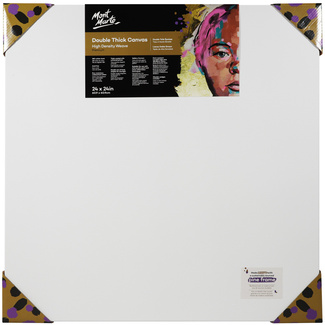
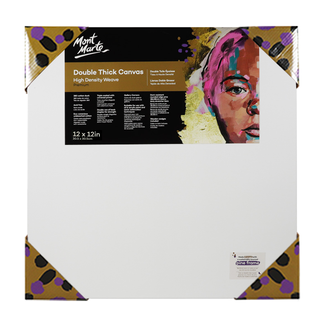
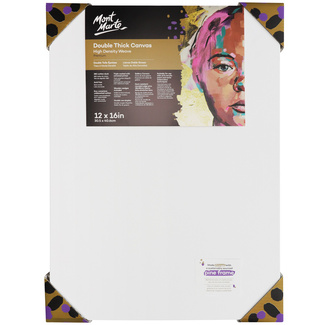
A good painting starts long before the first brushstroke. It starts with the surface.
Art Shed's canvas range covers every format, size, skill level and medium -- from affordable practice canvases to professional linen used by exhibiting artists. Whether you're reaching for a 30x40 Signature Single Thick for your weekly painting session or a large-format Professional Premium Double Thick for a commission, we have it in stock and ready to dispatch same day from Melbourne and Brisbane.
Our range includes stretched canvas in cotton and linen, canvas panels, canvas rolls, pads and colouring canvas. Top brands include Mont Marte -- Australia's most popular art supplies brand, of which Art Shed is the official Partner Store -- plus Art Spectrum and more.
Not sure which Mont Marte canvas size you need? See the complete Mont Marte canvas size list -- every size across every range, all in one place.
Confused about what art canvas is right for you? Single, double thick frame? See our guide to Mont Marte Canvas
Choosing the Right Painting Canvas for Your Medium
Cotton vs Linen
Cotton is the everyday hero of the canvas world. It’s what most artists use for their regular acrylic paintings because it’s smooth, affordable, versatile and behaves predictably. It grips acrylic beautifully, dries evenly and gives you a solid, dependable surface whether you’re layering thick paint or glazing soft colour. It’s the kind of canvas most people learn on, grow with and stick to for years because it works for almost everything.
Linen is the more premium option. It’s what you’ll often see in galleries, studios and professional oil painters’ setups because it’s made from stronger natural fibres that hold tension extremely well. Linen has a subtle, refined texture, resists sagging over time and absorbs less paint, which keeps colours richer and cleaner. Both cotton and linen are excellent choices. It just depends on what you’re looking for: cotton for dependable everyday painting, or linen for long-term, professional and oil-based work with a luxe finish.
Understanding GSM
Canvas weight is measured in gsm, which stands for grams per square metre. The higher the gsm number, the thicker and heavier the canvas fabric is.
• Around 280 gsm is perfect for beginners, classrooms, light acrylics and kids’ art.
• 340–380 gsm cotton gives you a sturdier surface for thicker acrylics, moderate impasto and oils.
• 400+ gsm linen offers a stable, long-lasting professional surface for detailed, blended or layered work.
Higher gsm fabrics are stronger, resist sagging and hold up better under heavy paint.
Priming, Gesso and Absorbency
Most of our canvases arrive pre-primed with acrylic gesso, which is a white primer that seals the fibres and creates a smooth, paint-ready surface. Gesso helps prevent paint from sinking into the fabric, improves colour vibrancy and gives your brushstrokes something to grip onto.
Some canvases have one or two coats, others have three. If you want:
• A smooth, blended finish: add an extra thin coat of gesso and sand lightly.
• A toothier, textured surface: paint straight onto the canvas as it comes.
• Ultra-slick, high-detail work: add two coats and sand between each.
Gesso also helps acrylics stick properly and prevents oils from rotting the fibres in unprimed canvas.
Matching Your Canvas to Your Medium
Acrylics generally perform best on cotton because the fibres soak up just enough moisture to help the paint cure evenly. Acrylics also dry faster, so cotton’s moderate absorbency keeps them stable without lifting or cracking.
Oils prefer heavier cotton or linen because these surfaces stay tight, resist sagging and hold up better under slow-drying, oil-rich layers. Linen especially keeps long-term tension and holds the weight of oils beautifully.
Mixed media works best on stronger frames or rigid surfaces like panels because heavy gel, collage, impasto and layered texture put more physical pressure on the surface while working. A good rule of thumb is: if you push hard, scrape hard or glue things on, choose a stronger canvas with bracing or a rigid board.
Stretched, Rolled, or Canvas Pads — What’s Best for You?
Stretched Canvases
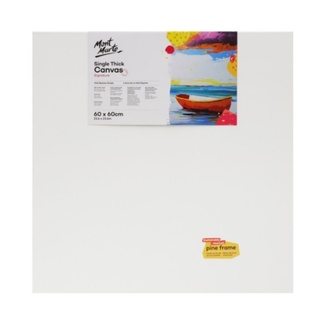
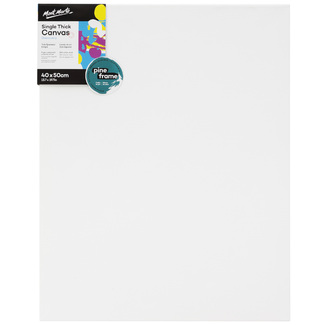
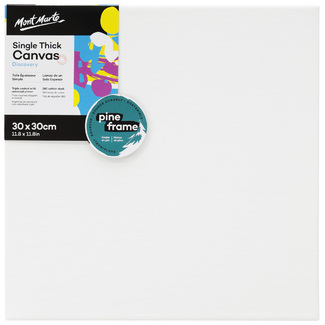
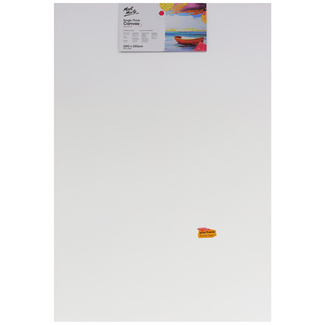
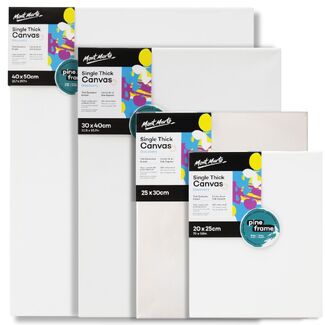
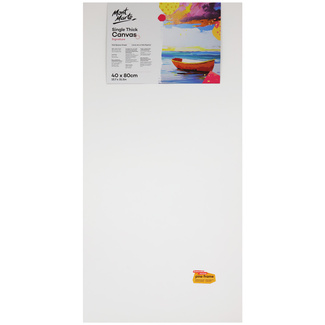
Stretched canvases are the go-to option for most artists because they come ready to paint, primed and pulled tight over wooden stretcher bars. Cotton versions like Mont Marte Signature and Premium are perfect for everyday acrylic or oil work, offering predictable texture, neat back-stapling and strong frames.
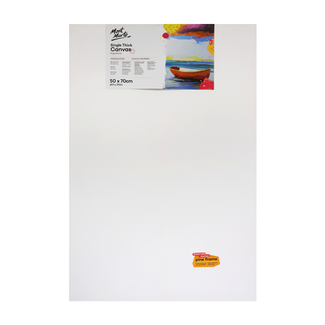
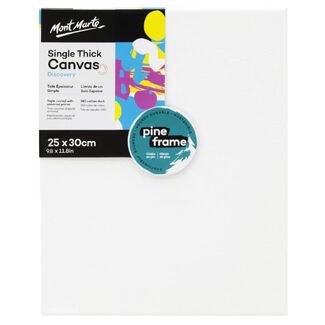
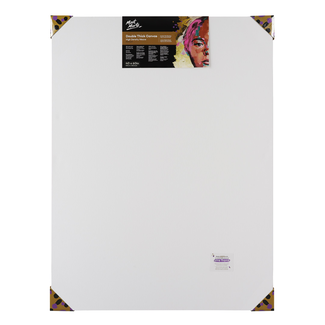
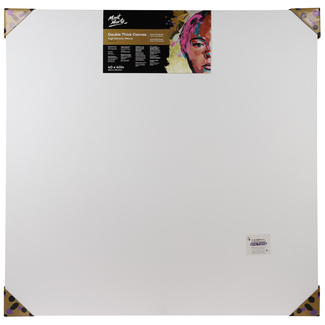
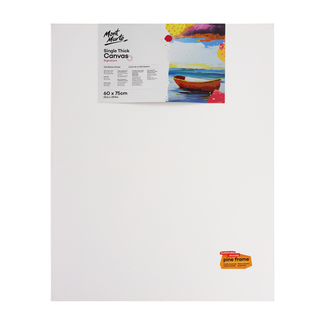
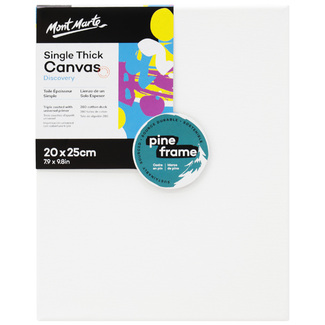
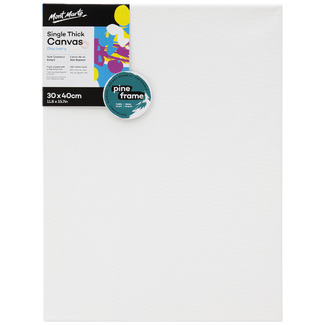
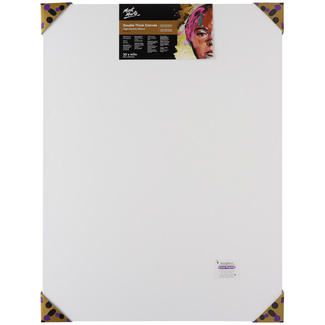
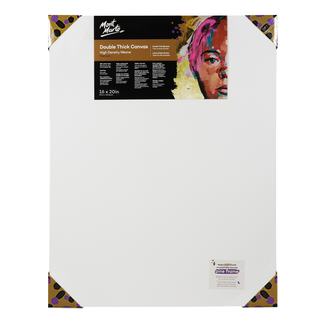
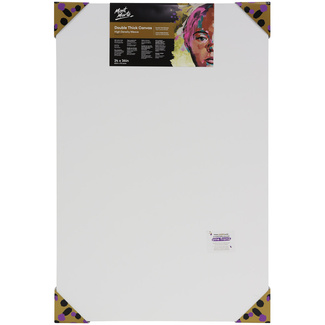
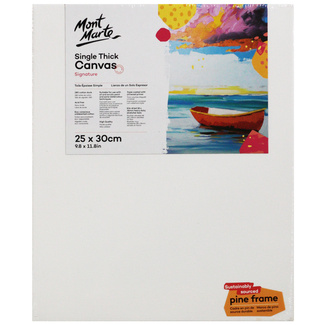
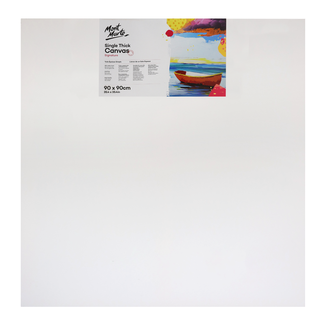
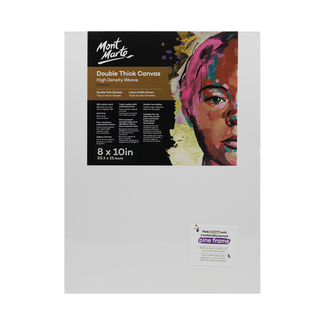
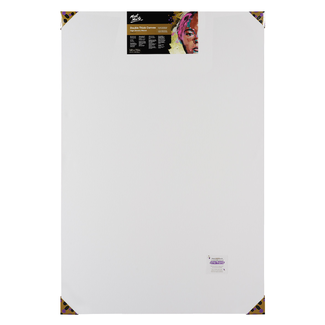
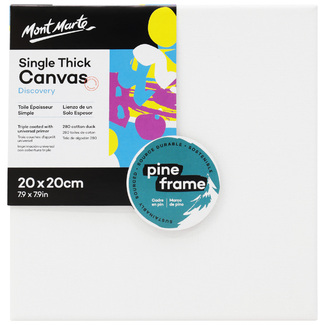
Single thick canvases have a slim 18 mm edge that fits beautifully into standard frames. Double thick canvases have a deeper 38 mm edge that gives your artwork a clean, gallery-style finish without needing a frame at all. The extra depth also adds stability, helping the canvas stay tight during heavy acrylic textures, palette knife work or the occasionally Australian humidity.
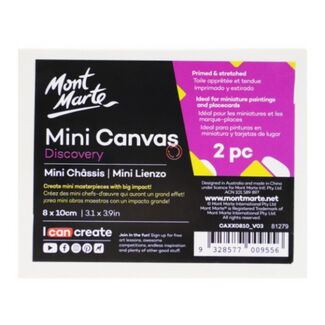
Discovery canvases are ideal for kids, beginners and practice sessions because they’re affordable and easy to work with. Premium canvases, made from heavier cotton and kiln-dried stretcher bars, are fantastic for painters who want a sturdier, long-lasting surface that holds tension over time.
Canvas Rolls
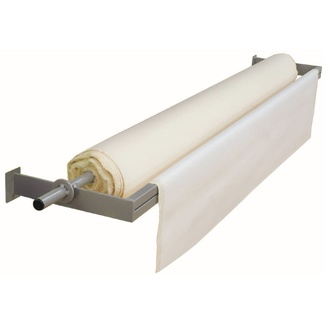
Canvas rolls are the freestyle option for artists who think in metres rather than centimetres. A roll gives you the freedom to work as big, long or wide as your imagination (or studio wall) allows. They come primed or unprimed in cotton or linen, so you can stretch them yourself or hang them loosely for mural-style work.
Canvas rolls are perfect for muralists, large-scale painters, artists who burn through canvases quickly or anyone who wants total control over their dimensions. They’re also a cost-effective way to create huge pieces without paying deep-edge-gallery-frame prices.
For beginners, rolls can feel overwhelming, but they’re excellent for learning how to stretch your own canvases. For professionals, they’re unbeatable for custom sizing, installations, wide panoramas or bulk canvas prep.
Storage is neat and simple: just roll them back up. Portability is also a bonus because even very large surfaces become compact once rolled. You can store metres of canvas in the footprint of a yoga mat.
Canvas Panels and Boards
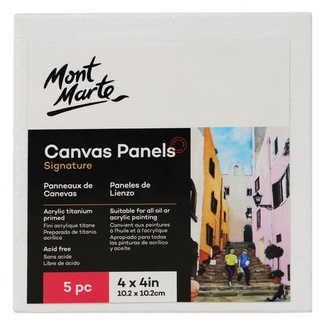
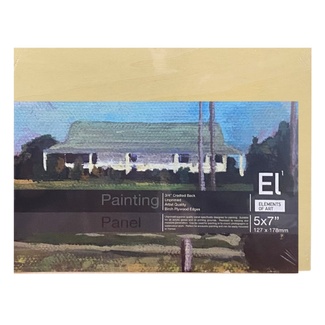
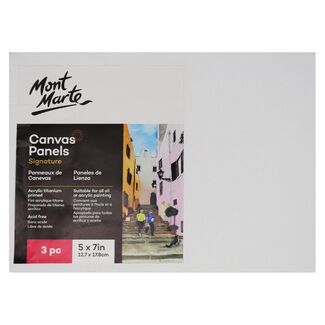
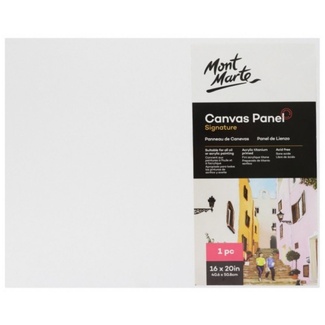
Canvas panels are firm, compact and perfect when you want a surface that stays completely rigid. They’re brilliant for detail work, plein air painting, mixed media and anything where you don’t want flex under your brush. Panels are also student-friendly, budget-friendly and extremely easy to transport, store and frame.
Because they don’t bounce, panels give you more control for fine detail and make collage techniques much easier. They stack flat without denting, which is ideal for both classrooms and travelling painters.
Canvas Pads and Shape Canvases
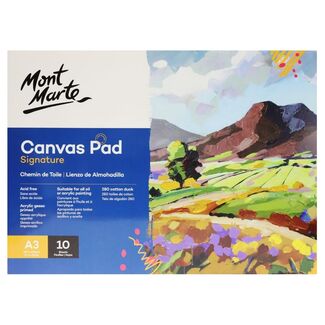
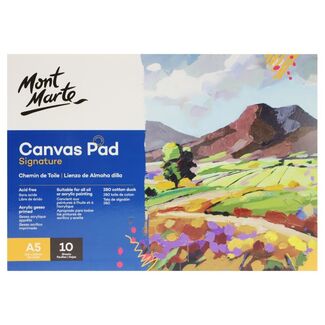
Canvas pads offer sheets of primed canvas paper that you can tape down, mount or sketch on. They’re perfect for warm-ups, colour tests, studies, planning compositions and experimenting with new mediums before committing to a stretched canvas.
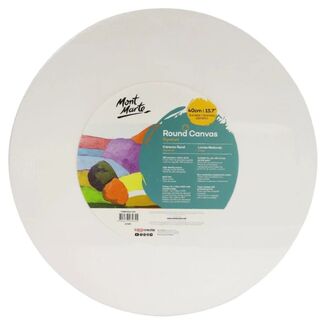
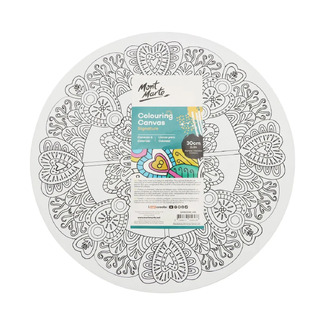
Shape canvases, like hearts and circles, add a fun twist and are great for craft projects, kids’ artwork, custom gifts or designs that need something quirky and unique. They behave just like regular canvases but give your work a distinctive silhouette.
Which Canvas Should I Choose for My Paint Type
Acrylic Paint
Acrylics work beautifully on cotton because it absorbs just enough moisture for smooth, even drying. Lighter gsm cotton is great for beginners, while heavier cotton or linen gives you more strength for impasto, thick texture and layered work.
Oil Paint
Oils work best on heavier cotton or linen because these surfaces stay tight, resist sagging during long dry times and maintain colour vibrancy. Linen is especially ideal for long-term oil paintings or highly detailed work.
Mixed Media
Mixed media benefits from stronger frames or rigid surfaces that won’t flex under pressure. Choose deep-edge canvases, braced cotton or panels if you love collage, gel medium, scraping, texturing or palette knife work.
Kids and Beginners
Discovery canvases, canvas pads and panels are perfect for early projects, technique building and practice sessions.
Frequently Asked Questions
What type of canvas is best for acrylic painting
The best canvas for acrylic painting is a primed cotton stretched canvas. Cotton grips acrylic well, dries evenly and suits everything from beginner pieces to professional work. If you want heavier texture or a more durable surface, choose a higher gsm cotton or a linen canvas.
How do I prepare a raw canvas before painting
To prepare a raw canvas, apply two to three thin coats of acrylic gesso, letting each layer dry completely. Gesso seals the fibres, prevents paint from sinking in and creates a smooth, even surface for both acrylic and oil paints.
Should I use a stretched canvas or a canvas board for oil paints
Oil paints work well on both stretched canvas and canvas boards. Use stretched linen or heavier cotton for long-term paintings and professional work. Choose canvas boards for studies, travel painting or detailed work where you want a rigid surface.
What’s the difference between cotton and linen canvases
Cotton canvases are affordable, flexible and great for everyday painting, especially with acrylics. Linen canvases are stronger, absorb less and hold tension better, making them ideal for oil painting and professional, long-lasting artwork.
Resources, Tutorials & More
Ready to sharpen your canvas skills?
Dive into our guides, blogs and tutorials covering canvas prep, gesso tips, choosing the right surface, stretching your own canvas, working with rolls and handy painting tricks for acrylics, oils and mixed media.
Education
Artist-Grade vs Chain Store Canvas: What You Need to Know
How to fix a ripped canvas (before you start painting on it!)
How to easily hang your artwork
Product guides
Mont Marte Canvas Comparison: Signature vs Premium, Single vs Double Thick
Technique
How to apply alcohol inks to canvas