





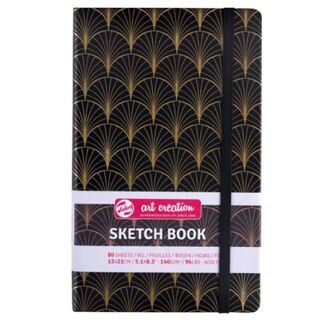
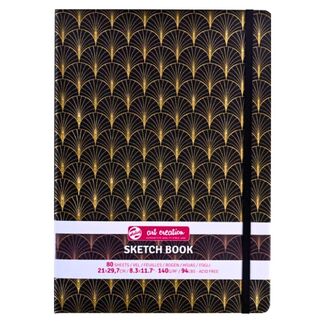
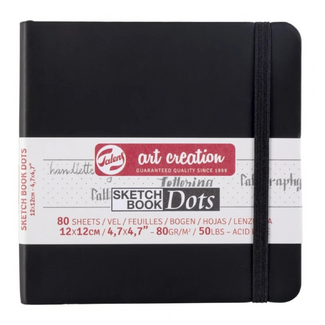
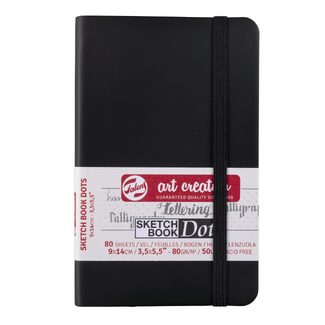
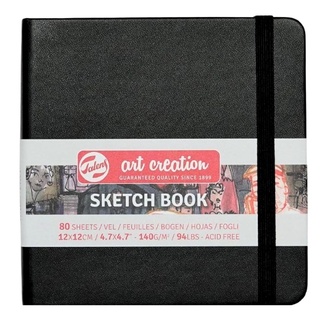
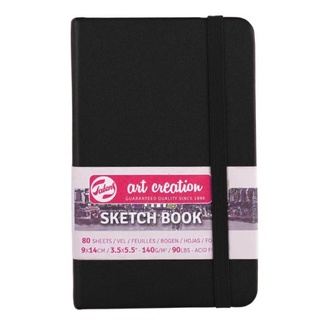

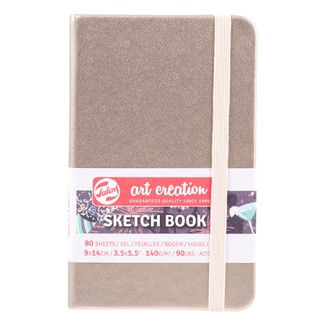
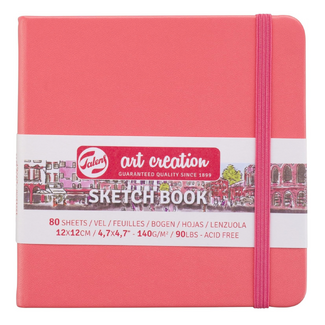
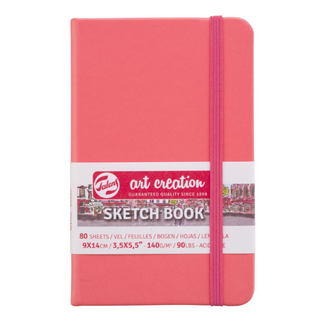
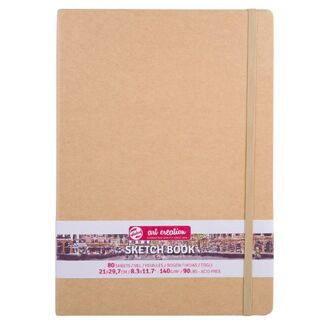
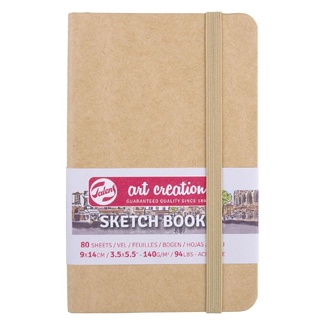
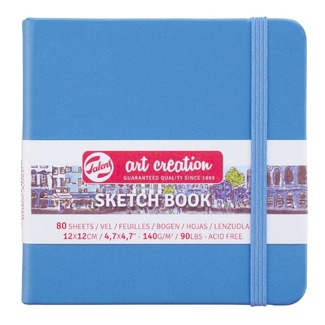
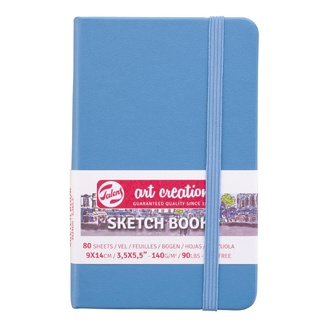
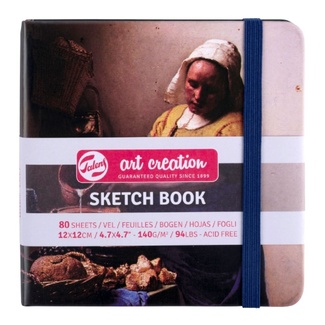
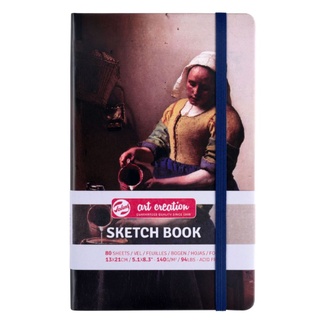
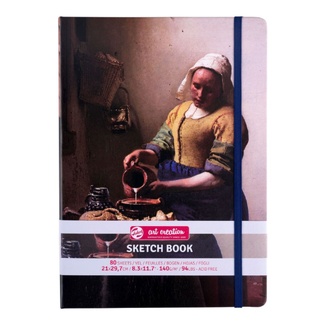
Before choosing a sketchbook, it helps to know what you're actually going to do in it, because that answer changes almost everything else, paper weight, binding, even whether "sketchpad" is the right category at all. Art Shed stocks 170 sketchpads and sketchbooks, and the fastest way through the range is to start with purpose, not size.
What kind of sketchbook do you actually need?
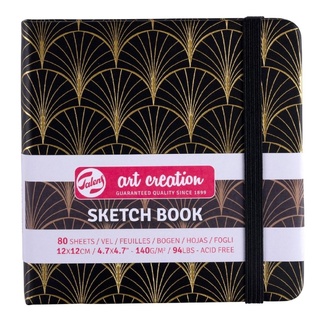
A book for loose, everyday practice, daily figure studies, thumbnails, working out an idea before it's ready for anything more serious, doesn't need expensive paper or a beautiful cover. A cheaper, lighter pad is genuinely the right call here, because the point is volume and freedom to make bad drawings without feeling like you're wasting anything precious. A different need entirely is a keepsake or portfolio-style book: something you're building page by page as a finished collection, where the cover, paper tone, and consistency matter because you intend to keep it, show it, or scan it later. And a third case, easy to overlook, is a book meant to hold mixed media or wet techniques, watercolour washes, ink, heavy collage, which needs a completely different paper spec to the first two.
Matching paper to your medium
Graphite and fineliner pen sit happily on lighter paper, generally 90 to 150gsm, as the surface needs to be smooth enough that ink doesn’t feather and firm enough that pencil doesn’t tear it. Coloured pencil wants 160gsm to 220gsm with a bit more tooth, enough texture to hold multiple layers of pigment without the paper burnishing shiny too early.
Charcoal also benefits from a toothy surface, as that texture gives the loose pigment something to grip. Smooth paper can make charcoal feel slippery and limit how many layers it will hold, while paper that is too rough may make fine details difficult to control. Around 120gsm to 200gsm works well for most charcoal sketching, with heavier paper being helpful for vigorous blending, repeated erasing or finished pieces that need to withstand more handling. A charcoal, pastel or drawing paper is usually the best choice with rich darks, layered shading and strong contrast.
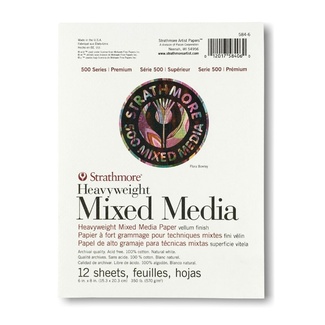
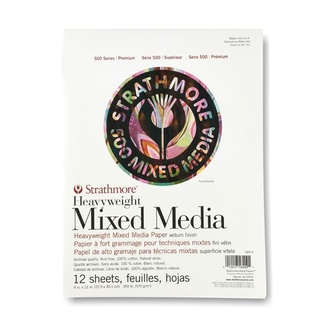
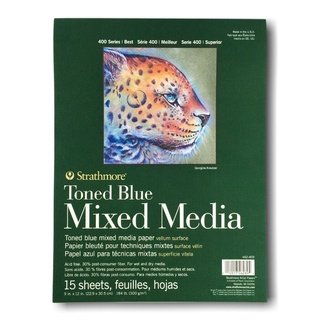
Mixed media and collage are where weight really matters: glue introduces moisture and bulk that a light page can’t absorb without warping so 200gsm or heavier is the realistic minimum once glue enters the picture.
Wet media, watercolour, gouache and ink washes, is a different category, not just a heavier version of the same paper. Regular sketchbook paper is lightly sized, meaning it has less of the coating that controls how much liquid it absorbs, and below roughly 200gsm it will buckle under a wash, sometimes permanently. This sends pigment pooling into low points instead of drying flat. If painting is the actual goal, a dedicated watercolour pad or mixed media pad, rather than a standard sketchpad, is where to look.
Spiral-bound or hardbound?
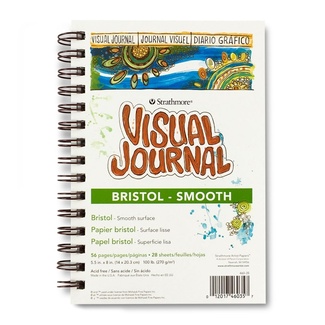
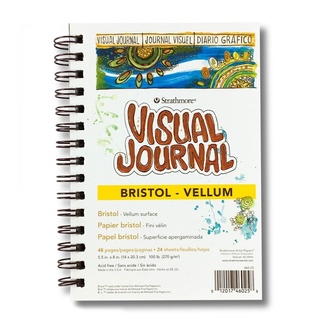
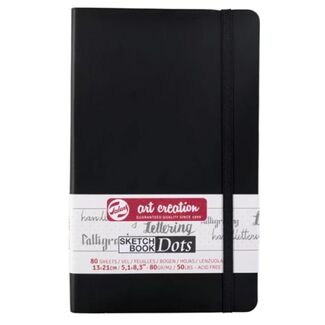
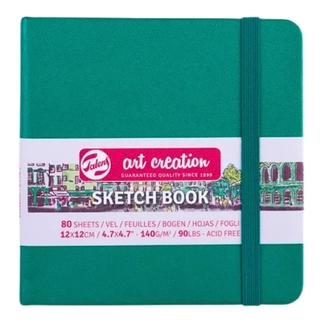
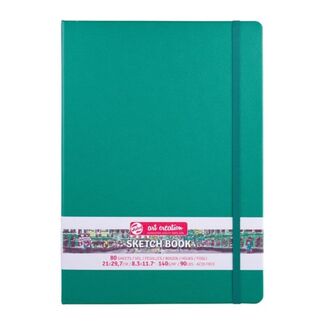
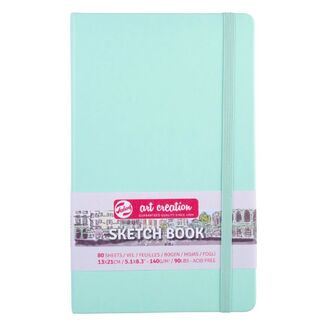
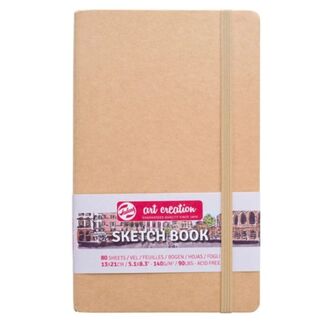
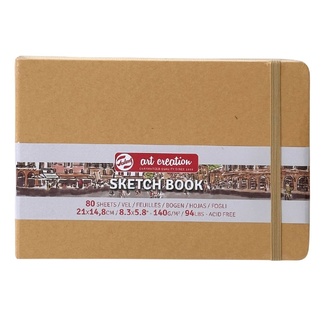
Once the paper spec is sorted, binding is mostly about how you work. Spiral-bound pads lie completely flat and let pages tear out cleanly, which suits daily practice or anything you might want to scan or frame individually. Hardbound visual diaries keep everything permanently bound, which suits a book you're treating as a continuous journal or a portfolio you want to stay intact as one object.
Frequently Asked Questions
I want to use coloured pencils, do I need a special sketchbook?
Not a special one, but look for paper with some visible tooth rather than a very smooth surface, so pigment layers hold rather than sliding off. Weight matters less here than surface texture.
Can I glue things into a regular sketchbook for mixed media work?
Occasional light collage is fine in most sketchbooks, but if gluing is a regular part of your practice, choose a book at 200gsm or heavier, lighter paper will warp, and pages can stick together once wet glue is sandwiched shut.
I want to paint in my sketchbook, am I in the right category?
Only if the pad is specifically labelled for watercolour or mixed media. Standard sketchbook paper below about 200gsm will buckle under a wash, sometimes permanently. If painting is the main use, a dedicated watercolour or mixed media pad will handle it properly.
What's the difference between a spiral-bound pad and a hardbound visual diary?
Spiral-bound pads lie flat and let pages tear out cleanly, which suits everyday sketching. Hardbound visual diaries keep pages permanently bound, better suited to a continuous journal or portfolio you want to stay intact.
What sizes does Art Shed stock?
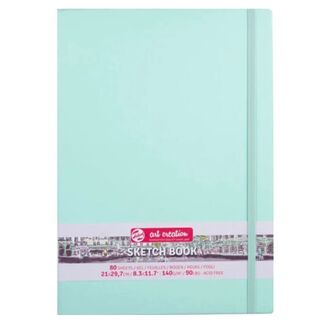
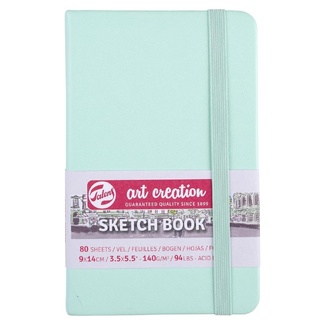
The range runs from pocket and A5 travel formats through to A4 and larger A3 studio pads, covering everything from a book that fits in a jacket pocket to one meant for serious studio sessions.
Is more expensive paper worth it for a beginner?
Not necessarily. For daily practice and skill-building, a cheaper, lighter pad lets you draw freely without precious-paper hesitation. Spending more makes more sense once you're building a body of work you actually want to keep.
How many sketchpads and sketchbooks does Art Shed stock?
170, spanning spiral-bound pads, hardbound visual diaries, and paper suited to graphite, ink, coloured pencil, and mixed media.
Not sure whether you need a sketchpad or a proper watercolour pad for what you've got planned?
Bring it into our Moorabbin store or send us a quick description of the project, and we'll point you at the right shelf.