





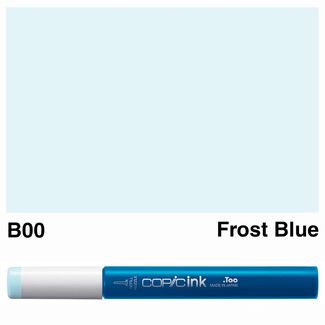
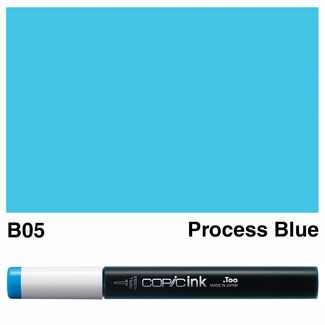
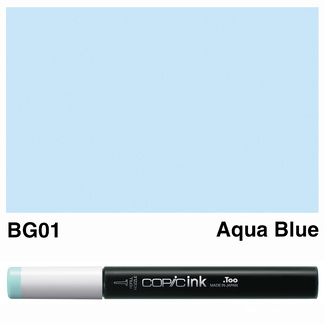
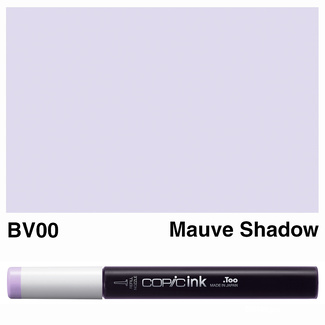
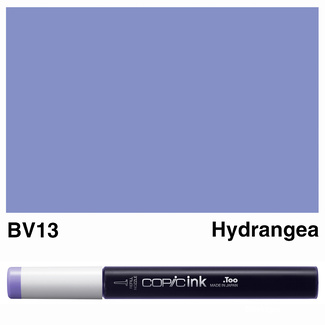
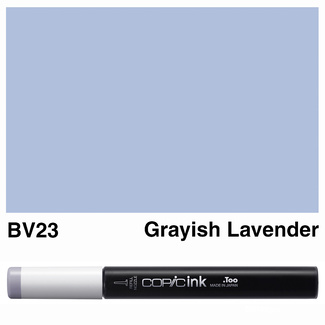
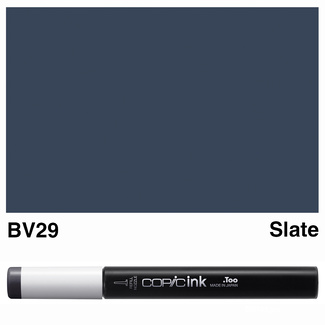
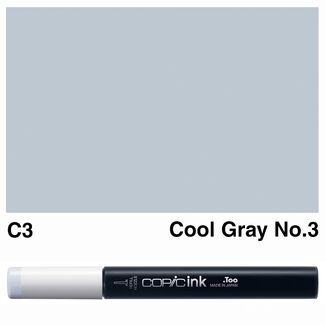
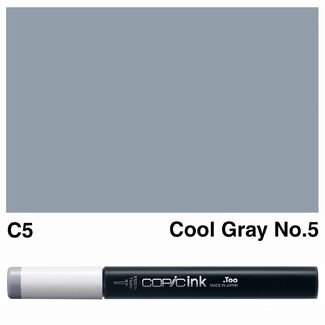
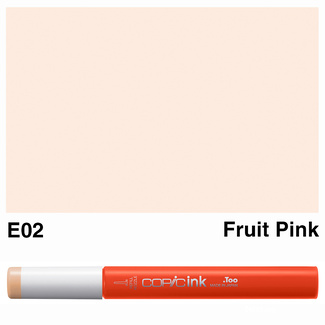
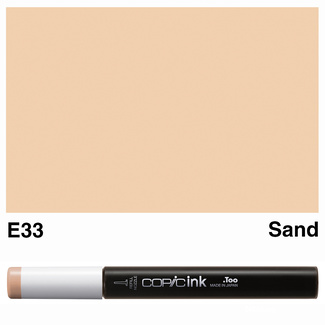
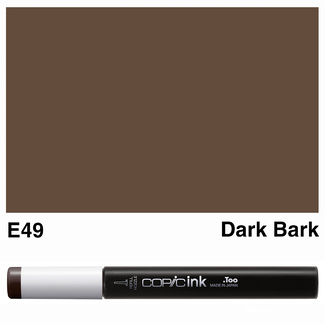
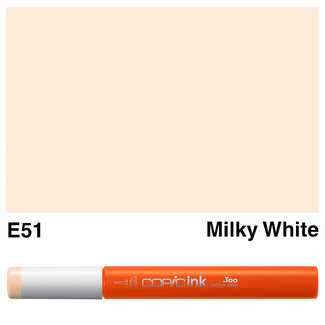
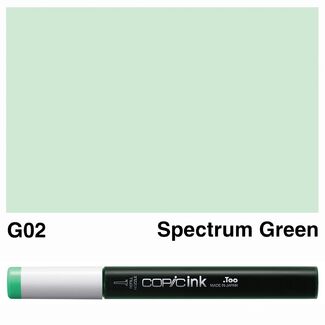
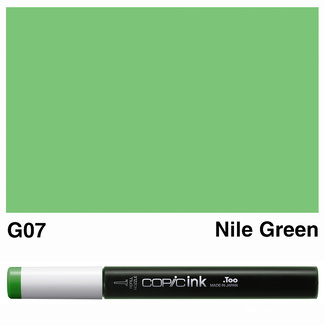
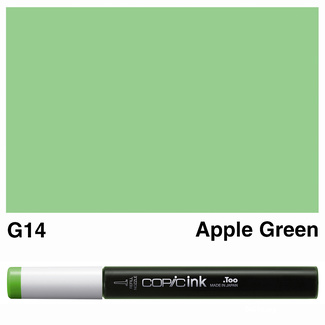
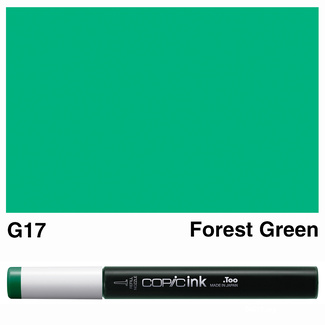
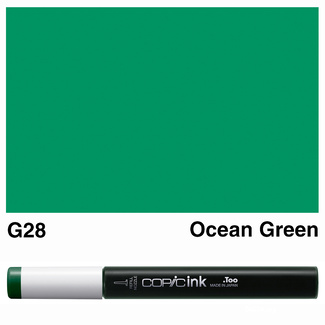
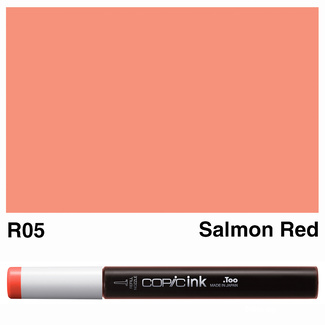
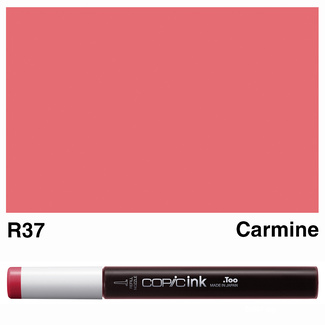
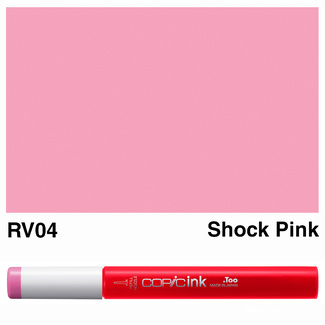
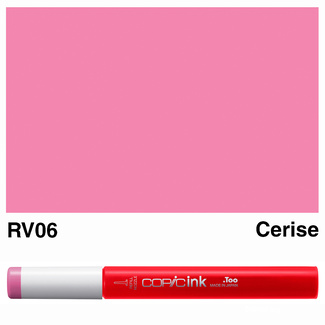
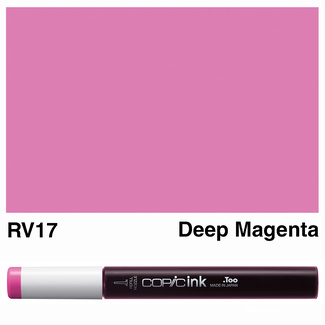
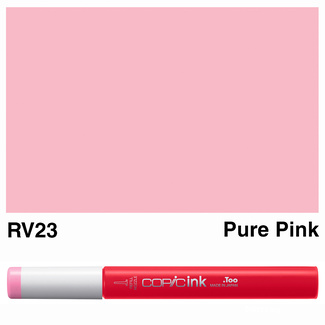
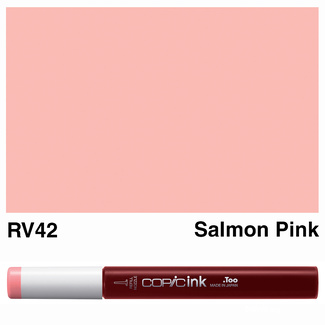
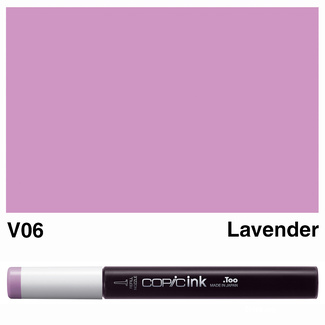
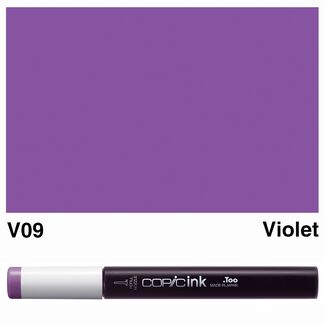
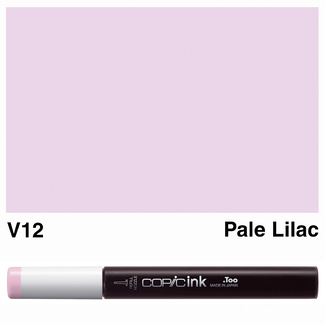
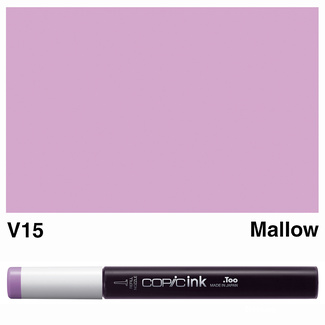
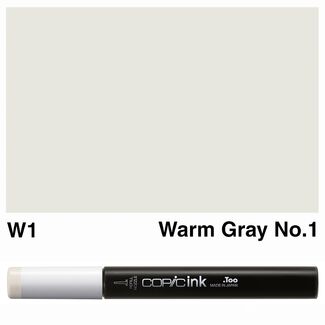
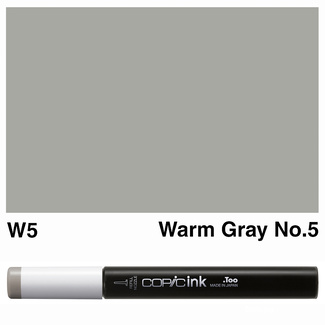
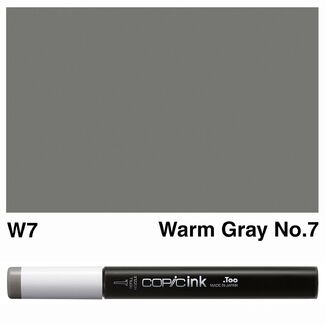
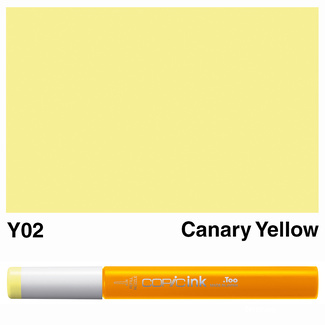
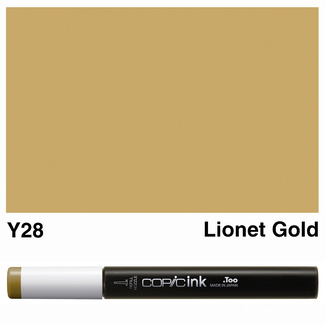
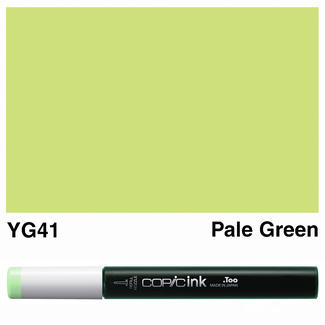
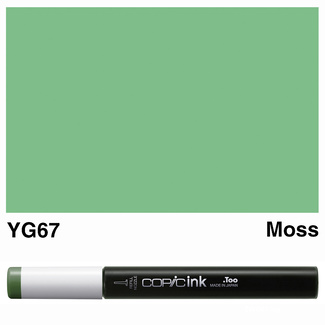
When illustrators, designers and concept artists reach for a "Copic marker," more often than not they mean this range. Copic Original markers, sometimes called Copic Classic internationally, are the professional standard the whole system was built around, with 214 colours covering everything from soft skin tones through to deep architectural shadows.
This is the Original line specifically. Copic also makes the Sketch range for a slightly different working style, which we cover separately over in our Copic Sketch markers section if that's what you're after. Original markers are built for artists who want the widest, most established colour system in professional illustration, backed by decades of use in design studios, architecture firms and manga production. Everything ships fast, Australia wide, and is priced below standard retail.
Professional-Grade Alcohol Markers Built for Illustration and Design
What makes Copic Original a professional-grade marker?
Honestly, the ink is a huge part of it.
Copic's alcohol-based, dye ink is what gives these markers that instantly recognisable feel on the page: smooth, controlled and beautifully consistent. The colour glides rather than drags, layers without immediately turning patchy and gives you the kind of clean, crisp finish that has made Copic such a big name across professional illustration, design and rendering.
There are plenty of alcohol markers out there, but it's the combination of ink quality, controlled flow, colour consistency and precision that has kept artists coming back to Copic for decades. On a suitable marker paper, you can lay down broad areas of colour without fighting obvious streaks, build up shadows gradually and blend neighbouring shades without the ink suddenly dumping into the page or feeling unpredictable.
Then there's the system around that ink. Copic Original is refillable, the nibs are replaceable, and every part is designed to be maintained rather than thrown away. First launched in 1987 with its now-iconic square barrel, an Original marker you bought years ago can simply be refilled, re-nibbed and put straight back into your working kit.
It's less like buying a disposable marker and more like building a proper artist's marker collection.
★ Art Shed Tip
Paper makes a massive difference with alcohol markers. If your Copics are feathering outside your lines or soaking through half your sketchbook, don't immediately blame the marker. Try a smooth paper designed for marker work. You'll generally get much cleaner edges, more predictable blending and you'll waste less ink saturating an overly absorbent sheet.
How does the refill system actually work?
Each marker's barrel holds a reservoir of alcohol-based ink, which you top up using Copic's own ink refills once the colour starts running dry. You don't need to wait until the marker is completely empty either, if the flow starts feeling less juicy or your strokes aren't laying down as evenly as usual, it may simply be time for a refill.
The nibs are separate, replaceable parts too, so a worn, damaged or frayed tip doesn't mean binning the whole marker. It's one of the things artists love about the wider Copic ecosystem: the marker, ink and nibs are designed to work as parts of the same long-term system rather than as a one-and-done product.
★ Art Shed Tip
If your Copic suddenly feels scratchy or looks streakier than usual, don't immediately assume the nib needs replacing. A dry marker can make a perfectly good nib feel rough, so try checking the ink level first.
Why does alcohol ink let you blend and reactivate previous layers?
Alcohol is a solvent. Lay a fresh stroke over ink that's already dried and the alcohol in the new stroke briefly re-dissolves the layer underneath, letting the two blend into a soft gradient rather than sitting as a hard-edged patch. Water-based markers generally don't do this once dry, which is the main reason alcohol markers dominate professional illustration.
What are the two nib types for?
Every Copic Original has a broad nib on one end and a fine nib on the other. The broad nib lays down smooth, even colour across larger areas, while the fine nib handles detail work, linework and tight corners without needing a second pen.
★ Art Shed Tip
Keep your Copics stored horizontally rather than standing them on end. It keeps the ink evenly distributed around the nib, so you get consistent flow the next time you pick one up, even after months in a drawer.
Are Copic Markers Worth It? What You're Actually Paying For
Are Copic markers worth the price compared to cheaper alcohol markers?
For a professional workflow, generally yes, though it depends what you value. Budget alcohol markers have improved significantly and can look similar out of the box. The real difference tends to show up over time, in ink saturation after repeated strokes, and in how consistent a colour looks between one marker and the next.
Why does alcohol ink let you blend and reactivate previous layers?
Alcohol acts as the solvent carrying the colour through the marker. Once you put a stroke down, that alcohol evaporates quickly, leaving the colour behind, but adding fresh alcohol-based ink over the top can briefly soften and reactivate the previous layer.
That little window of movement is what makes techniques like gradients, feathering and layered shadows possible. Rather than every stroke sitting on the page as a completely separate hard-edged mark, neighbouring colours can be worked back into each other while there's still enough solvent present to help them move.
It's also why timing matters when you're blending Copics. Working while the paper is still slightly saturated generally gives you softer transitions, while going back into a completely dry area can create a more defined edge or visible overlap.
Water-based markers behave differently, particularly once a layer has dried, which is one of the reasons alcohol markers have become such a staple for illustration, concept work and marker rendering.
★ Art Shed Tip
For smoother blends, don't be afraid to work back and forth between your colours rather than trying to create the perfect gradient in one pass. Start with your lighter colour, introduce the darker shade, then bring the lighter marker back through the join to help soften the transition.
What actually changes at this price point?
Batch consistency is the big one. Buy the same Copic number five years apart and it should still match, that reliability comes from tightly controlled ink formulation, something budget brands don't always maintain as rigorously. Nib longevity and a colour system used industry-wide, so published palettes and tutorials already assume Copic numbers, round out the difference.
Can Copic markers be blended with other alcohol-based brands like Ohuhu?
To a point. Both use alcohol-based ink, so they'll generally blend on paper rather than resist each other. What isn't guaranteed is an exact colour match between brands, pigment formulations differ, and some artists notice one brand's solvent behaving slightly more aggressively than another when blended directly. Test on scrap paper first if you're mixing brands in one piece.
Building a Collection: Paper, Numbering, and What to Buy First
What paper works best with Copic markers to stop bleed-through?
Regular printer paper lets alcohol ink soak straight through to the page underneath. A dedicated marker paper, like the Fabriano 1264 Marker Pad or Mont Marte Quick Dry Marker Pad, is coated to resist that bleed while still letting colours blend smoothly on the surface.
How does Copic's colour numbering system work?
Every code has three parts. Letters show the colour family (R for red, BV for blue-violet, and so on), the first digit after the letters shows saturation (lower numbers are more vivid, higher numbers more muted), and the remaining digits show brightness (lower is lighter, higher is darker). It looks cryptic at first, but once you know the code you can predict roughly what a colour looks like before you even open it.
Why are there so many similar-looking shades?
Because the system is built on small, deliberate steps rather than a handful of flat colours. The Original range covers 214 of the full 358-colour Copic system, and many of those near-identical shades exist specifically so two colours sit close enough on the saturation or brightness scale to blend seamlessly into each other.
What should I buy first if I'm building a collection?
Start with a small set of E-family (Earth) numbers for skin tones, plus a couple of cool and warm greys for shading, rather than buying broadly across every colour family at once. From there, expand number by number as specific projects call for a colour you don't already have. If you outgrow the Original range's working style, the Copic Sketch line covers the same 358-colour system with a brush nib built for a different technique.
Copic Marker Safety
Copic Original ink conforms to ASTM D-4236, the standard used to assess art materials for chronic health hazards, and is non-toxic under normal use. That said, a few sensible precautions are worth knowing.
- Alcohol-based ink carries a noticeable solvent smell, work in a ventilated space if you're using several markers at once.
- Small caps and nibs are a choking risk for very young children, adult supervision is recommended for kids under school age.
- The ink is permanent once dry and will stain clothing and some furniture surfaces.
- Keep caps on when not in use, both to stop the ink drying out and to keep them away from little hands.
★ Art Shed Tip
For younger kids who want the colouring experience without the alcohol smell or staining risk, a water-based marker is usually the better starting point. Copic can wait until they're old enough to manage the caps and cleanup responsibly.
Copic Original Marker Questions, Answered
Are Copic Original markers refillable, and how does that work?
Yes. Each marker can be topped up using Copic's Various Ink refills once it starts running low, and nibs are sold separately so a worn tip doesn't mean replacing the whole marker. See the refill breakdown above for more detail.
Are Copic markers worth the price compared to cheaper alcohol markers?
For most professional or serious hobby use, yes, the batch consistency and long-term ink saturation are the real difference. If you're just starting out, a cheaper set is a completely reasonable way to learn technique before investing in a full Copic collection.
What paper works best with Copic markers to stop bleed-through?
A coated marker paper such as the Fabriano 1264 Marker Pad or Mont Marte Quick Dry Marker Pad. Regular printer or sketch paper will let the alcohol ink soak straight through to the page beneath.
How does Copic's colour numbering system work, and why are there so many similar shades?
Each code combines a colour family letter, a saturation digit and a brightness digit. The similar-looking shades exist deliberately, they're spaced closely enough on the saturation or brightness scale to blend into each other smoothly rather than being random duplicates.
Can Copic markers be blended with other alcohol-based brands like Ohuhu?
Yes, generally. Both use alcohol-based ink, so they blend on paper rather than resist each other, though an exact colour match between brands isn't guaranteed since the pigment formulations differ.
What's the difference between Copic Original and Copic Sketch?
Original uses a square barrel with a broad and fine nib and covers 214 colours. Sketch uses an oval, roll-resistant barrel with a super brush nib and a medium broad nib, and covers the full 358-colour range. Sketch suits expressive, brush-style rendering, Original suits precise, structured illustration.
Are Copic markers safe for kids to use?
The ink itself is non-toxic and conforms to ASTM D-4236, but the alcohol smell, permanent staining and small nib caps make Copic markers better suited to older children working under supervision than to very young kids. See the safety section above for more detail.
Ready to build your collection? Browse the full Copic Original range below, and pick up a coated marker pad while you're at it, your blends will thank you. Every order ships fast, Australia wide, direct from our Melbourne warehouse.