





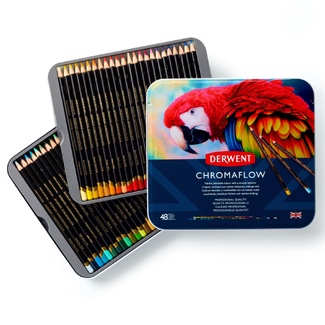
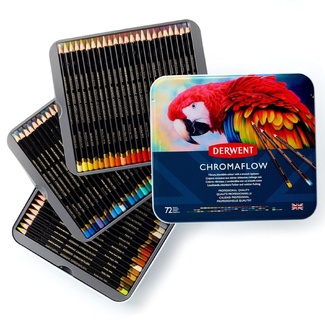
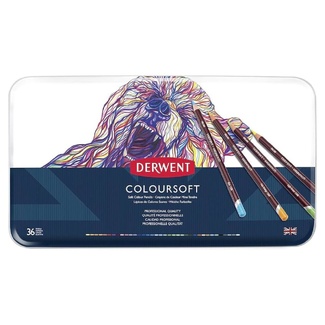
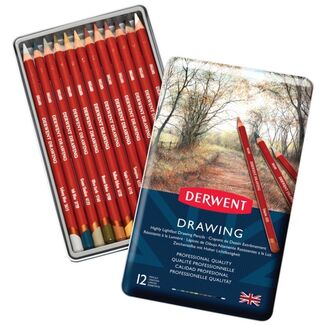
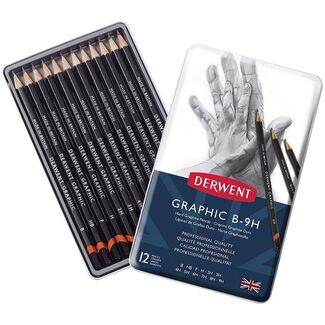
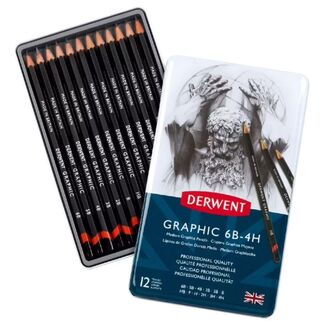
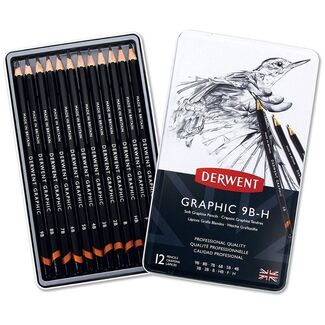
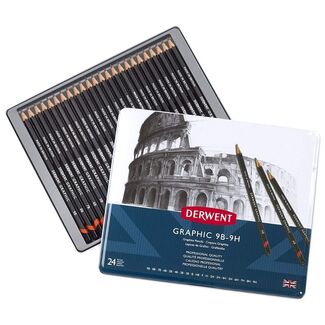
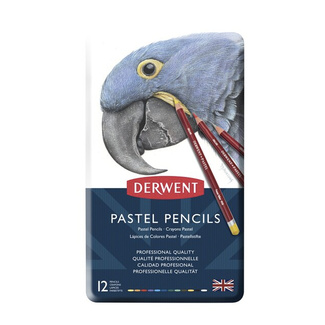
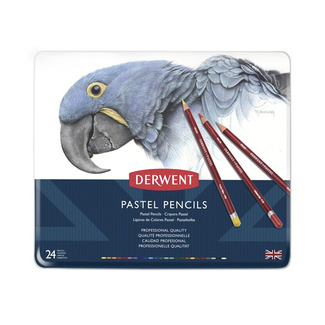
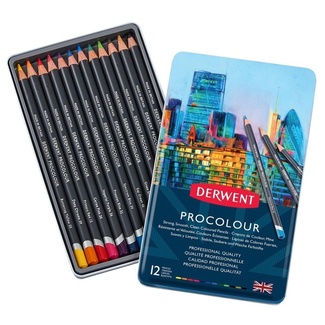
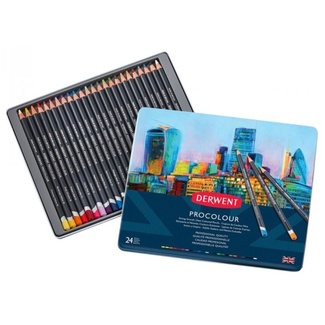
Pencils are deceptively simple little tools. Tiny sticks of pigment and graphite quietly sitting in a tin, pretending they aren’t responsible for architectural masterpieces, Renaissance studies, fantasy concept art, and at least several thousand emotionally intense sketchbook pages worldwide.
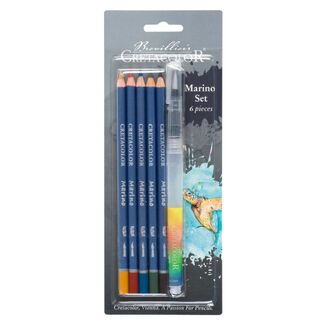
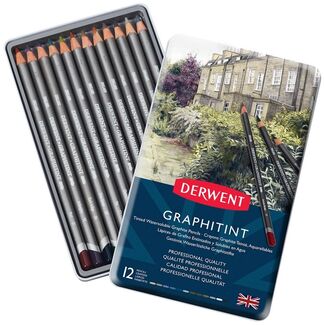
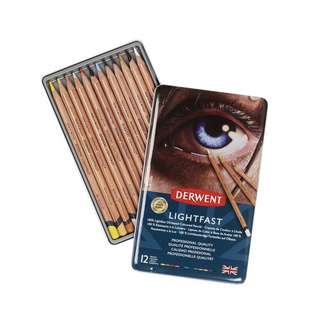
At Art Shed, our collection of art pencils covers everything from crisp technical graphite and velvety charcoal to richly pigmented coloured pencils and watercolour pencils capable of transforming into paint the second water enters the equation.
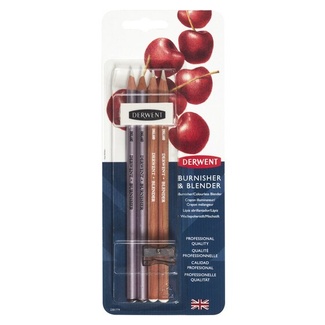
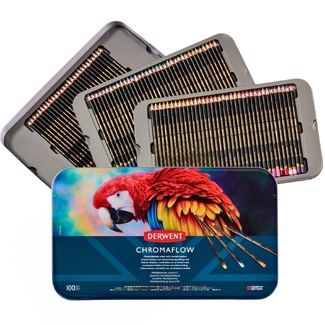
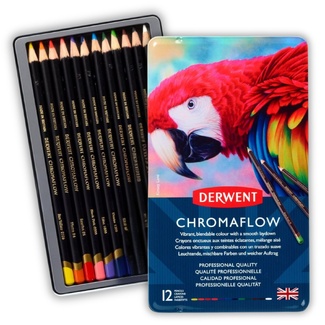
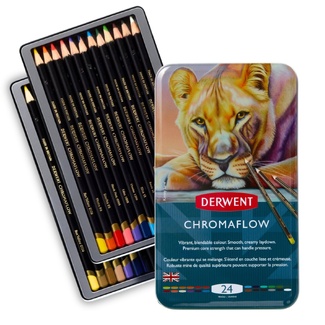
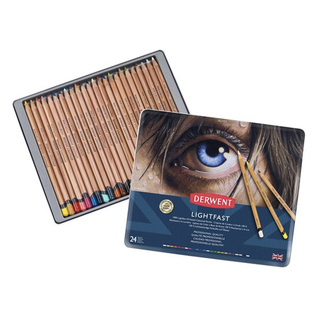
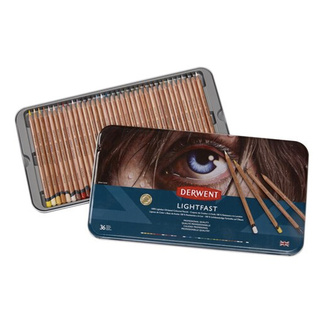
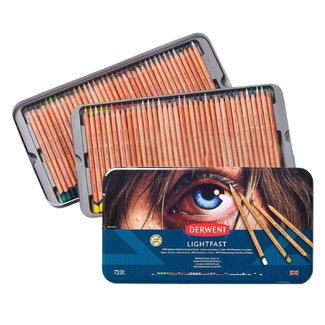
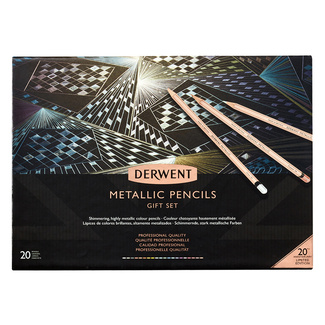
You’ll find trusted artist favourites from Faber-Castell, Derwent, and Staedtler available in both curated sets and individual pencils, making it easy to build the exact drawing arsenal your sketchbook has been begging for.
Find the Perfect Pencil for Sketching, Shading, and Detail
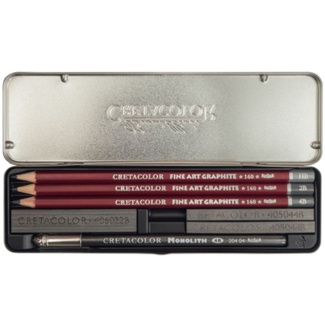
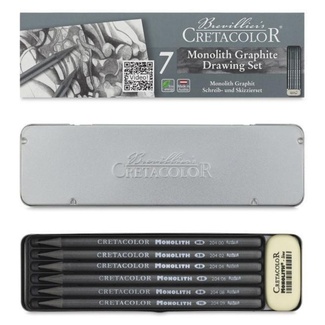
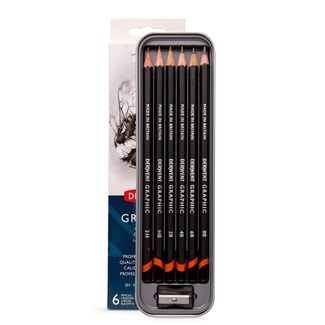
Not all pencils behave the same once they hit the page, and learning the difference feels a bit like unlocking character classes in a role-playing game. Harder H pencils create lighter, cleaner lines suited to technical drawing and controlled detail work, while softer B pencils lean darker, richer, and far more dramatic once shading enters the battlefield. Somewhere around 6B, things usually start getting rowdy.
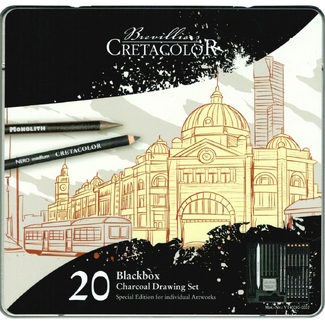
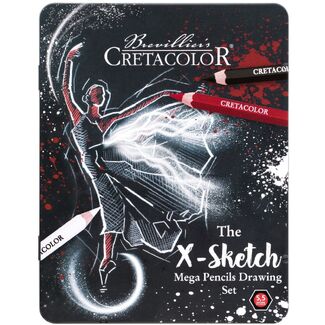
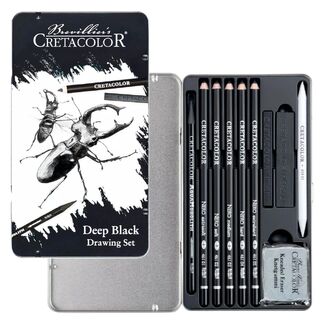
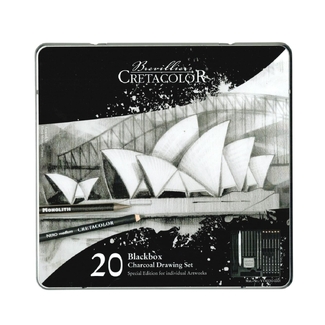
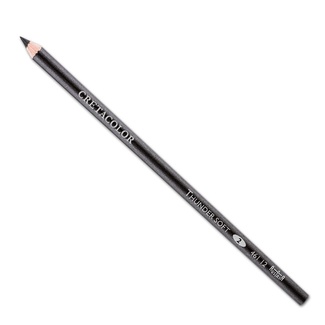
Charcoal pencils push texture and atmosphere even further, producing deep shadows and expressive marks capable of making a simple sketch suddenly look like it belongs inside a nineteenth-century artist’s studio lit entirely by candlelight. Carbon pencils sit somewhere between graphite and charcoal, combining dark matte coverage with sharper control and less smudging.
The choice of pencil changes everything from texture and contrast to the overall emotional weight of the drawing itself. A tiny shift in lead hardness can completely alter how a sketch feels once it starts taking shape on the page.
Professional Artist Pencils in Sets and Open Stock
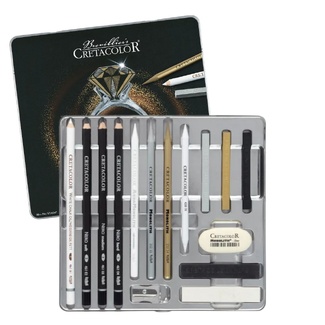
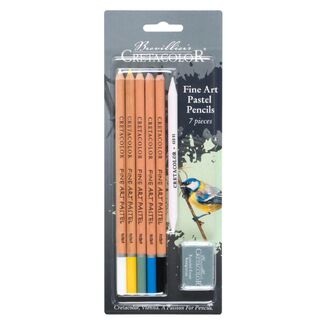
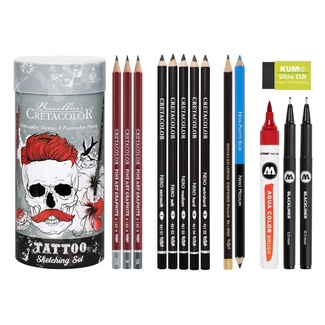
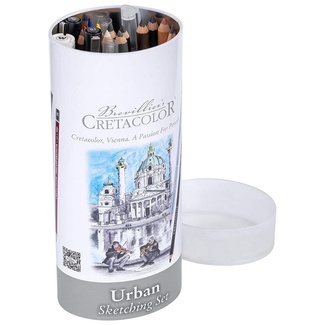
A good pencil set feels a little like opening a treasure chest for artists. Rows of perfectly sharpened graphite grades, coloured pencils organised with precision, charcoal sticks waiting to unleash absolute destruction across clean paper … ooft that’s some gorgeous stuff.
Sets are fantastic for beginners building confidence or artists exploring new mediums without having to assemble every tool individually. At the same time, open-stock pencils make it easy to replace heavily used favourites without buying an entirely new set every time one beloved pencil gets sharpened down into oblivion.
Regardless of price point, quality matters enormously. Stronger cores resist breakage, pigments blend more smoothly, and reliable pencils respond consistently under pressure.
What is the difference between H and B pencil grades?
H pencils are harder and produce lighter lines, while B pencils are softer, darker, and better suited to shading and expressive drawing.
Are watercolour pencils different from regular coloured pencils?
Yes. Watercolour pencils can be activated with water to create paint-like washes and blending effects.
What are the best pencils for a beginner starting with life drawing?
Many beginners start with a small range of HB, 2B, 4B, and 6B graphite pencils for sketching and tonal work.
Can I buy individual pencils to replace specific colours in my set?
Absolutely. Art Shed stocks many pencils individually so artists can replace specific colours or grades easily.
How do I prevent my pencil leads from breaking during sharpening?
Using a sharp quality sharpener and avoiding excessive pressure helps reduce breakage, especially with softer cores.