





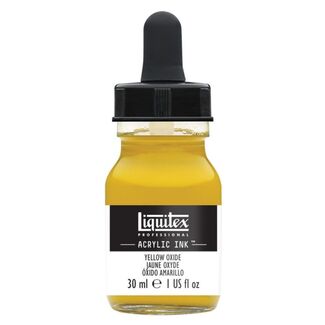
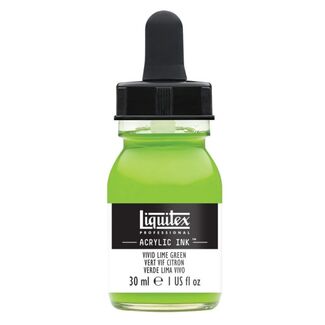
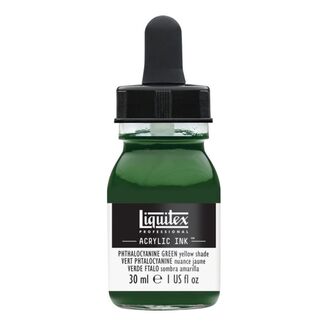
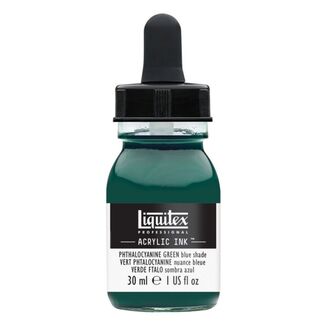
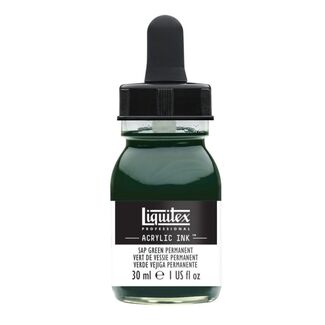
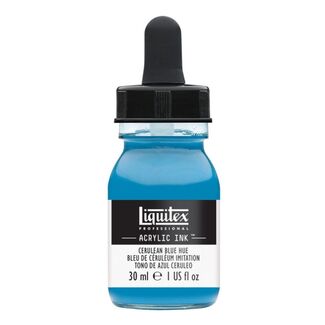
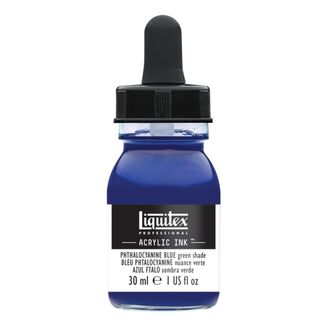
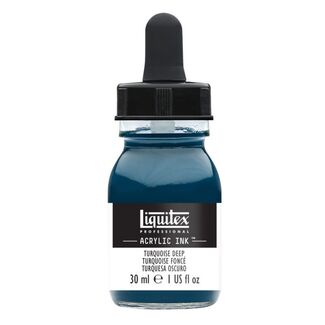
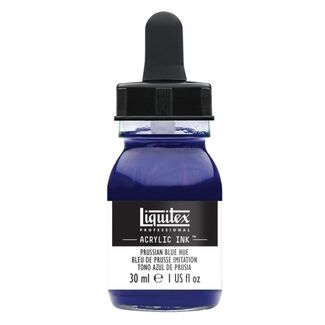
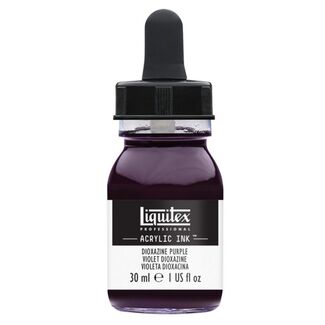
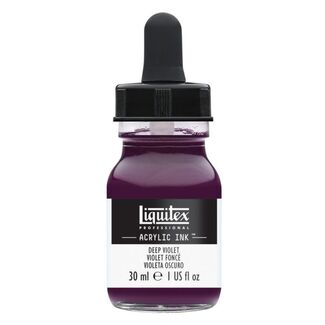
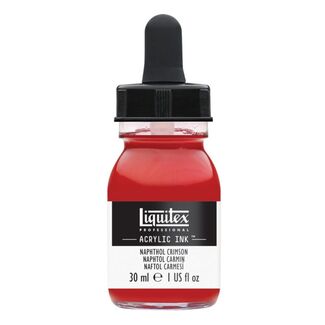
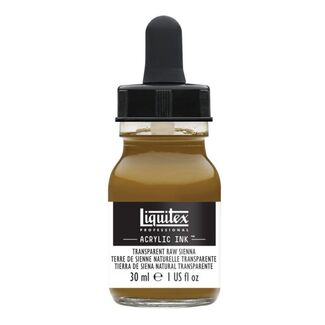
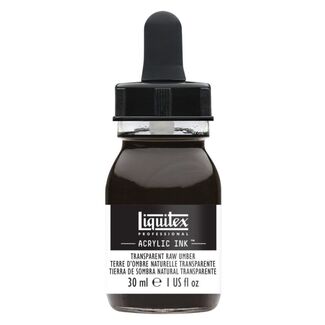
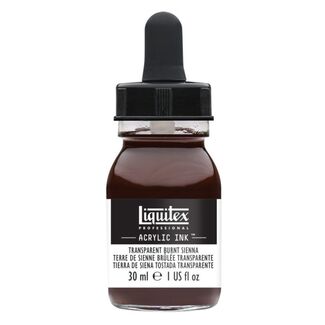
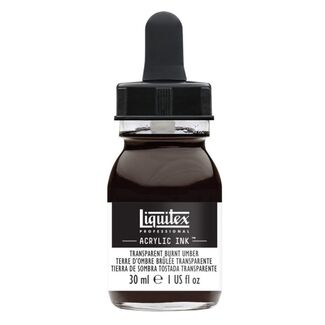
Artist Inks & Liquid Colour
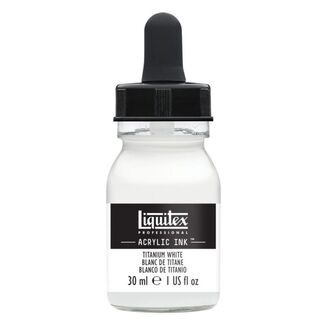
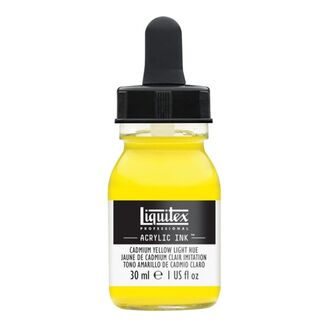
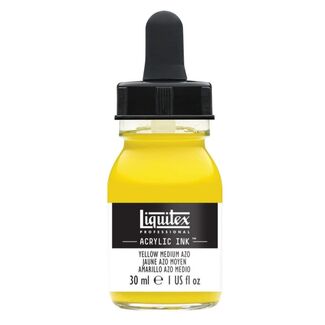
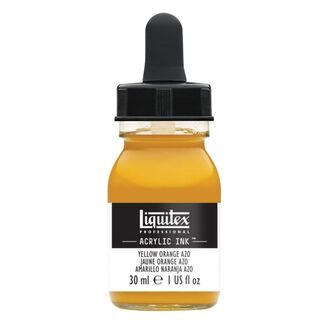
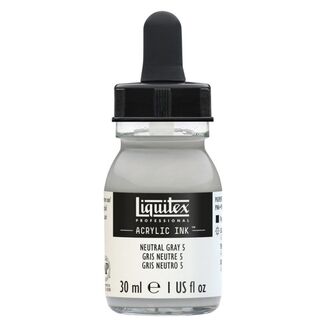
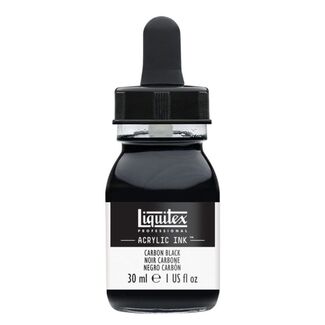
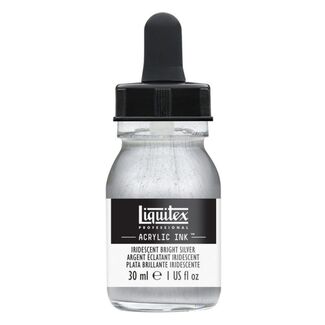
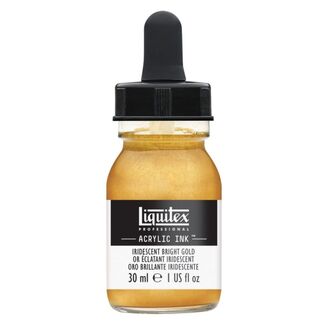
Artist Inks and Liquid Colour offer intense pigmentation, fluid movement and expressive mark-making for contemporary and experimental artwork. This category brings together high-quality inks designed for pouring, layering, line work and spontaneous creative techniques.
Fluid colour for expressive techniques
Unlike traditional paints, artist inks are highly fluid and richly pigmented, allowing colour to flow, blend and interact organically. They’re ideal for artists exploring movement, transparency and depth, whether through controlled application or free-flowing, intuitive processes.
Urban Edit: raw, fluid, experimental
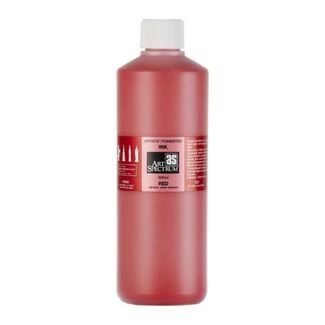
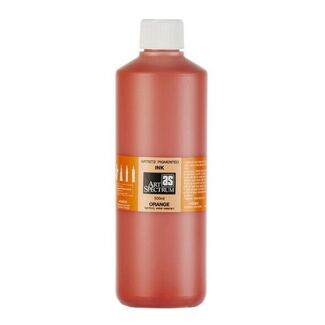
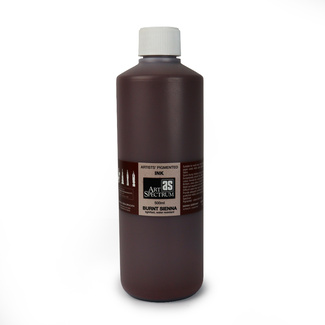
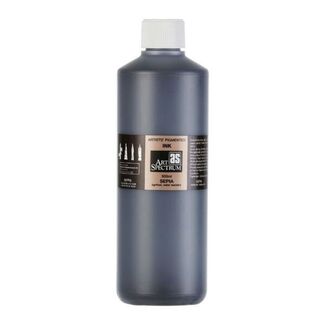
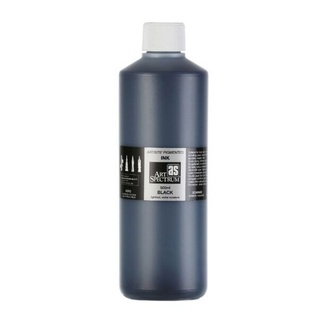
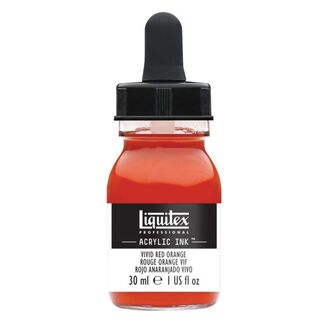
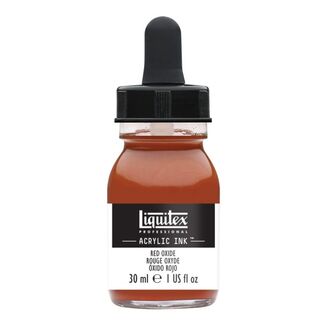
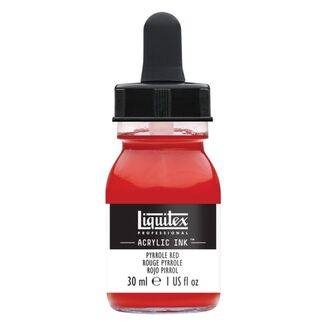
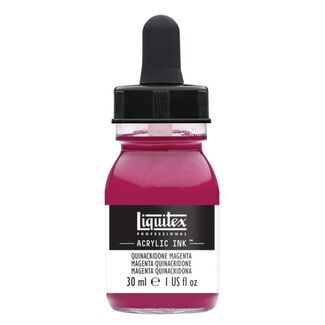
As part of the Urban Edit, this selection of artist inks is curated for bold, contemporary and street-influenced styles. From the professional performance of Liquitex and Amsterdam, to the distinctive character of Art Spectrum, Jacquard Piñata, Couture Creations and Mont Marte, these inks are built for experimentation, layering and expressive colour work.
Why artists choose inks and liquid colour
- High pigment concentration for intense colour payoff
- Fluid consistency ideal for pouring, dripping and flowing techniques
- Layerable and transparent for depth and movement
- Versatile application using brushes, droppers, airbrushes or direct pour
- Compatible with mixed media and acrylic-based workflows
Best suited for
- Abstract, contemporary and experimental artwork
- Pouring, staining and flow-based techniques
- Layered compositions and transparent colour effects
- Artists exploring movement, texture and spontaneity
Frequently asked questions
What are artist inks?
Artist inks are highly pigmented, fluid colour mediums designed for expressive techniques such as pouring, layering, line work and mixed media applications.
Can inks be used with acrylic paint?
Yes. Many artist inks are compatible with acrylic paints and mediums and can be layered or combined in mixed media workflows.
What surfaces can artist inks be used on?
Artist inks work well on paper, Yupo, canvas, boards and other prepared surfaces. Absorbent and non-absorbent surfaces will produce different effects.