





Working in three dimensions opens up a completely different way of thinking about art. Instead of drawing lines or layering paint, sculpting allows you to build form, shape and texture with your hands, transforming raw materials into objects that occupy real space.
At Art Shed, our sculpting and modelling supplies bring together the materials artists rely on to shape everything from detailed miniatures to expressive sculptures. Whether you're experimenting with polymer clay, shaping air-dry projects at home, or building armature-based sculptures, the right materials make the process far more rewarding.
Our collection includes professional clays, modelling compounds, armatures and specialist sculpting tools suited to students, hobbyists and experienced sculptors alike. From jewellery making and character modelling to school projects and therapeutic crafting, Art Shed provides high-quality sculpting materials at accessible prices so creators can bring their ideas into physical form.
Explore Professional Clays and Modelling Compounds
Different sculpting materials behave very differently, and choosing the right one can make a big difference to how smoothly your project develops.
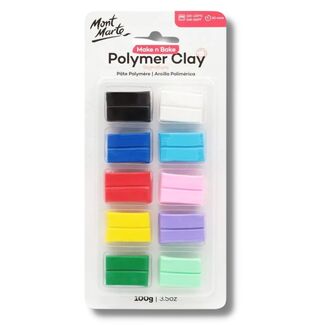
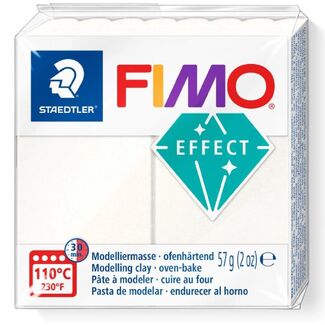
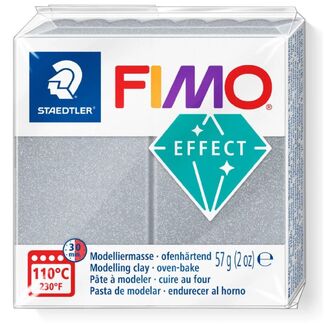
Polymer clay is one of the most popular materials for detailed work. It remains soft and workable until baked in a standard oven, allowing artists to refine small features without rushing. This makes it ideal for jewellery making, miniature sculptures and decorative objects where crisp detail is important. Once cured, polymer clay becomes durable and permanent, which is why it’s widely used in professional craft and small-scale sculpture.
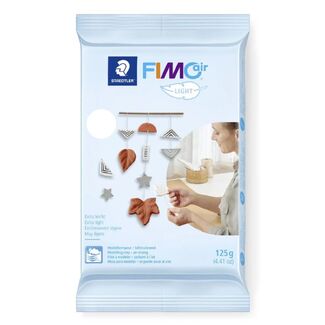
Air-dry clay offers a more convenient option for projects that don’t require baking or kiln firing. As the name suggests, it hardens naturally when exposed to air. This makes it especially useful for classroom projects, beginner sculpting and larger decorative pieces where ease of use matters. Air-dry clay can often be sanded, painted or sealed once dry, giving artists flexibility in finishing their work.
Plasteline and modelling wax serve a different role again. These materials do not fully harden and remain workable indefinitely, which makes them perfect for concept modelling, prototypes and traditional sculpture studies. Because they can be reshaped repeatedly, they’re commonly used when refining forms before casting or mould-making.
Understanding how each material behaves helps artists choose a medium that suits both the technique and the final outcome they want to achieve.
Essential Sculpting Tools for Detail and Texture
While clay forms the foundation of sculpture, the tools you use shape how much detail and control you can achieve.
Loop and ribbon tools are often used for removing clay and refining larger forms. Their curved edges allow artists to carve smooth channels, shape contours and hollow out areas of a sculpture without leaving rough surfaces.
Needle tools are designed for precision. These fine points are ideal for carving delicate details, defining edges and drawing lines directly into the clay surface. They’re particularly useful for character sculpting, miniature work and decorative patterns.
Texture tools, smoothing tools and modelling spatulas help refine surfaces and add subtle variations to the clay. Even simple marks made with a modelling tool can dramatically change how light interacts with the finished piece.
Supporting tools also play an important role in the sculpting process. Armatures provide structural support for larger sculptures, helping maintain balance and prevent sagging as the clay is built up. Modelling stands allow artists to rotate their work comfortably, making it easier to access all sides of a sculpture without constantly handling the piece.
By working with reliable sculpting tools from trusted brands like Mont Marte and Sculpey, artists gain the precision and durability needed to shape clay confidently and develop more refined forms.
Frequently Asked Questions About Sculpting & Modelling
What is the best clay for beginners who don't have a kiln?
Air-dry clay is often the easiest option for beginners because it hardens naturally without needing an oven or kiln. It’s widely used for school projects, home crafting and introductory sculpting.
Can I bake polymer clay in a regular kitchen oven?
Yes. Polymer clay is designed to cure at relatively low temperatures and can be baked in a standard household oven according to the manufacturer’s instructions.
What is the difference between air-dry clay and ceramic clay?
Air-dry clay hardens naturally when exposed to air, while ceramic clay must be fired in a kiln to become permanent and durable. Ceramic clay is commonly used in pottery and traditional ceramics.
How do I prevent my clay sculpture from cracking as it dries?
Cracking often happens when clay dries too quickly or unevenly. Allow sculptures to dry slowly and evenly, and avoid placing them in direct heat or sunlight during the drying process.
Which tools are essential for fine-detail miniature sculpting?
Needle tools, fine loop tools and small sculpting spatulas are commonly used for miniature work because they allow precise carving, shaping and texturing of small features.