





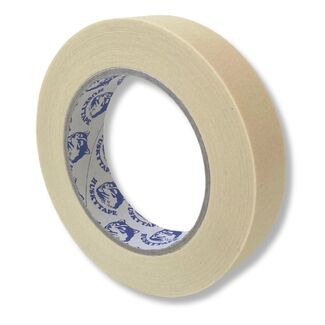
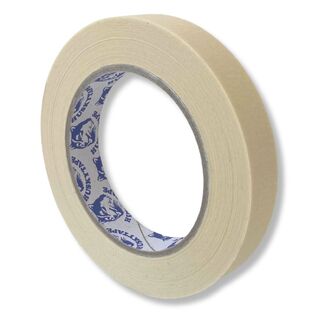
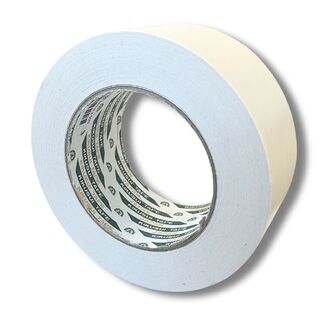
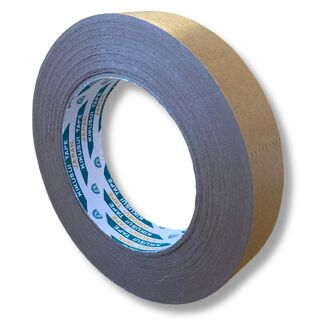
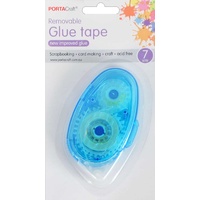
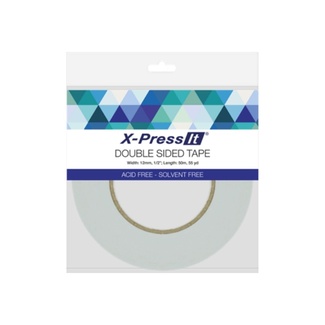
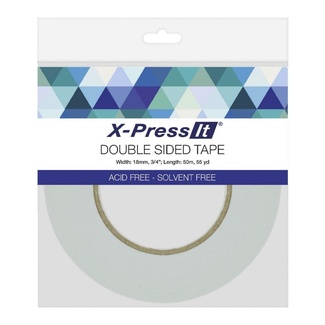
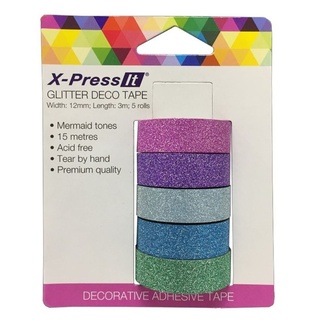
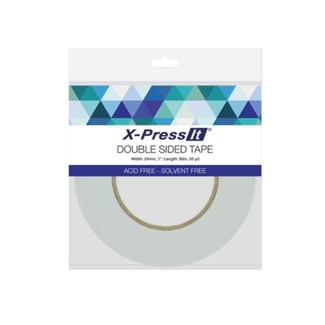
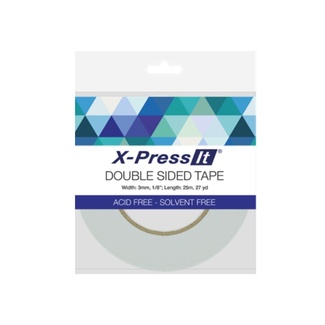
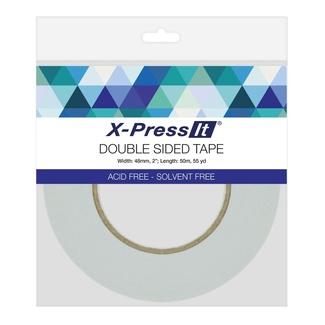
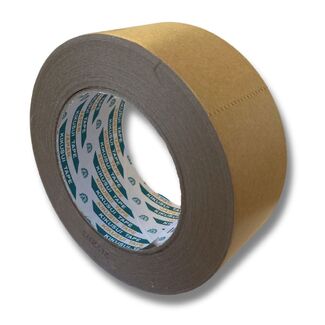
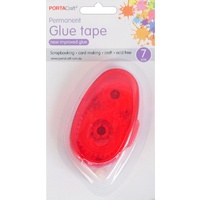
Artist tapes are the unsung heroes of clean edges, sharp borders and mess-free painting. A good tape gives you strong adhesion when you need it, lifts away without residue and works across canvas, paper, walls and studio surfaces. Whether you’re blocking out shapes, securing paper or creating crisp geometric designs, choosing the right width, tack level and material makes all the difference to your final result.
Choosing the Right Tape for Your Painting Projects
The perfect tape depends on your surface and the medium you’re working with. Low-tack tapes are ideal for delicate papers, watercolour blocks and mixed media pads because they grip lightly without pulling fibres when removed. They’re also the safest choice for artists who need repositionable borders or plan to lift and reapply tape multiple times.
High-tack tapes offer firmer adhesion and are better suited to textured surfaces like stretched canvas, primed boards and studio walls. They’re reliable for acrylics and oils, especially when you need sharp, architectural edges or bold blocked-out shapes. Watercolourists often prefer extra-low-tack options to avoid tearing or lifted sizing, while acrylic painters can get away with slightly stronger grip for clean lines and confident masking.
Width matters too. Narrow tapes are perfect for fine borders and detail work, while wider tapes help with framing, blocking large areas or holding sheets in place during heavy washes.
Tips for Getting Perfect Edges Every Time
Professional results start with good application. Press the tape down firmly, especially along the edge where paint will meet it, to prevent bleeding. Use a clean fingertip, bone folder or the back of a palette knife to seal the edge without over-stretching the tape.
When removing, peel slowly at a low angle while the paint is just dry to the touch. Removing too early can smudge; removing too late can cause lifting. For watercolourists or fragile papers, de-tack the tape by lightly pressing it against your clothing before use. On canvas, make sure the surface is primed and fully dry so the tape adheres evenly.
If you’re struggling with bleeding, try switching to low-tack tape on paper, a stronger tape on textured canvas or sealing the tape edge lightly with the background colour before painting your final layer.
FAQs
Can I use painting tape on canvas?
Yes. Use a medium- to high-tack tape for better adhesion on textured surfaces like canvas, and press the edges down firmly for clean lines.
Does painting tape damage paper?
Low-tack artist tapes are designed to lift cleanly from delicate papers. For very soft or heavily sized papers, de-tack the tape on your clothing before applying.
What’s the difference between masking tape and painting tape?
Painting tape is formulated for clean removal and sharper edges, while standard masking tape can leave residue or tear paper. Artist tapes also vary in tack level to suit different surfaces.
How do I get clean paint lines without bleeding?
Seal the tape edge firmly, use the right tack level for your surface and peel slowly at a low angle once the paint is touch-dry.