





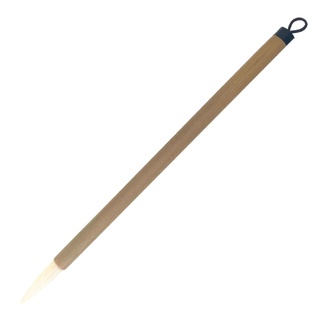
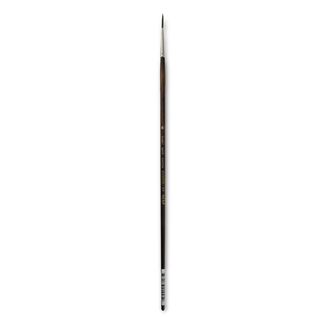
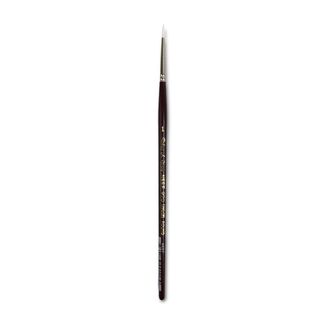
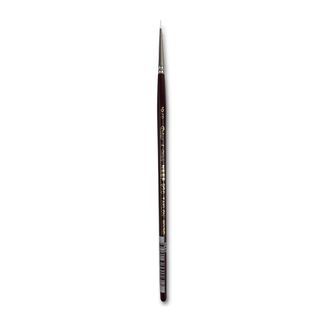
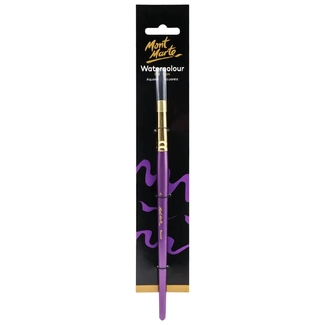
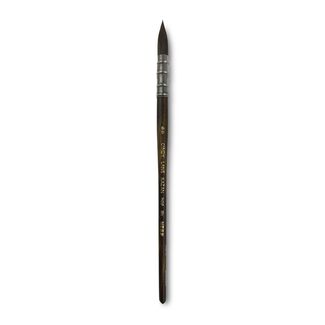
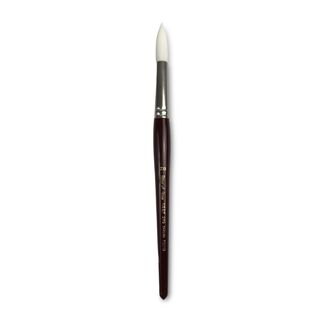
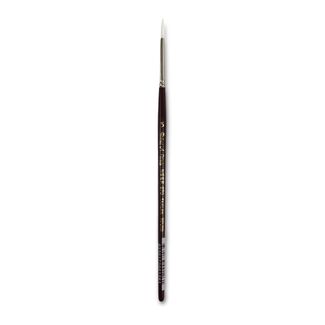
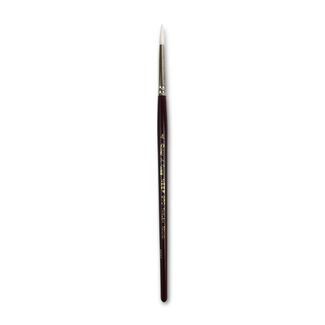
Watercolour painting relies on a level of control that’s very different to heavier mediums. Instead of pushing paint across a surface, you’re working with water, pigment, and timing, which means your brush plays a central role in how everything behaves.
At Art Shed, our range of watercolour brushes is selected to support that balance. These are brushes designed specifically for water-based media, offering the water-holding capacity, responsiveness, and fine point control needed for everything from broad washes to intricate detail work.
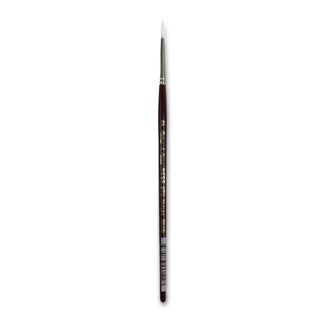
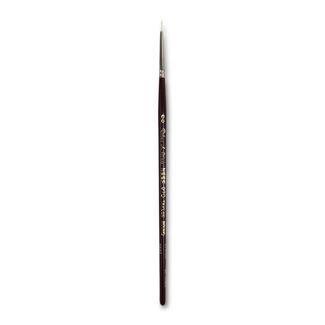
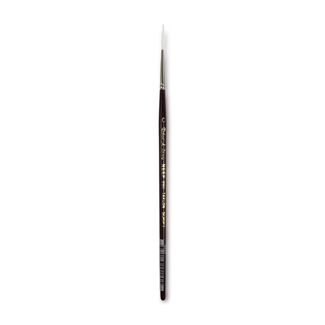
You’ll find a carefully curated mix of premium natural hair brushes, including squirrel and sable, alongside high-performance synthetic alternatives from trusted brands like Neef and Winsor & Newton. Each option brings a slightly different feel to the surface, allowing you to choose based on how you like to paint.
Whether you’re working in traditional watercolour, gouache, or a mix of both, Art Shed offers professional-quality brushes and compact travel sets at fair, accessible pricing, making it easier to build a setup that suits your style.
Superior Water Retention for Seamless Washes and Detail
A high-quality watercolour brush is defined by how it handles water. One of the most important characteristics is often referred to as “thirst”, which is the brush’s ability to hold and release a consistent flow of water and pigment.
Brushes with good water retention allow you to create long, uninterrupted washes, reducing the need to constantly reload and helping maintain even colour across the surface. This is especially important when working on larger areas or building smooth gradients.
Natural hair brushes, particularly those made from squirrel or sable, are highly regarded for this quality. Their softer fibres can carry a significant amount of liquid while still forming a fine, controlled point. This makes them ideal for fluid washes, layering, and subtle tonal transitions.
Modern synthetic brushes, on the other hand, are designed to offer a slightly different balance. They typically provide a more defined spring, meaning they return to shape quickly after each stroke. This makes them well-suited to precision work, controlled edges, and finer detailing, while still offering reliable water flow.
Whether you’re painting loose, expressive landscapes or detailed botanical studies, having a brush that responds consistently allows you to control how the paint moves rather than reacting to it.
Essential Shapes for Every Watercolour Technique
Once you’ve got the right fibre, brush shape becomes the next key factor in how you approach your work. Different shapes are designed to support different techniques, and having a small range can make a big difference in how versatile your setup feels.
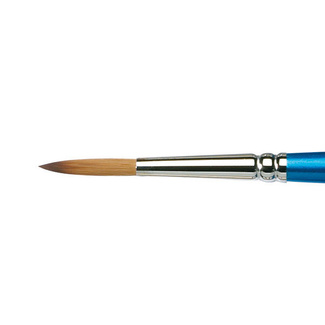
Round brushes are the most commonly used and often considered the foundation of any watercolour kit. They can handle everything from broad strokes to fine detail, depending on pressure and angle, making them a reliable all-rounder.
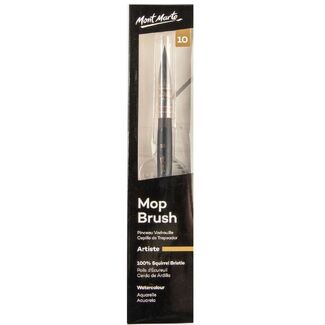
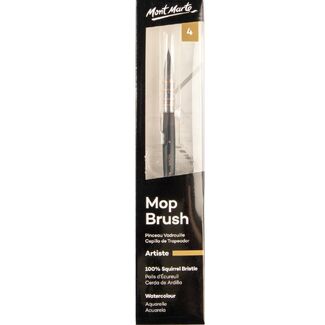
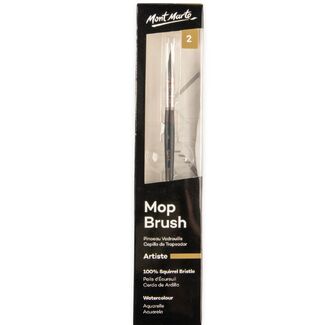
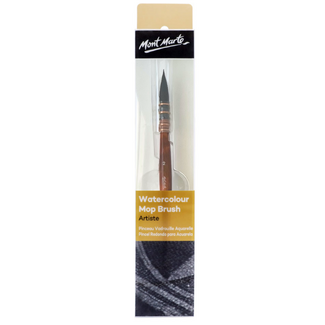
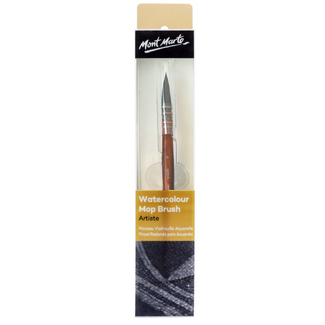
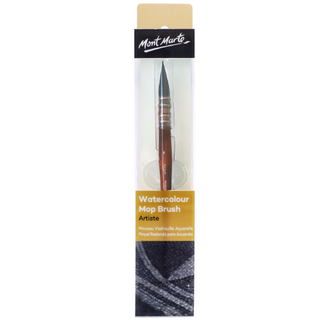
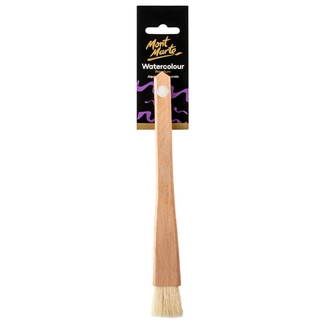
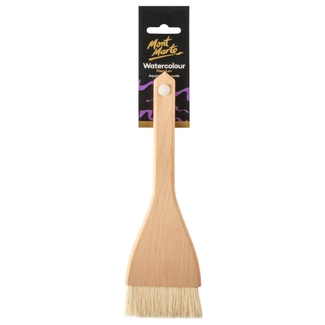
Mop brushes are designed for holding a large amount of water, making them ideal for broad washes, soft backgrounds, and more expressive applications. Their fuller shape allows for smooth coverage without streaking.
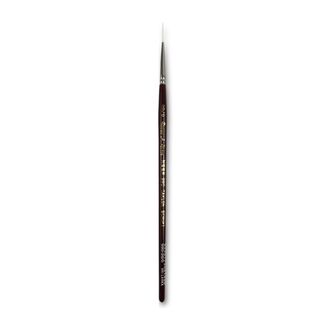
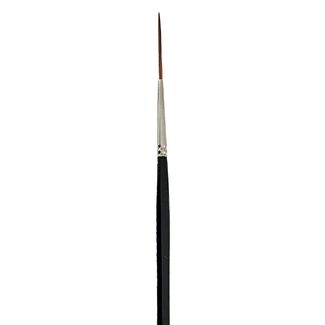
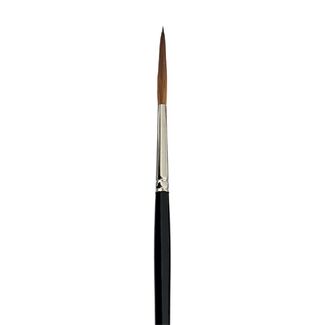
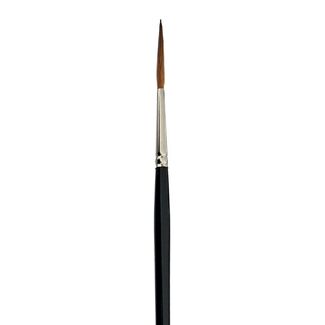
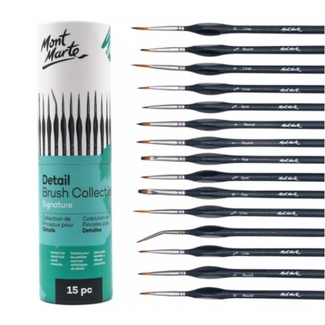
For finer work, riggers or liner brushes are used to create delicate lines, details, and controlled marks. They’re particularly useful for elements like branches, hair, or any area that requires precision without breaking the flow of the paint.
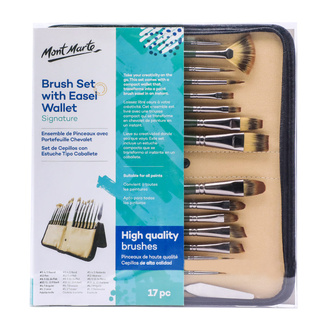
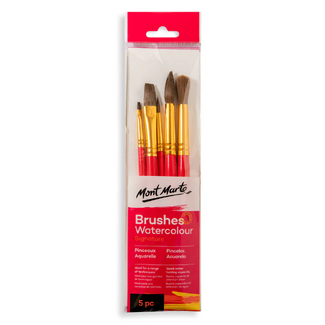
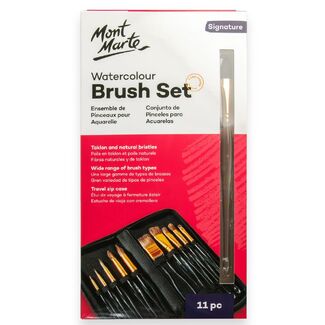
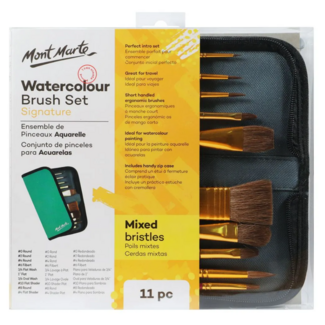
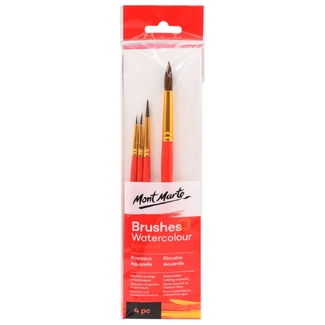
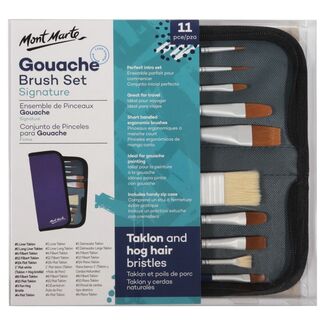
For those starting out or looking for convenience, watercolour brush sets offer a balanced selection of shapes and sizes, making it easier to build a functional kit without overcomplicating the process. For artists who like to paint outdoors, compact travel brushes and pocket sets provide a practical solution without sacrificing performance.
At Art Shed, the focus is on offering brushes that deliver consistent results across all techniques, while keeping them accessible enough for students and hobbyists to build out their collection over time.
Frequently Asked Questions
What is the difference between natural hair and synthetic watercolour brushes?
Natural hair brushes typically offer higher water retention and a softer feel, making them ideal for washes and fluid work. Synthetic brushes provide more spring and durability, which can be better for controlled detail and sharper edges.
Which brush shape is best for painting fine details in watercolour?
Rigger or liner brushes are best for fine details, as they are designed to hold a point while allowing for controlled, continuous lines.
Do I need different brushes for gouache and traditional watercolour?
Not necessarily. Many watercolour brushes work well with gouache, although slightly firmer brushes can help when working with thicker applications.
How do I properly clean and store my watercolour brushes to maintain their shape?
Rinse thoroughly with clean water, reshape the tip while damp, and allow the brush to dry flat or with the bristles facing down. Avoid leaving brushes sitting in water for extended periods.
What is a “Mop” brush and when should I use one?
A mop brush is a large, soft brush designed to hold a high volume of water. It’s best used for broad washes, backgrounds, and soft, flowing applications.