





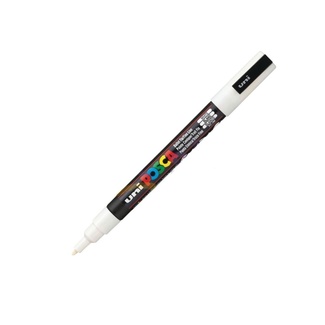
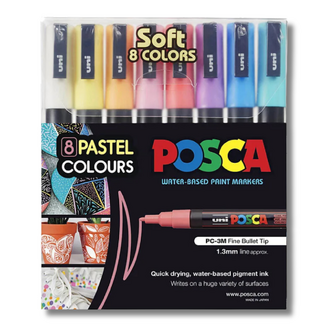
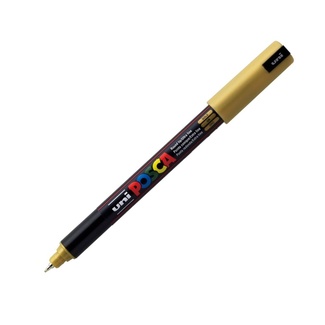
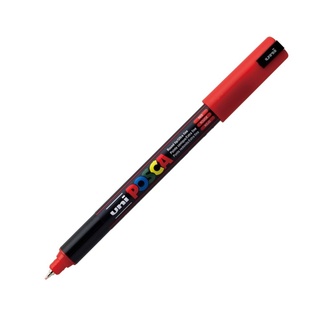
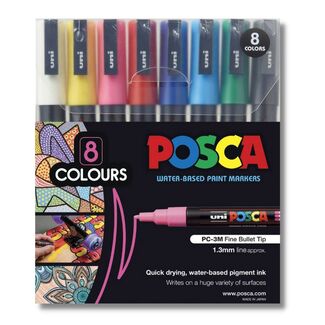
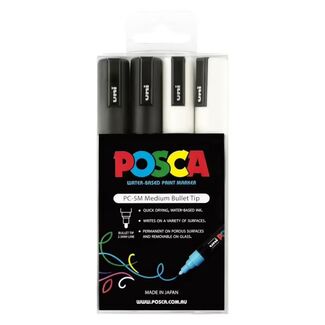
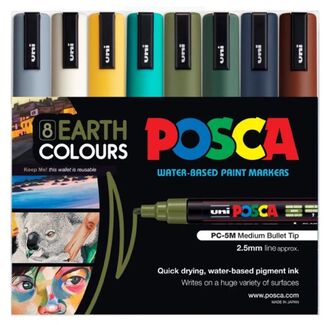
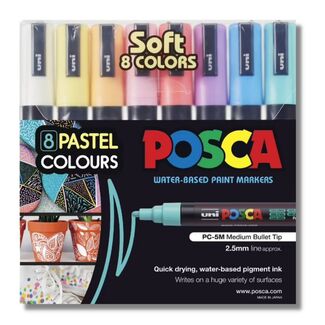
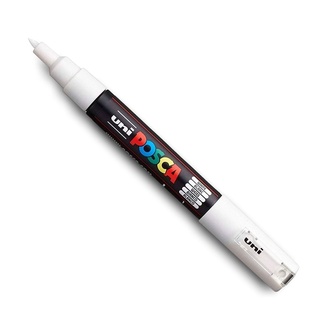
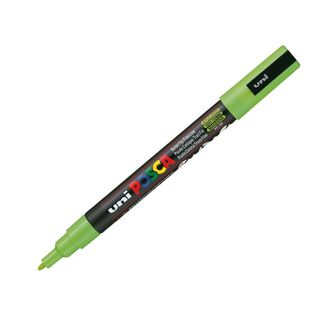
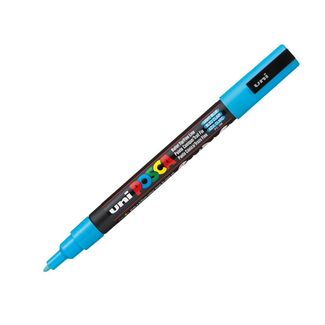
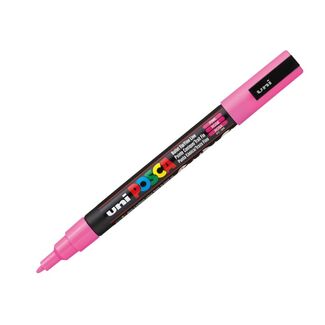
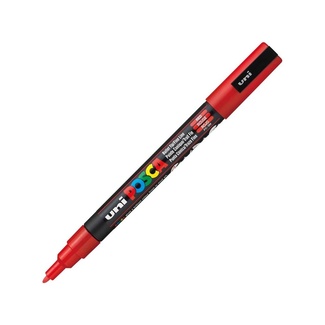
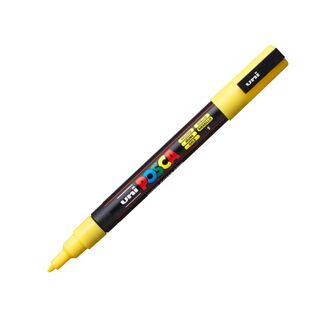
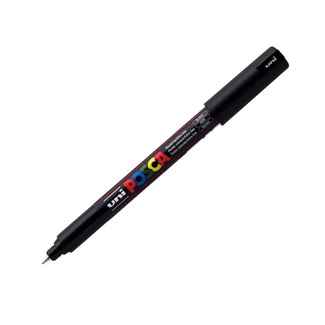
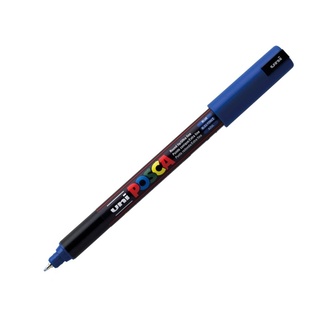
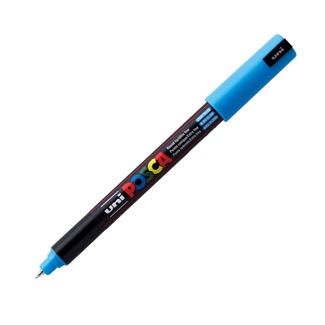
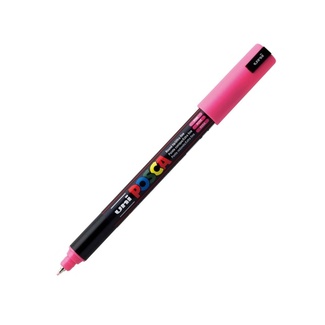
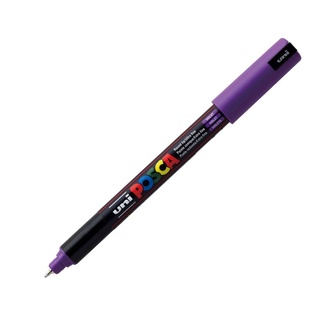
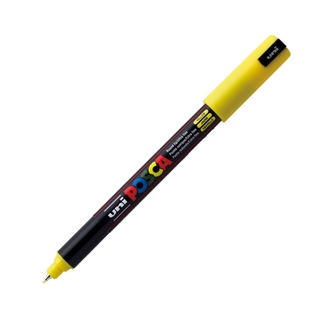
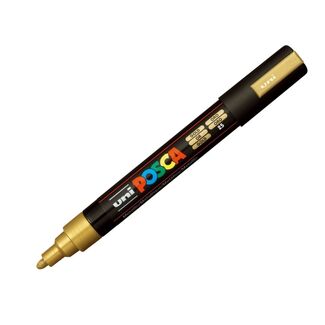
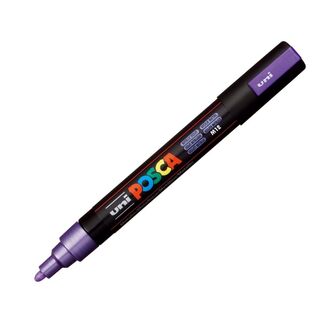
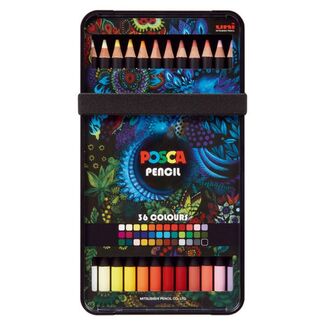
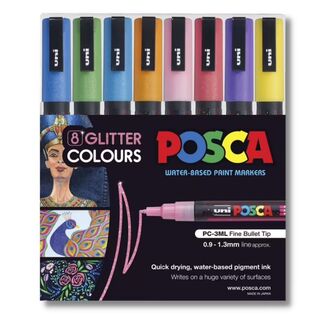
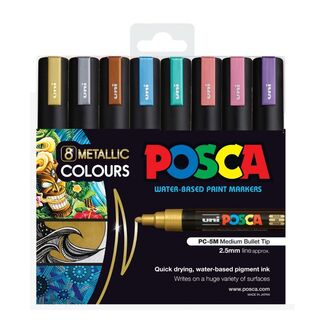
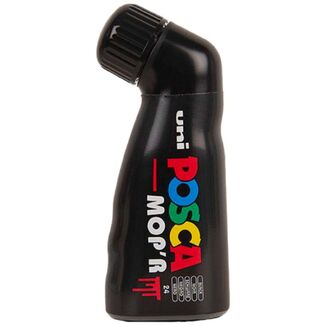
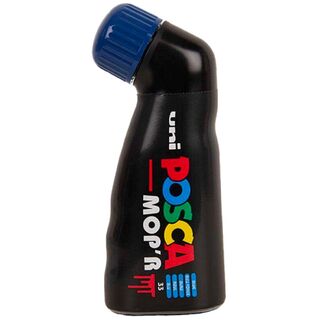
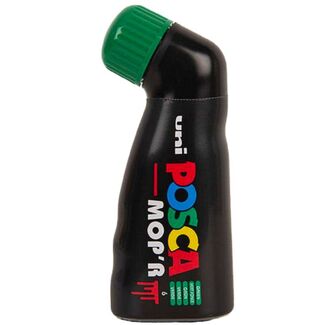
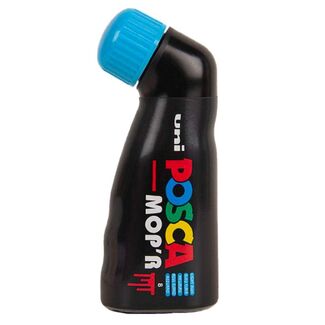
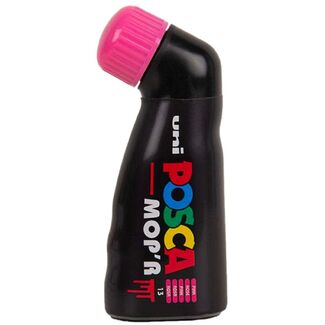
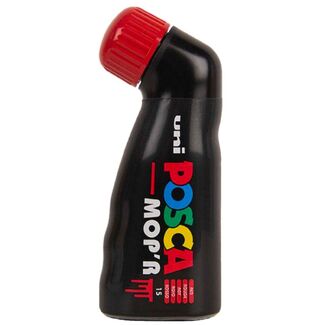
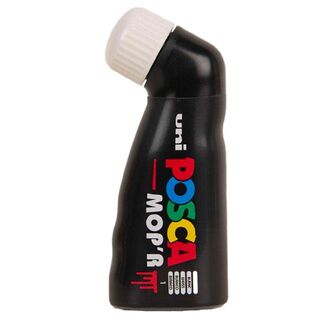
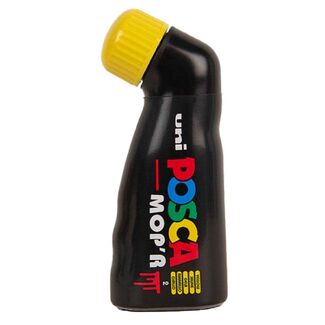
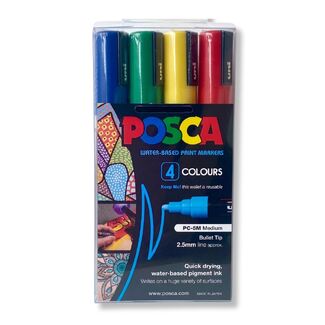
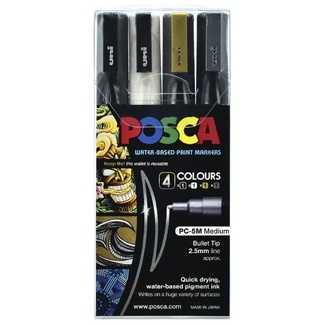
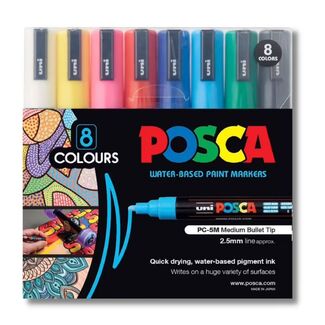
Posca behaves differently to almost every other marker on the shelf, and it comes down to one property: the paint is fully opaque. That single fact changes how you can actually use it, not just how it looks once it's down. Art Shed stocks 167 genuine Posca products across the full nib range, colours, and sets.
Why Posca lets you paint light over dark
With ink, watercolour, and most dye-based markers, you plan light to dark, because a pale colour will never show up over a darker one underneath, the darker colour simply shows through. Posca flips that rule. Because the pigment is opaque rather than translucent, white or pale colours sit solidly on top of black or dark backgrounds and still read clearly. This is exactly why Posca has become the standard tool for illustration on black paper, and for adding fine highlight detail over collage, ink, or acrylic underpainting, techniques that simply don't work with a transparent medium. If you're used to planning a piece light-to-dark out of habit from other materials, this is the one rule to unlearn with Posca.
Choosing a nib for what you're actually making
| Nib | Width | Best for |
|---|---|---|
| PC-1M | 0.7mm | Fine detail, small-format work |
| PC-3M | 0.9 to 1.3mm | Line work, lettering, general use |
| PC-5M | 1.8 to 2.5mm | Colouring, filling medium areas |
| PC-7M | 4.5 to 5.5mm | Bold coverage, large-format work |
| PC-8K | 8mm chisel | Curves, broad area coverage |
| PC-17K | 15mm | Flat colour, backgrounds, murals |
The internal valve-and-piston mechanism is what keeps the paint flowing evenly rather than flooding the tip, press the nib down repeatedly on scrap paper to prime a new marker before use, rather than shaking it.
Surfaces, and why drying time isn't the same everywhere
Posca works on paper, canvas, wood, glass, metal, plastic, and fabric, but it doesn't cure at the same speed on all of them. On porous surfaces like paper or wood, the paint sets fairly quickly to a stable finish. On non-porous surfaces like glass or plastic, it stays workable, and smudgeable, for longer, since there's nothing for the paint to soak into. Handling a glass or plastic piece too soon after finishing is the most common way a clean piece of work picks up a fingerprint.
A nib doesn't mean a new marker
Nibs wear down or dry out with regular use, particularly on rougher surfaces like wood or stone, and it's easy to assume that's the end of the marker. Genuine replacement nibs are available for most Posca sizes, and swapping one takes seconds, pull the old tip, insert the new one, and pump the marker a few times to restart the flow. It's a small thing, but it's the difference between replacing a five-dollar part and replacing the whole marker.
Frequently asked questions
Can I use a light Posca colour over a dark background?
Yes, and this is one of Posca's defining features. Because the paint is fully opaque, pale and white colours sit solidly over black or dark backgrounds, unlike ink or watercolour, which need the darkest tones planned last rather than first.
What surfaces can Posca markers be used on?
Paper, canvas, wood, metal, plastic, glass, and fabric. Porous surfaces like paper and wood dry to a stable finish faster than non-porous surfaces like glass or plastic, which stay smudgeable for longer while curing.
Are Posca markers permanent?
Posca paint is permanent on porous surfaces such as paper, wood, and fabric once fully cured. On non-porous surfaces like glass or plastic, it can be removed while still wet but becomes progressively more resistant to removal as it dries.
What do I do when a Posca nib wears out or dries up?
Replace the nib rather than the marker, genuine replacement tips are available for most Posca sizes, and swapping one takes seconds once you know it's an option.
Which Posca size should a beginner start with?
The PC-5M, at 1.8 to 2.5mm, is the most versatile starting point for both line work and filling colour. Anyone focused purely on fine detail may prefer the PC-1M or PC-3M instead.
How many Posca products does Art Shed stock?
167, covering every nib size, individual colours, and curated sets.