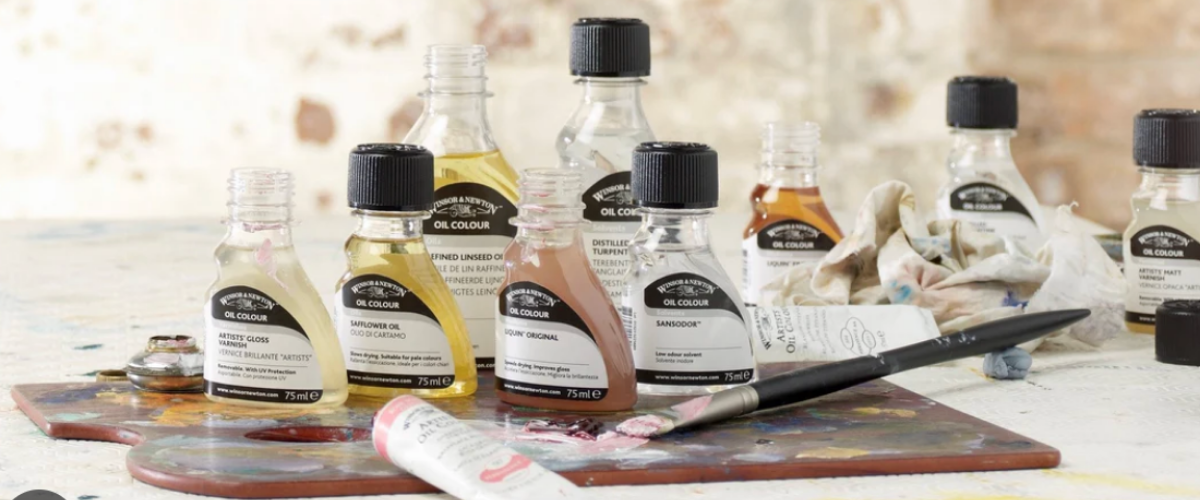


Oil Painting Mediums Explained: What They Do, How to Use Them & Which One You Need
Author: The Art Shed Team Date Posted:20 May 2026
Oil painting mediums are one of those things that can feel wildly confusing at first. You’ve got linseed oil, Liquin, solvents, glazing mediums, wax mediums, water mixables… and suddenly you’re standing there wondering if you need all of them or none of them. The good news? Oil mediums are far less scary once you understand what they actually do.
Put simply, oil painting mediums are additives mixed into your paint to change how it behaves. They can make paint glide more smoothly, dry faster, stay wet longer, become glossier, appear more transparent, build texture, or even make your painting setup safer and lower in fumes. They’re less about changing the paint itself and more about changing how you work with it.
There’s no single “best” oil medium, only the best one for the effect you’re trying to create. Some artists want silky blending and rich colour depth, while others need faster drying times, textured finishes, or a low-tox setup for painting indoors.
This guide breaks down the major types of oil painting mediums. We’ll walk through what each one does, when to use it, and how it fits into your workflow so you can build a setup that works for your own personal style.

Inside we'll cover:
-Solvents and odourless thinners
-Linseed oils and traditional oil additives
-Painting mediums for flow, blending, and control
-Fast-drying mediums like Liquin
-Eco-friendly and low-tox options
-Water mixable oil mediums
-Specialty mediums for glazing, texture, and surface effects
-Brush cleaners and studio cleanup
-Varnishes and final protection
-Beginner FAQs
Whether you’re just starting with oils or refining your process, this guide will help you understand what each medium actually does, and which ones deserve a spot in your painting kit.
Quick Guide: Jump To The Section You Need
-What is an oil painting medium?
-Understanding fat over lean
-Solvents for oil painting
-Linseed oils explained
-Painting mediums explained
-Liquin and fast-drying mediums
-Eco-friendly and low-toxic oil painting mediums
-Water mixable oil mediums
-Specialty oil mediums artists love
-Brush cleaners and studio cleanup
-Oil painting varnishes explained
-Which oil painting medium should I choose?
-Frequently asked questions
If you’re new to oil painting, the word medium can sound way more technical than it actually is. It’s easy to assume a medium is just another type of paint, or something only professional artists bother with. In reality, oil painting mediums are simply products you mix into your paint to change how it behaves on the surface.
Think of oil paint as your base ingredient, and mediums as the extras that customise the experience. The paint gives you colour and pigment, while the medium changes things like texture, drying time, transparency, gloss, thickness, and movement.
Oil paint straight from the tube already contains pigment mixed with oil, usually linseed oil. You can absolutely paint with it exactly as it is. In fact, plenty of artists do. But mediums give you more control. They let you tweak the paint to suit your style, your technique, and the result you’re trying to achieve.
Want smoother blending? There’s a medium for that. Need faster drying between layers? Covered. Trying to create luminous glazes, thick texture, or softer brushstrokes? That’s where mediums become your best mate in the studio.
One of the biggest beginner confusions comes from the fact that people often use the words solvent, oil, and medium almost interchangeably. They’re related, but they’re not the same thing.
A solvent is designed to thin paint and clean brushes. Oils are used to increase flow, richness, and open working time. Painting mediums are usually blends of oils, resins, or solvents that create a specific effect. Then you’ve got specialty products like Liquin, wax mediums, glazing mediums, and varnishes, all doing slightly different jobs.
If you paint without any medium at all, there’s nothing wrong with that. Tube paint alone works beautifully. But you may notice the paint feels thick, drags across the surface, dries slowly, or doesn’t always behave the way you want. Mediums simply give you more flexibility and more control over your process.
.png)
To make things easier, here’s a quick cheat sheet breaking down the main types of oil painting mediums and what they’re actually used for.
| Medium Type | Main Purpose |
|---|---|
| Solvents | Thin paint, clean brushes, create lean underpainting |
| Oils | Improve flow, gloss, blending, and working time |
| Painting Mediums | Adjust drying time, body, transparency, and handling |
| Liquin | Speed up drying while improving flow |
| Wax Mediums | Create matte texture and thicker body |
| Glazing Mediums | Increase transparency and colour depth |
| Brush Cleaners | Clean brushes and remove paint safely |
| Varnishes | Protect the finished painting and unify sheen |
Once you understand what each category does, oil mediums stop feeling like a confusing shelf of mystery bottles and start feeling like tools you can actually use with purpose.
If there’s one oil painting rule worth learning early, it’s fat over lean. It sounds technical, maybe even a little intimidating, but it’s actually a simple principle that helps oil paintings stay stable and avoid cracking over time.
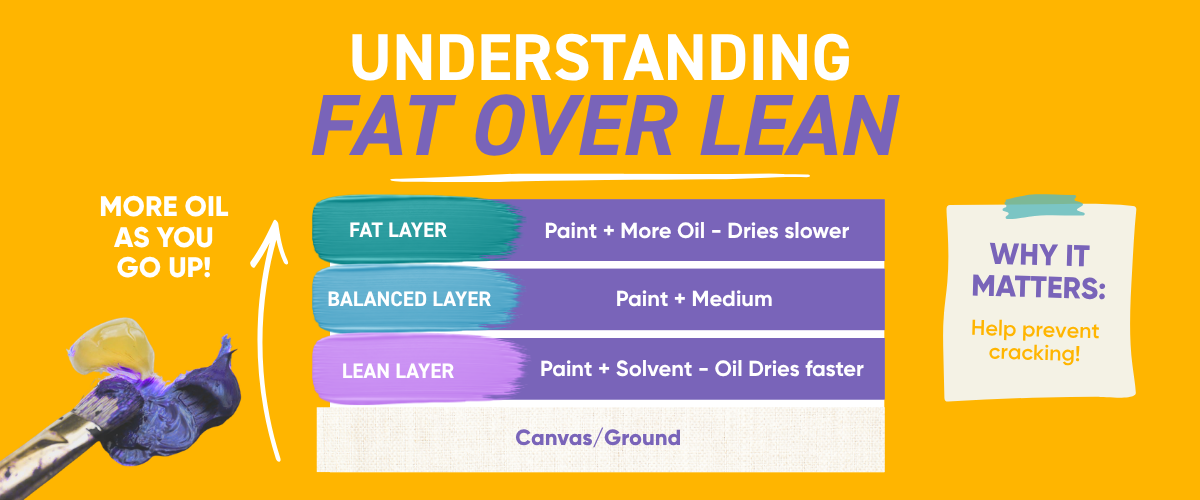
Fat over lean refers to how much oil is present in each layer of your painting. In oil painting, “lean” means less oil and faster drying, while “fat” means more oil and slower drying. The general rule is that each new layer should contain slightly more oil than the one underneath it.
Unlike acrylic paint or watercolour, oil paint doesn’t dry by evaporation. It cures slowly through oxidation, meaning it hardens gradually as it reacts with air. Some layers dry faster depending on the amount of solvent or oil used, which is where layering becomes important.
A simple way to picture it is like icing a cake before the sponge underneath has fully baked. The surface may look finished, but underneath things are still shifting. Over time, that tension can lead to cracking, wrinkling, or instability.
.png)
Why Fat Over Lean Matters
Lean paint layers dry faster and create a stable base. Fat layers stay flexible for longer, making them better suited to later stages of a painting. When you layer oils correctly, the painting cures more evenly and remains structurally sound.
If you apply a fast-drying layer over a slower-drying one, the surface can harden while the paint underneath is still moving. This mismatch in drying time is one of the main causes of cracking in oil paintings.
.png)
What Counts as Lean or Fat?
Lean mediums are lower in oil and often contain solvents, helping paint dry faster and spread thinly. These are commonly used during early painting stages.
Lean options include:
- Solvents and odourless thinners
- Mineral spirits
- Turpentine
- Lean painting mediums
Fat mediums contain more oil or resin, which increases flexibility, richness, gloss, and blending time.
Fat options include:
- Linseed oil
- Stand oil
- Safflower oil
- Rich painting mediums
- Glazing mediums
.png)
How To Layer Oil Paint Properly
A good oil painting workflow usually follows a gradual shift from lean to fat.
Early layers are typically thinner and faster drying, helping establish composition and colour placement. Middle layers become more balanced, allowing for refinement and form-building. Final layers tend to contain more oil, making them ideal for glazing, smoother blending, and richer colour depth.
A simple way to remember it:
- First layers = lean and fast drying
- Middle layers = balanced mediums
- Final layers = richer, oil-heavy mediums
Understanding fat over lean helps make sense of when to use different oil painting mediums. It’s one of those small pieces of knowledge that makes a huge difference to how your paintings behave long-term.
If you’re just getting started, our beginner oil painting guide and oil painting starter kits can help you build a setup that makes layering and medium use much easier to understand.
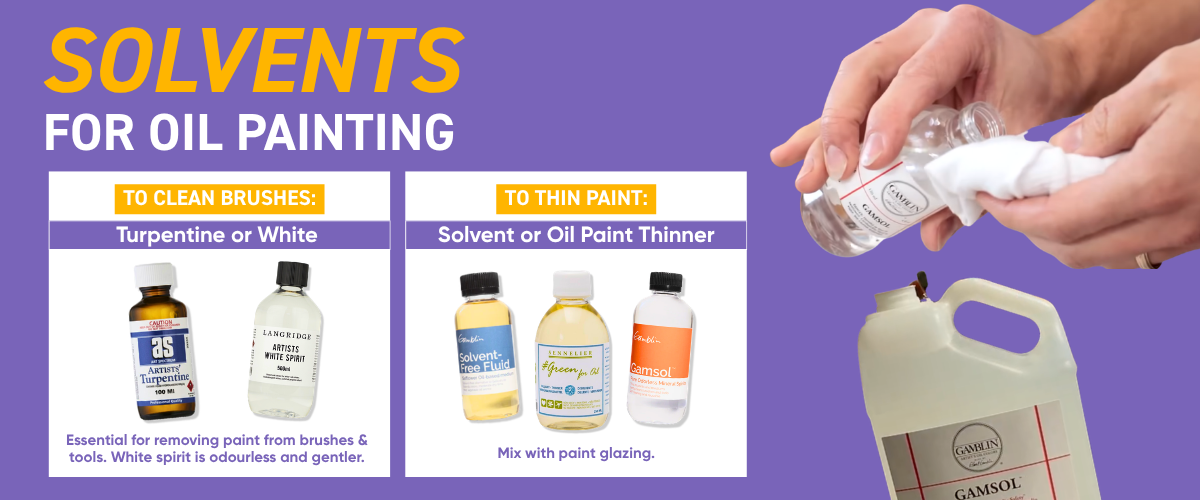
In this section, we’ll explore the role solvents play in oil painting, including what they’re used for, how they differ from other mediums, and which types are best suited to different painting styles and studio setups. We’ll also cover safety tips, indoor-friendly options, and how to use solvents effectively throughout the painting process.
.png)
What Are Solvents Used For?
Solvents are one of the most common oil painting mediums and are mainly used to thin paint, clean brushes, create lean underpainting layers, and help paint dry faster.
If oil paint straight from the tube feels thick and buttery, solvent loosens it up so it spreads more easily across the surface. This makes it especially useful in the early stages of a painting, where you’re sketching composition, blocking in colour, or creating thin base layers before building heavier paint on top.
Because solvents reduce the oil content in paint, they create leaner mixtures that dry faster. This makes them ideal for underpainting and helps support the fat over lean rule covered earlier.
Solvents are also useful during painting sessions for rinsing brushes between colours, although a dedicated brush soap or cleaner is still best for a proper clean at the end.
.png)
Odourless Solvents
Odourless solvents offer the same thinning and cleaning benefits as traditional solvents but with far less smell, making them a popular choice for home studios and indoor painting setups.
Options like Archival Odourless Solvent, Archival Fast Evaporating Odourless Solvent, and Art Spectrum Odourless Solvent are commonly used for thinning paint, brush rinsing, and lean first layers without the stronger fumes of turpentine.
Fast-evaporating solvents are particularly useful when you want early layers to dry more quickly, helping you move into thicker paint and richer mediums sooner.
Even though odourless solvents smell gentler, they still release vapours. Good airflow is still important, especially during longer painting sessions.
.png)
How To Use Oil Painting Solvents Safely
Ventilation is key when using any oil painting solvent. Paint near an open window or in a space with airflow, and avoid leaving large open containers sitting out for long periods.
Use small amounts rather than filling large jars. A brush washer or sealed container helps reduce evaporation and keeps your workspace cleaner.
Try to avoid frequent skin contact, as solvents can be drying or irritating over time. Wiping excess paint onto a rag before rinsing brushes also helps keep solvent cleaner for longer.
A helpful trick is to let dirty solvent settle in a sealed jar after painting. The paint pigment will sink to the bottom, leaving cleaner solvent sitting on top that can often be reused.
.png)
Mineral Spirits
Mineral spirits are a type of solvent, but they sit in their own category because they’re more refined and often considered a cleaner, more controlled option for oil painting.
If “solvent” is the broad umbrella term, mineral spirits are one specific type underneath it. They’re commonly used for thinning oil paint, cleaning brushes, and creating lean early layers, but they tend to evaporate more cleanly and with fewer impurities than traditional turpentine.
One of the most popular options is the Gamblin Gamsol Odourless Mineral Spirit range, which has become a studio favourite for artists wanting a dependable solvent with lower aromatic content. Many artists prefer mineral spirits like Gamsol because they feel slightly gentler to work with compared to stronger traditional solvents.
In practical terms, mineral spirits behave similarly to odourless solvent. They thin paint effectively, help speed up drying in early layers, and are useful for brush rinsing during a session. The main difference is in the level of refinement. Mineral spirits are often purified to remove more of the harsher compounds found in traditional solvent formulas.
This cleaner evaporation makes them popular for indoor painting setups, especially for artists who work for long sessions or paint regularly in smaller studio spaces.
That said, “cleaner” doesn’t mean harmless. Mineral spirits still release vapours and should always be used with ventilation. Open windows, airflow, and sealed containers go a long way in making your workspace safer and more comfortable.
.png)
Turpentine
Turpentine is one of the most traditional solvents used in oil painting and has been part of artists’ studios for centuries. Before odourless solvents and mineral spirits became common, turps was the go-to option for thinning paint, cleaning brushes, and creating lean underpainting layers.
Compared to odourless solvents, turpentine has a much stronger smell and evaporates more quickly. Some artists prefer this faster evaporation because it helps early layers dry down sooner, making it useful for sketching in compositions or working in thin washes of colour.
Products like Art Spectrum Artists Turpentine and Art Spectrum Pure Gum Turpentine are traditional studio staples often chosen by painters who enjoy a classic oil painting workflow.
Pure gum turpentine is generally considered the more refined version, distilled from pine resin rather than petroleum-based sources. Many artists find it slightly smoother to work with, particularly when mixed into traditional oil painting techniques or glazing processes.
Because turpentine evaporates quickly and produces stronger fumes, it’s best suited to well-ventilated studios or outdoor painting setups. Open windows, airflow, and keeping containers sealed when not in use are especially important when working with turps.
Turpentine is often favoured by experienced oil painters who like a more traditional feel or need rapid evaporation for specific techniques. However, for smaller indoor studios or artists sensitive to smell, odourless solvents or mineral spirits may be a more comfortable choice.
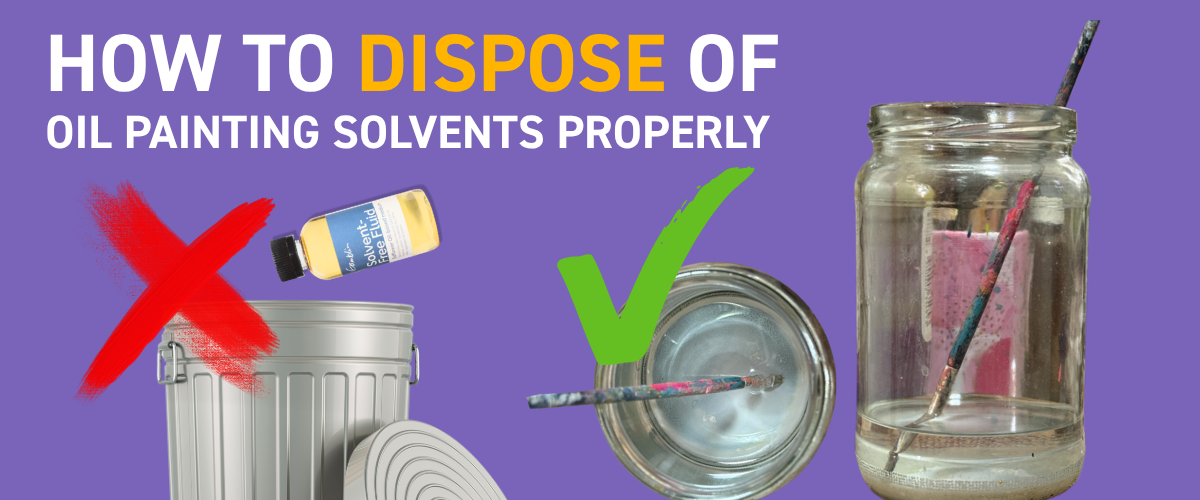
One of the most overlooked parts of oil painting is solvent disposal. It’s easy to focus on the painting itself and forget that leftover solvent, paint sludge, and oily materials need to be handled properly.
The good news is that most solvents can be reused multiple times before disposal. After painting, pour your used solvent into a sealed glass jar and leave it undisturbed for a day or two. Over time, the paint pigment and heavier particles will settle at the bottom, while cleaner solvent rises to the top.
Once separated, carefully pour the clearer solvent into a fresh labelled container for reuse. This simple trick helps reduce waste, saves money, and keeps your studio setup more sustainable.
The thick paint sludge left behind should not be poured down sinks, drains, or outside. Instead, dispose of it according to your local hazardous waste guidelines.
Paper towels, rags, and disposable palettes used with oil paint, solvent, linseed oil, or oil-based mediums should also be handled carefully. Oily rags and paper towels can heat up as they dry, especially if they’re scrunched up in a pile or thrown straight into a bin. In some cases, that trapped heat can become a fire risk, which is not exactly the dramatic studio moment we’re going for.
Let used rags and paper towels dry completely in a safe, ventilated area before throwing them away. Ideally, lay them flat in a single layer somewhere away from heat, pets, kids, and anything flammable. Some artists also store oily rags in a sealed metal container with water until they can be disposed of properly.
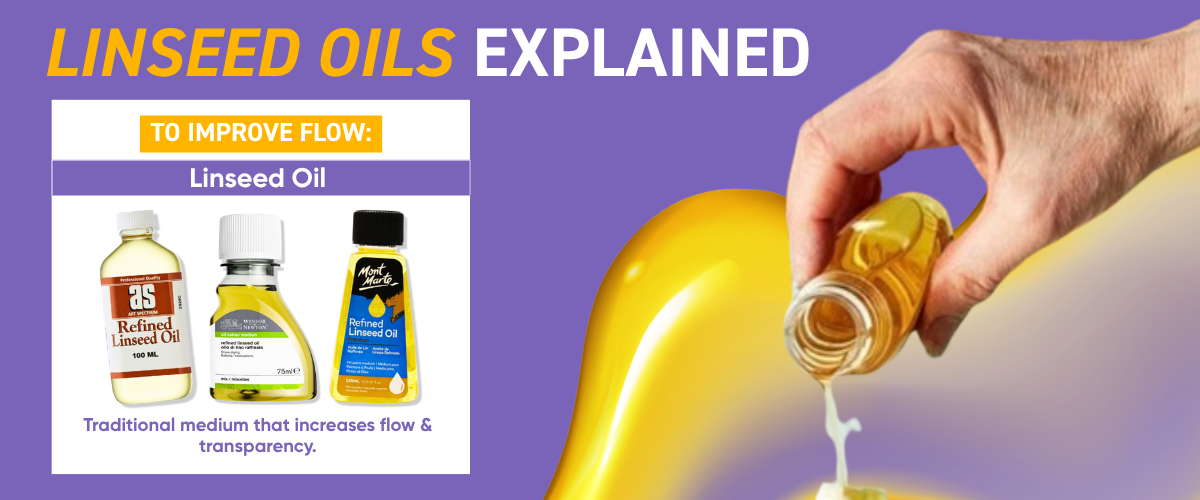
Linseed oil is one of the oldest and most traditional oil painting mediums, and for many artists, it’s the first medium they learn to use beyond solvent. In fact, most traditional oil paints are already made using linseed oil as part of their binder, which is why adding more of it feels so natural within the painting process.
If solvents are all about thinning and speeding things up, linseed oil does almost the opposite. It adds richness, smoothness, and flexibility to paint, helping it move more easily across the surface while extending working time.
A simple way to think about it is this: if solvent makes oil paint feel lighter and thinner, linseed oil makes it feel silkier and more fluid. It doesn’t dramatically change the colour itself. It changes how the paint behaves under your brush.
Linseed oil is especially popular for artists who enjoy slower blending, softer transitions, and that classic buttery oil painting feel. It’s often used in middle and upper painting layers where you want smoother movement and a richer finish.
.png)
Refined Linseed Oil
Refined linseed oil is the most common and beginner-friendly version of linseed oil. It has been processed to create a cleaner, lighter oil that mixes smoothly into paint without dramatically changing colour.
Adding a small amount improves paint flow, softens brush drag, and creates a slightly glossier finish. It also slows drying slightly, giving you more time to blend colours and work wet-into-wet.
This makes refined linseed oil ideal for:
-Smoother blending
-Softer brushwork
-Richer colour appearance
-Extending working time
-Reducing paint stiffness
Popular options include Mont Marte Refined Linseed Oil, Gamblin Refined Linseed Oil, and Art Spectrum Refined Linseed Oil.
.png)
How To Use Linseed Oil
A little linseed oil goes a long way. In most cases, you only need a small amount mixed into your paint, enough to loosen the texture without making it overly slippery or oily.
A simple starting ratio is roughly:
- 1 to 2 small drops of linseed oil per brush-load of paint
- Slightly more for blending large areas or glazing
- Less for early lean layers
You can dip the tip of your brush into the oil or place a small amount on your palette and mix it directly into the paint.
Too much linseed oil can make paint feel overly slick, slow drying significantly, or create wrinkling in thicker applications. It’s best to build up gradually and only add more if the paint still feels stiff or resistant.
For most artists, linseed oil becomes a go-to medium because it’s simple, versatile, and easy to control once you understand how much to use.
.png)
Stand Oil, Or Thickened Linseed Oil
Stand oil is a thicker, more refined form of linseed oil that has been heat-treated to create a smoother, syrup-like consistency. Kind of like golden syrup or honey, it feels richer, heavier, and more controlled than regular linseed oil, making it a favourite for glazing, fine blending, and creating a polished finish.
One of the biggest benefits of stand oil is how smoothly it helps paint settle on the surface. It naturally softens visible brush marks, giving paintings a more even, refined appearance without harsh texture or streakiness.
Because of this, stand oil is especially popular for glazing. Thin layers of transparent colour spread more evenly, helping build depth, glow, and subtle colour transitions. It’s often used in portraiture, still life, and traditional oil techniques where smooth layering matters.
Compared to refined linseed oil, stand oil dries slightly slower and creates a glossier finish. Since it contains a higher oil content, it’s usually better suited to later painting layers rather than early lean stages.
Due to its thickness, stand oil is often mixed with a small amount of solvent or painting medium to improve flow. Used sparingly, it can make paint feel smoother and more fluid without becoming overly slippery.
A little goes a long way. Even a drop or two mixed into paint can noticeably improve blending and surface finish.
.png)
Safflower Oil
Safflower oil is a lighter oil painting medium often chosen for working with whites, pale colours, and delicate colour mixes. While linseed oil is the traditional all-rounder, safflower oil is valued for one key reason: it yellows less over time.
This makes it especially useful when painting soft highlights, light skin tones, pastel colours, or large white areas where colour clarity matters. If linseed oil can add a slight warmth as it ages, safflower oil stays cleaner and lighter, helping whites remain brighter for longer.
Compared to linseed oil, safflower oil has a thinner, silkier feel and blends smoothly into paint without dramatically changing texture. It gives paint a softer flow while maintaining a clean, luminous appearance.
One thing to keep in mind is drying time. Safflower oil dries more slowly than linseed oil, which means you’ll have a longer open working time for blending and subtle transitions. This can be helpful if you enjoy working gradually or refining details over multiple sessions.
Because of its slower drying nature, safflower oil is usually best used in later painting layers rather than early underpainting stages.
A good option for artists wanting a lighter alternative is Mont Marte Safflower Oil, which works beautifully for maintaining brightness in whites and softer colour palettes.
Oils and solvents both change how paint behaves, but they do very different jobs. Solvents are usually used to thin paint and create fast-drying, lean layers, while oils are used to improve flow, extend working time, and create a richer painting feel.
A simple way to think about it is this: solvents make paint thinner and drier, while oils make paint smoother and more flexible.
You’ll usually reach for oils when you want softer blending, smoother brush movement, or a slightly glossier finish. Oils are especially helpful during middle and later painting stages, where richer colour, slower drying, and subtle transitions become more important.
Solvents tend to work best early in the process for underpainting and loose sketch layers. Oils become more useful once the painting starts developing depth and refinement.
If your paint feels stiff, draggy, or difficult to blend, adding a small amount of oil can make it feel more fluid and forgiving without overly thinning the colour.
Many artists use both throughout a painting, starting lean with solvent and gradually shifting toward oils as layers build.
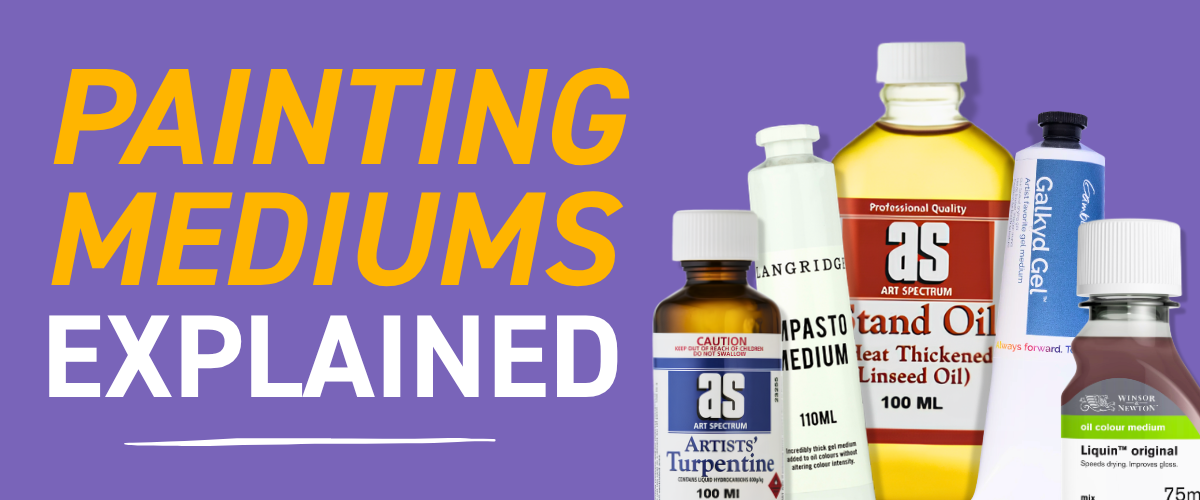
Painting mediums are often where oil painters start to feel a little lost. You’ll see bottles labelled painting medium, medium no.1, classic medium, lean medium, fat medium, and suddenly it’s hard to tell what’s actually different from a simple oil or solvent.
The easiest way to think about painting mediums is as a balanced middle ground. Instead of using a separate oil and solvent, painting mediums combine multiple ingredients into one ready-to-use formula designed to improve how paint handles on the surface.
.png)
What Is a Painting Medium?
A painting medium is usually a blend of oil, solvent, and sometimes resin, mixed together to create a more controlled painting experience.
Rather than doing one specific job, painting mediums are designed to do a little bit of everything. They can improve paint flow, slightly adjust drying time, increase smoothness, and help colour spread more evenly without dramatically changing the paint.
Think of them as an “all-in-one” option. If solvents make paint thinner and oils make it richer, painting mediums sit comfortably in the middle, giving you a balance of movement, control, and flexibility.
For beginners, painting mediums are often one of the easiest places to start because they remove some of the guesswork. Instead of juggling separate bottles of solvent and oil, you can work with a single medium that already has a balanced formula.
Painting mediums are especially useful when:
- You want smoother brush movement without overly thinning paint
- You prefer a simple setup with fewer products
- You’re still learning how oil paint behaves
- You want a more consistent feel across different painting stages
They’re commonly used throughout the painting process and can work well for general painting, blending, layering, and extending paint slightly without making it too oily or too lean.
.png)
Lean Mediums
Lean mediums are best used in the early stages of an oil painting. They contain less oil, helping paint dry faster while keeping layers thin and flexible.
They’re ideal for blocking in composition, underpainting, and establishing colour without creating heavy, slow-drying layers too soon.
Lean mediums are commonly used for:
- Early painting layers
- Faster drying
- Thin, workable paint
- Following the fat over lean rule
Options like Archival Lean Medium and Art Spectrum Lean Medium are great for creating a solid, quick-drying foundation before moving into richer layers.
.png)
Fat Mediums
Fat mediums are designed for later painting stages, where richer colour, smoother blending, and greater flexibility become important. They contain more oil, giving paint a softer feel and slightly slower drying time.
They’re often used for:
- Final painting layers
- Smoother blending
- Richer finish and colour depth
- Glazing and refined details
Art Spectrum Fat Medium is a great option for adding richness and flexibility as your painting develops through later layers.
.png)
Traditional Painting Mediums No.1 to No.4
Traditional painting mediums are designed to support different stages of an oil painting, helping you adjust paint flow, drying time, and richness as your work develops. Rather than relying on one medium for everything, these numbered formulas give you a simple progression from lean early layers to smoother, richer finishing stages.
The Art Spectrum Painting Medium range follows this step-by-step approach, with each formula suited to a different part of the painting process.
| Medium | Best For | Result |
|---|---|---|
| No.1 | Underpainting | Lean, fast drying |
| No.2 | General painting | Balanced flow |
| No.3 | Richer painting | More oil content |
| No.4 / Liquol | Fluid brushwork | Smooth finish |
Medium No.1 works well for blocking in and early layers, while No.2 offers an easy all-round option for everyday painting. No.3 introduces more richness and flexibility, and No.4, also known as Liquol, creates a smoother, more fluid feel for refined brushwork and finishing details.
For artists who like a clear, structured workflow, numbered painting mediums make it easy to choose the right formula without needing to constantly mix separate oils and solvents.
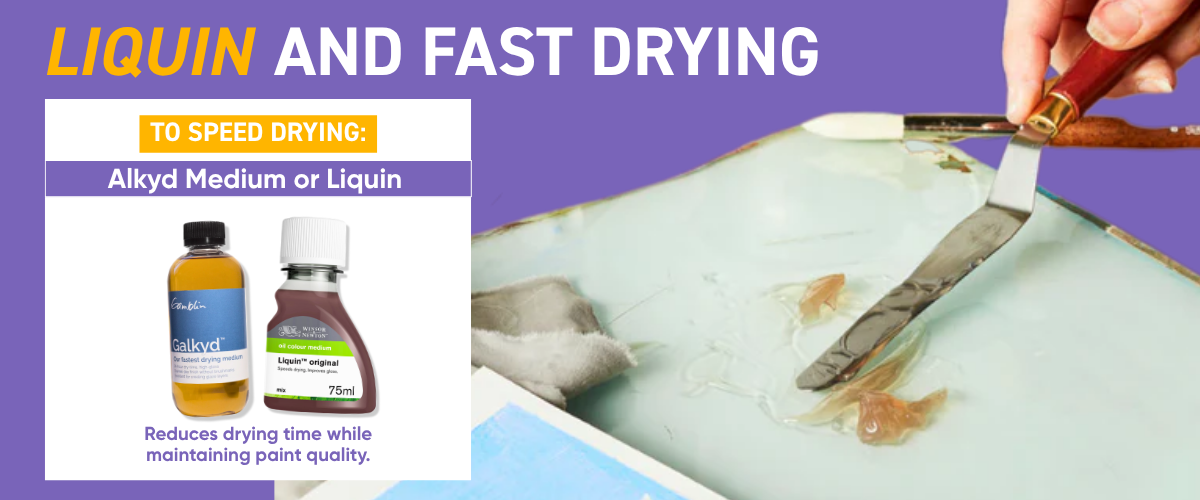
If you’ve ever loved oil painting but hated waiting days for layers to dry, fast-drying mediums are where things get very interesting. These mediums are designed to speed up drying time while still keeping the smooth, blendable feel that makes oils so enjoyable to work with.
Fast-drying oil painting mediums are especially popular with artists who paint in layers, work on commissions, paint regularly, or simply don’t want to wait a week before touching the next stage of a piece.
.png)
What Is Liquin?
Liquin is one of the most well-known fast-drying oil painting mediums and a long-time favourite for artists wanting quicker turnaround without giving up the look and feel of traditional oils.
Unlike linseed oil or standard painting mediums, Liquin is an alkyd-based medium. Alkyd mediums are made using modified oil resin, which helps paint dry significantly faster than oil alone.
In practical terms, Liquin can turn a layer that may normally take several days to dry into something touch-dry within roughly 24 hours, depending on thickness and environment.
This makes Liquin especially useful for:
- Layered oil painting
- Glazing between sessions
- Faster studio workflow
- Reducing wait time between coats
- Building detail without long drying gaps
Liquin also smooths paint slightly, helping brushstrokes glide more easily while maintaining colour depth and flexibility.
Many artists use Liquin during middle and later painting stages when layering becomes more important and patience starts running low.
.png)
Liquin Original vs Fine Detail vs Impasto
The Winsor & Newton Liquin range comes in a few different versions, each designed for a slightly different painting style.
| Medium | Best For | Result |
|---|---|---|
| Liquin Original | General painting | Faster drying with smooth flow |
| Liquin Fine Detail | Small detail work | Thin consistency with minimal brush marks |
| Liquin Impasto | Thick texture | Holds peaks and brush texture while drying faster |
Winsor & Newton Liquin Original is the most versatile option and works well for everyday oil painting. It improves flow, speeds drying, and creates a smooth, slightly satin finish.
Liquin Fine Detail has a thinner consistency, making it ideal for delicate lines, glazing, and finer brushwork where you want paint to move easily without feeling heavy.
Liquin Impasto is designed for thicker applications. It helps paint hold texture and visible brushstrokes while still reducing drying time, making it useful for expressive painting styles or palette knife work.
.png)
When To Use Fast-Drying Mediums
Fast-drying mediums work best when you want to build layers efficiently without waiting days between sessions. They’re particularly helpful for artists working on multiple paintings, commissions, or techniques that rely on glazing and repeated layering.
A small amount is usually enough. Too much can make paint feel overly slick or slightly plastic-like. For most artists, mixing a little into paint directly on the palette provides enough speed without overwhelming the natural feel of oils.
If traditional oil painting feels slow-moving, Liquin can be one of the easiest ways to make the process feel more practical while still keeping that rich oil-painted finish.
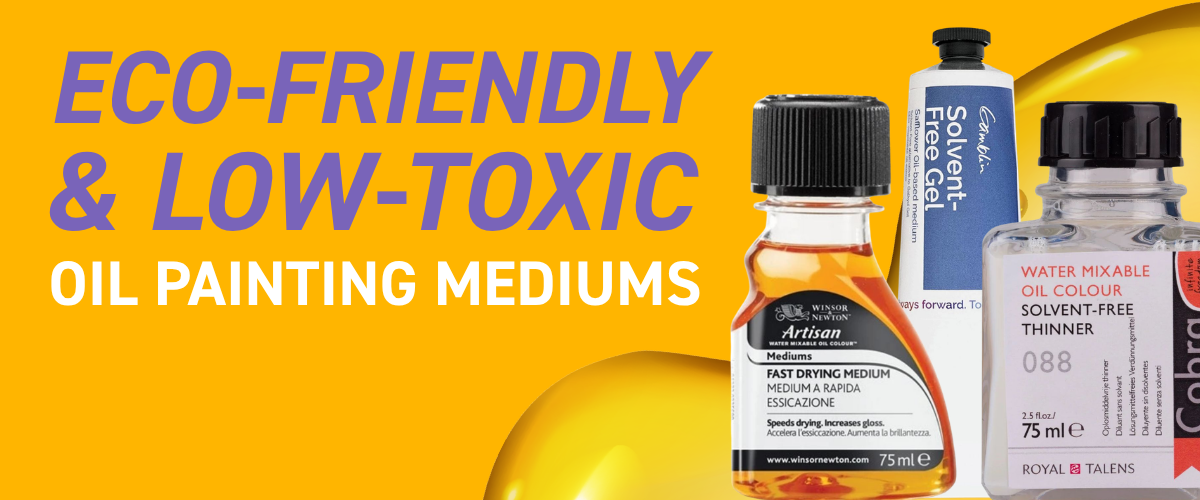
Oil painting has a reputation for being messy, smelly, and full of strong chemicals, but modern mediums have come a long way. These days, there are plenty of low-tox and eco-conscious options that let you enjoy oil painting without turning your studio into a chemistry experiment.
Whether you paint in a small room, share your space with family, or simply prefer a cleaner workflow, safer oil painting mediums can make a huge difference to comfort, ventilation, and long-term studio habits.
.png)
Are Oil Painting Mediums Toxic?
Not all oil painting mediums are toxic, and not every bottle on the shelf needs to be treated like hazardous waste. The biggest difference usually comes down to ingredients, ventilation, and how products are used.
Traditional solvents and turpentine tend to release stronger vapours, which can become uncomfortable in poorly ventilated spaces. Oils, wax mediums, and many modern painting mediums are generally lower in fumes and easier to work with indoors.
Even low-odour products still benefit from airflow. A well-ventilated room, open window, or fan can make painting more comfortable, especially during long sessions.
The good news is that artists now have access to safer alternatives that reduce fumes without sacrificing the oil painting experience.
.png)
Best low tox Oil Painting Mediums
If you want a lower-tox setup, there are several medium types designed to reduce solvent use while still giving you flexibility and control.
Holbein Eco Remover is a popular option for brush cleaning, offering a gentler alternative to harsher solvent-based cleaners.
The Cobra WMO Medium Mix is particularly useful because it can be added to traditional oil paint to help improve water compatibility. This gives artists more flexibility when transitioning into a lower-tox setup, especially if you already own a collection of regular oil paints and don’t want to replace everything at once.
The Cobra WMO Solvent-Free Paint Thinner works similarly to a traditional solvent but without the harsh fumes. It helps loosen paint, improve flow, and create thinner layers while keeping the painting process gentler for indoor studios.
Cobra WMO Solvent-Free Brush Cleaner removes paint from brushes without needing strong chemicals. It’s designed to work alongside water mixable oils and mediums, making post-painting cleanup feel much easier and less messy.
Gamblin Solvent Free Medium provides a safer alternative to traditional thinning mediums while still improving paint flow and handling.
Water mixable oil systems are another strong choice, allowing you to paint with oils while using water for cleanup instead of solvents.
Odourless solvents also sit in the middle ground. They’re not fully solvent-free, but they are often more manageable for indoor studios compared to traditional turps.
.png)
Solvent-Free Oil Painting Workflow
Building a low-tox oil painting setup doesn’t mean changing everything overnight. In many cases, it’s simply about swapping a few products for gentler alternatives.
A simple solvent-free workflow might look like this:
- Start with water mixable oil paints instead of traditional oils.
- Use solvent-free or water mixable painting mediums to adjust flow and blending.
- Clean brushes with soap-based cleaners or eco removers.
- Wipe excess paint from brushes before washing to reduce waste.
- Use reusable rags or paper towels sparingly and dispose of them responsibly.
This kind of setup works particularly well for home studios, apartments, shared creative spaces, or artists sensitive to strong smells.
Water Mixable Oil Mediums Explained
Water mixable oil mediums are designed to give you the look and feel of traditional oil painting without relying on harsh solvents for thinning or cleanup. They work alongside water mixable oil paints, allowing artists to paint with oils while cleaning brushes and adjusting paint using water.
For many artists, they offer a middle ground, keeping the rich blending and slower working time of oils while making the overall process feel simpler and more studio-friendly.
.png)
What Are Water Mixable Oils?
Water mixable oils behave very similarly to traditional oil paints. They still blend smoothly, layer beautifully, and retain that soft, workable oil painting feel. The key difference is that they’ve been modified to mix with water.
Instead of reaching for turpentine or mineral spirits, you can thin paint and rinse brushes using water or specially designed water mixable mediums.
This makes them especially popular for:
- Home studios
- Shared creative spaces
- Beginners learning oils
- Artists sensitive to strong smells
- Smaller indoor workspaces
.png)
Benefits of Water Mixable Mediums
Water mixable mediums are designed to support this cleaner workflow while still giving artists control over paint handling.
They’re popular because they offer:
- Less smell than traditional solvent setups
- Easier cleanup with water
- Beginner-friendly painting process
- More comfortable indoor use
- Reduced reliance on strong chemicals
For artists who feel intimidated by traditional solvents, water mixable mediums can make oil painting feel much more approachable.
.png)
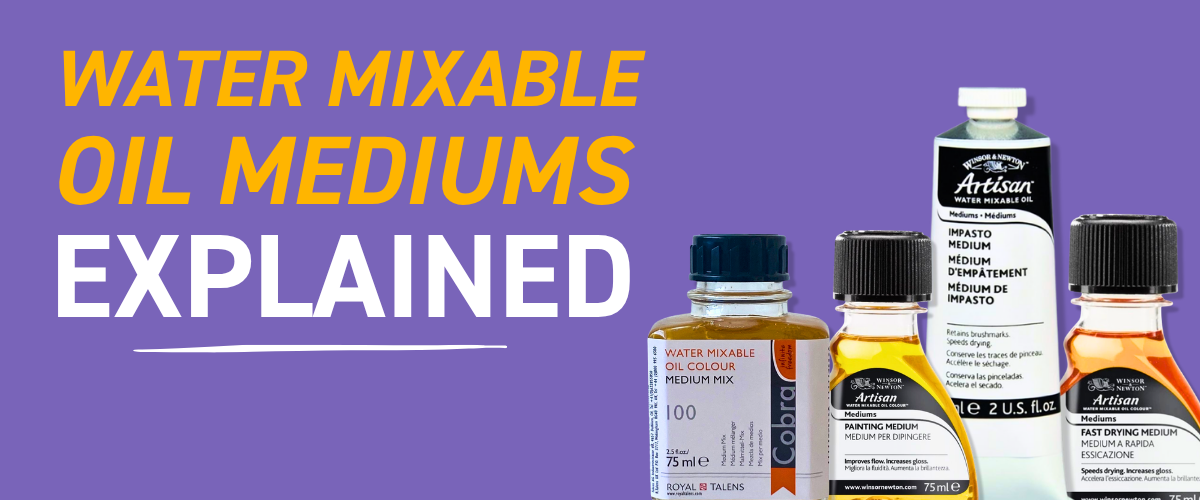
Both Winsor & Newton Artisan and Royal Talens Cobra offer dedicated water mixable medium systems designed to work with their oil paint ranges.
These mediums let you customise paint in much the same way as traditional oils, while keeping the workflow lower in fumes and easier to clean up.
Common options include:
- Water mixable painting mediums for improving flow, blending, and brush movement
- Fast-drying mediums for speeding up drying while maintaining water compatibility
- Water mixable stand oils for richness and smoother glazing effects
- Brush cleaners for removing paint without traditional solvents
- Impasto mediums for building texture and thicker paint application
These ranges make it easy to build a complete oil painting setup without needing separate solvent systems, making them especially practical for artists wanting a cleaner, lower-maintenance studio routine.
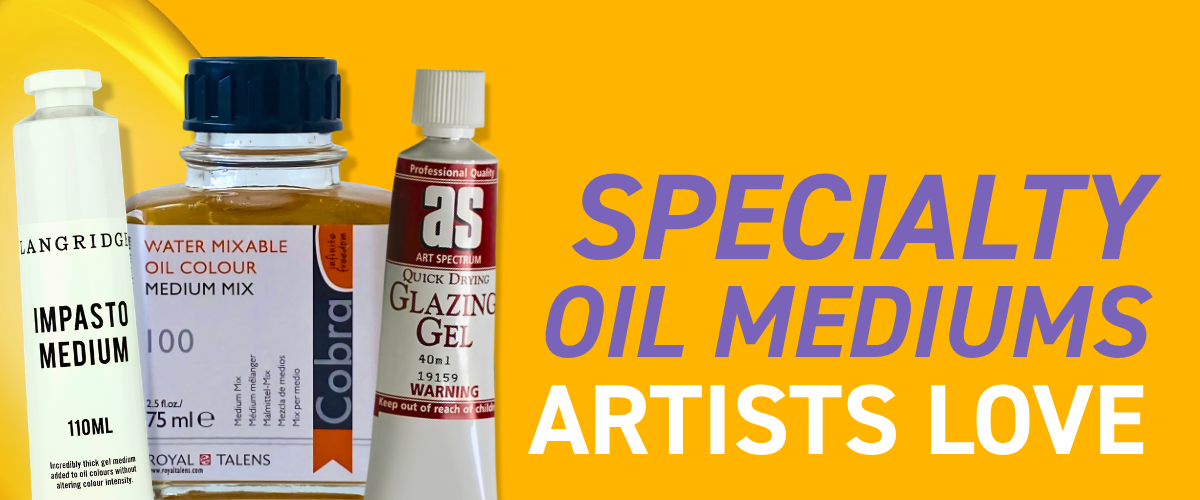
Not every oil painting medium is about drying time or smoother blending. Some mediums are designed to completely change the look and feel of your painting, adding texture, altering surface finish, or helping you create effects that standard oils alone can’t easily achieve.
These specialty mediums are often where artists start experimenting and finding their own style. Whether you love thick palette knife work, soft matte finishes, glazing, or textured surfaces, these products open up a different side of oil painting.
.png)
Cold Wax Medium
Cold wax medium is a favourite for artists who want more texture, a softer matte finish, or a slightly more sculptural painting surface. Unlike liquid mediums that increase flow, cold wax thickens paint and gives it more body.
Instead of changing how fluid paint feels, cold wax works more like a texture-building medium. In many ways, it sits in a similar space to impasto mediums, adding body and thickness to paint, but with a softer, more matte finish.
Where impasto mediums are often used to create height and pronounced brushstrokes, cold wax creates a more velvety, tactile surface. It gives paint a slightly firmer feel, making it easier to layer, scrape, carve into, or apply with a palette knife for subtle texture and surface variation.
One of the biggest draws of cold wax is its matte appearance. It reduces the glossy finish often associated with oils, creating a softer, more natural surface once dry.
Cold wax is especially popular for:
- Palette knife painting
- Layered texture
- Abstract work
- Matte finishes
- Building depth through scraping and mark-making
Because it thickens paint, cold wax works beautifully with knives, silicone tools, brushes, and carving techniques.
Gamblin Cold Wax Medium is one of the most popular options for artists exploring this style of painting. It mixes easily into oil paint and creates a rich, workable consistency that encourages experimentation.
.png)
Glazing Gel
Glazing gel is designed for artists who want to build depth, transparency, and richer colour without applying thick layers of paint. Rather than covering what’s underneath, glazing allows light to pass through thin layers of colour, creating subtle shifts in tone and a more luminous finish.
A glaze works a little like coloured glass placed over a surface, enhancing what’s already there rather than hiding it. This makes glazing especially useful for deepening shadows, warming highlights, and creating smooth colour transitions.
Glazing gel helps oil paint become more transparent while improving flow and extending working time. It’s commonly used for:
- Transparent colour layering
- Building depth and richness
- Soft tonal transitions
- Traditional glazing techniques
- Refining later painting stages
Art Spectrum Glazing Gel is a great option for artists wanting smoother, more controlled glazing while maintaining colour clarity and depth.
.png)
Amber Gel & Amber Thinner
Amber gel and amber thinner are traditional oil painting mediums designed to change how paint moves and feels on the surface. They’re especially useful for beginners who find oil paint straight from the tube a little stiff or heavy to work with.
Think of them as two different ways to adjust paint consistency depending on what you’re trying to do.
Amber Gel thickens and softens paint at the same time, giving it a richer, smoother body without making it runny. It helps paint hold together nicely on the brush, making it easier to create controlled strokes, gentle blending, and a fuller painted surface.
Amber Thinner loosens paint and improves flow, helping it spread more easily across the surface. This makes it useful when paint feels too thick, draggy, or difficult to move, especially during broader areas of painting or smoother blending.
Unlike using straight linseed oil or solvent, amber mediums sit somewhere in the middle. Solvents mainly thin paint and speed drying, while linseed oil increases richness and slows drying. Amber mediums are designed to do both in a more balanced way, giving paint a smoother, more traditional handling quality without needing to mix separate products together.
This makes them a good option for artists who want a simpler setup or prefer a medium that adjusts paint feel without becoming overly oily or overly thin.
A simple way to think about it:
- Solvent = thins paint and dries fast
- Linseed oil = adds richness and blending time
- Amber mediums = balance flow, body, and control in one step
Mont Marte Oil Medium Amber Gel 125ml is useful when you want fuller, softer brushwork, while Mont Marte Oil Medium Amber Thinner 500ml helps paint move more freely while maintaining a traditional oil painting feel.
.png)
Whiting & Kaolin
Whiting and kaolin are slightly different from most oil painting mediums because they’re not usually mixed directly into paint. Instead, they’re used for surface preparation, grounds, and adjusting absorbency before painting begins.
Think of them as part of what happens underneath the artwork, helping create a surface that paint can grip to more effectively.
Whiting is a finely ground chalk powder commonly used in traditional gesso recipes and oil painting grounds. It creates a smooth, absorbent surface that allows paint to settle evenly rather than sliding across a slick canvas.
Kaolin, also known as china clay, has a finer, softer texture and is often used to create a slightly more matte, toothy surface with gentle absorbency.
.png)
How To Use Whiting & Kaolin
Whiting and kaolin are usually mixed into primers, gesso, or ground recipes rather than applied directly on their own.
Artists often combine them with materials like acrylic binder, rabbit skin glue, or traditional gesso mixtures to prepare a painting surface before applying oil paint.
A simple approach is:
- Mix a small amount into a gesso or ground mixture.
- Apply thin coats to canvas, wood panel, or board.
- Allow each layer to dry before lightly sanding if desired.
- Build up until the surface feels smooth but slightly grippy.
Because they affect absorbency, they’re especially useful if you want more control over how paint behaves once it hits the surface.
.png)
What Does It Look Like When Used?
Surfaces prepared with whiting or kaolin often feel softer, more matte, and slightly chalky compared to a slick pre-primed canvas.
Paint applied over these grounds may:
- Grip the surface more easily
- Feel less slippery under the brush
- Appear slightly more matte
- Blend differently due to increased absorbency
- Build soft, layered colour more naturally
Whiting tends to create a smoother, traditional ground, while kaolin often adds a slightly more velvety or toothy finish.
Art Spectrum Whiting and Art Spectrum Kaolin are popular for artists wanting more control over surface preparation, particularly when creating custom grounds or experimenting with traditional oil painting techniques.
Oil Brush Cleaners & Studio Cleanup
Brush cleaning is one of the least glamorous parts of oil painting, but it makes a massive difference to how long your brushes last and how enjoyable painting feels long-term.
Oil paint is much heavier and slower drying than acrylic or watercolour, which means brushes can become stiff, clogged, or damaged surprisingly quickly if paint is left sitting in the bristles too long. A good cleaning routine helps maintain brush shape, softness, and performance, especially if you’ve invested in quality brushes.
.png)
Why Proper Brush Cleaning Matters
When oil paint dries inside a brush, it hardens deep into the bristles and near the ferrule, which is the metal part holding the hairs together. Once that happens, brushes can lose their shape, splay outward, or become almost impossible to fully restore.
Proper cleaning helps:
- Extend brush life
- Keep bristles soft and flexible
- Maintain brush shape and precision
- Prevent muddy colour mixing
- Make painting feel smoother overall
A quick clean during painting sessions also stops colours becoming contaminated, especially when switching between lighter and darker tones.
As a general rule, wipe excess paint off your brush before cleaning. Removing most of the paint first makes cleaners last longer and keeps the process much less messy.
.png)
Soap Cleaners vs Solvent Cleaners
Brush cleaners generally fall into two categories: soap-based cleaners and solvent-based cleaners.
Soap cleaners are designed for deeper cleaning and conditioning. They’re especially good for removing leftover paint residue while helping keep natural bristles soft and healthy.
Soap cleaners are often preferred for:
- Final end-of-session cleaning
- Conditioning brushes
- Water mixable oil setups
- Artists wanting lower-tox cleanup
Solvent cleaners work faster at breaking down wet oil paint and are often used during painting sessions for rinsing brushes between colours.
They’re commonly used for:
- Heavy paint removal
- Quick brush rinsing
- Traditional oil workflows
- Cleaning stubborn paint buildup
Many artists actually use both, solvent for the initial rinse, then soap cleaner afterward for a deeper clean and conditioning step.
.png)
Best Brush Cleaners For Oil Paint
There’s no single “best” brush cleaner for every artist, but a few products have become studio favourites because they clean effectively without being overly harsh on brushes.
The Masters Brush Cleaner & Preserver is one of the most popular all-round options for deep cleaning and conditioning brushes. It works especially well for reviving brushes that feel stiff or overloaded with dried paint.
Da Vinci Brush Soap is a gentler soap-based cleaner that helps maintain softness while removing paint residue from both natural and synthetic brushes.
Holbein Eco Remover Brush Cleaner is designed as a lower-odour alternative for artists wanting a more studio-friendly cleanup process without traditional harsh solvent smell.
Chroma Incredible Brush Cleaner is particularly effective for breaking down stubborn paint buildup and restoring heavily used brushes that need a more intensive clean.
A simple cleanup routine goes a long way. Wipe excess paint from the brush, rinse if needed, clean thoroughly with soap or cleaner, then reshape the bristles before drying flat or upright. Small habits like this can keep brushes performing properly for years instead of months.
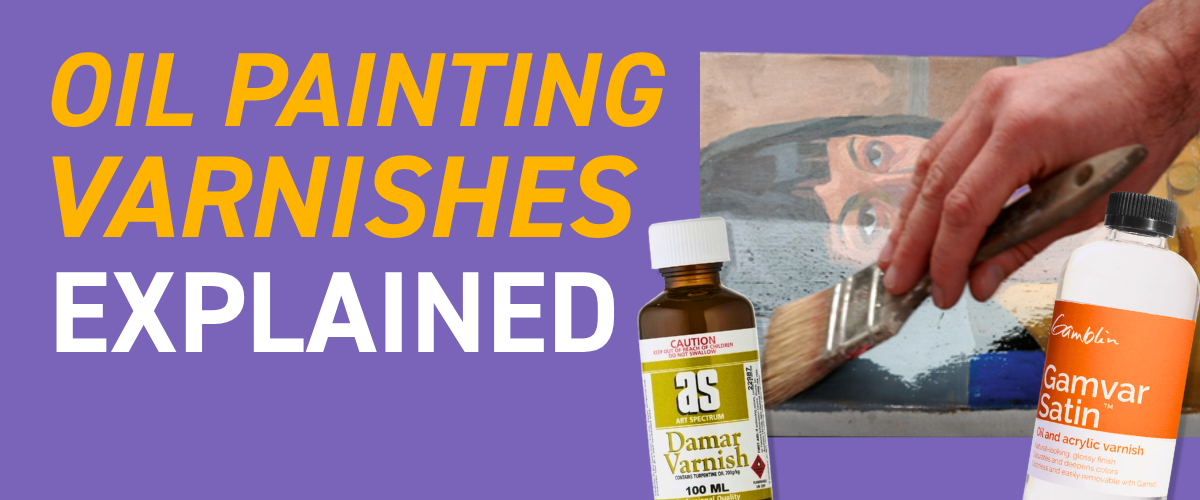
Varnishing is the final stage of an oil painting and acts as a protective layer over the surface once the artwork has fully dried. While it’s often thought of as just adding shine, varnish actually plays a much bigger role in protecting colour, evening out surface finish, and helping a painting age more consistently over time.
Without varnish, oil paintings are more exposed to dust, dirt, moisture, UV exposure, and uneven surface sheen caused by different paint thicknesses or mediums.
.png)
Why Varnish Matters
Over time, oil paintings naturally collect dust and airborne particles, especially in textured areas. A varnish layer helps protect the paint surface and acts as a removable barrier between the artwork and the outside environment.
Varnish can also help colours appear richer and more unified. Some areas of a painting may dry more matte while others remain glossy, particularly if different mediums were used throughout the process. Applying varnish helps even out that surface appearance so the painting feels more visually consistent.
In simple terms, varnish helps:
- Protect the painting surface
- Reduce dust and dirt buildup
- Even out gloss levels
- Enhance colour depth
- Improve the finished presentation of the artwork
.png)
Satin vs Matte vs Gloss
Different varnishes create different surface finishes depending on the look you want for the final artwork.
Gloss varnish creates the richest and most reflective finish. Colours often appear deeper and more saturated, making it popular for darker paintings, glazing work, and artists who love a luminous oil-painted look.
Matte varnish reduces shine and creates a softer, more velvety appearance. This can work beautifully for atmospheric paintings, softer palettes, or artists wanting less surface reflection.
Satin varnish sits somewhere in the middle, offering a gentle sheen without becoming overly glossy. It’s often the safest middle-ground option if you want colour enhancement without strong reflection.
The finish you choose is mostly personal preference. It changes the surface appearance rather than the actual colour itself.
.png)
Damar vs Gamvar
Two of the most common oil painting varnish types are traditional damar varnish and modern Gamvar varnish systems.
Art Spectrum Damar Varnish is a traditional resin-based varnish that has been used in oil painting for generations. It creates a rich glossy finish and is often associated with classic oil painting techniques and traditional studio workflows.
Gamblin Gamvar is a more modern varnish designed to provide protection while remaining easier to apply and more conservation-friendly over time. It’s available in gloss, satin, and matte finishes, giving artists more control over the final surface appearance.
Many modern artists prefer Gamvar because it can generally be applied sooner than traditional damar varnish once the painting is properly touch dry and cured enough for varnishing.
.png)
When To Varnish An Oil Painting
One of the biggest mistakes beginners make is varnishing too early.
Even when a painting feels dry to the touch, the oil underneath is often still curing. Applying varnish before the painting has properly cured can trap solvents and slow oxidation underneath the surface.
Traditional oil paintings are often left for several months before final varnishing, especially if paint has been applied thickly.
As a general guide:
- Thin paintings dry faster
- Thick impasto paintings take much longer
- Cooler or humid environments slow curing time
Before varnishing, the surface should feel fully dry, stable, and no longer tacky.
Once cured, varnish becomes the final protective layer that helps preserve the artwork while giving it a more finished, professional appearance.
.png)
Which Oil Painting Medium Should I Choose?
If you’re still staring at all the options thinking, “Cool, but which bottle do I actually need?”, this is the cheat sheet section. Different oil painting mediums suit different techniques, stages, and studio setups, so the right choice depends on what you want your paint to do.
| If You Want To... | Try This Medium |
|---|---|
| Thin paint for early layers | Odourless solvent, mineral spirits, turpentine, or lean medium |
| Make paint flow more smoothly | Refined linseed oil or painting medium |
| Slow drying for blending | Linseed oil or safflower oil |
| Speed up drying | Liquin Original, Galkyd, or lean medium |
| Create transparent layers | Glazing gel or stand oil |
| Build texture | Cold wax, Liquin Impasto, or impasto medium |
| Reduce yellowing in whites | Safflower oil |
| Create a matte finish | Cold wax medium or matte varnish |
| Work with fewer fumes | Water mixable mediums or solvent-free mediums |
| Clean brushes properly | Brush soap, eco remover, or dedicated brush cleaner |
| Protect finished artwork | Gamvar, damar varnish, gloss varnish, satin varnish, or matte varnish |
For most beginners, the easiest starting setup is simple: one oil paint medium for flow, one odourless solvent or low-tox alternative for early layers and cleanup, and one proper brush cleaner. From there, you can add specialty mediums as your painting style develops.
What is the best oil painting medium for beginners?
For most beginners, a simple painting medium or refined linseed oil is the easiest place to start. They improve paint flow and blending without dramatically changing how the paint behaves.
If you want faster drying, Liquin Original is another beginner-friendly option. If you’d prefer a lower-tox setup, water mixable mediums are often the most approachable.
The best medium really depends on what you want your paint to do.
Do I need a medium for oil painting?
No, you can absolutely paint with oil paint straight from the tube. Many artists do.
Mediums simply give you more control over things like drying time, blending, texture, gloss, transparency, and paint flow. They’re tools for adjusting how the paint behaves rather than something you must use.
Can I mix different oil mediums?
Yes, many artists combine mediums depending on the effect they want. For example, an artist might use solvent in early layers, then switch to linseed oil or Liquin later in the painting.
The main thing to keep in mind is the fat over lean rule, which means gradually increasing oil content as layers build.
What is the difference between linseed oil and Liquin?
Linseed oil and Liquin do very different jobs.
Linseed oil increases flow, richness, and blending time while slowing drying slightly. It creates a more traditional oil painting feel.
Liquin is an alkyd-based medium designed to speed up drying dramatically while still improving paint movement.
A simple way to think about it:
- Linseed oil = slower, smoother blending
- Liquin = faster drying and quicker layering
Is turpentine better than odourless solvent?
Neither is universally “better”. They just suit different studio preferences.
Turpentine is more traditional, evaporates quickly, and has a much stronger smell. Some artists prefer it for classic oil painting techniques.
Odourless solvents are usually more comfortable for indoor studios and home setups because they produce fewer fumes and less smell.
For most beginners, odourless solvent is generally the easier starting point.
What is the safest oil painting medium?
Water mixable mediums, solvent-free mediums, and soap-based brush cleaners are usually considered some of the safest options for indoor painting setups.
Products like Cobra Water Mixable Mediums, Gamblin Solvent Free Medium, and odourless solvents can help reduce fumes compared to traditional turpentine-based workflows.
Good ventilation is still important no matter which products you use.
Can you use water with oil paint?
Traditional oil paint does not mix with water. However, water mixable oil paints are specially modified so they can be thinned and cleaned up with water.
If you’re using standard oil paints, you’ll usually need solvents, oils, or painting mediums instead.
Which oil medium dries the fastest?
Fast-drying alkyd mediums like Liquin and Galkyd are among the quickest drying oil painting mediums.
Lean mediums and solvent-heavy mixtures also dry faster than oil-rich mediums like linseed oil or stand oil.
Thicker paint layers will always take longer to cure than thin applications.
Why does my oil paint crack?
Cracking usually happens because paint layers dry unevenly. One of the biggest causes is ignoring the fat over lean rule, where fast-drying layers are placed over slower-drying ones.
Using too much oil medium, applying paint too thickly, or varnishing too early can also contribute to cracking over time.
What medium makes oil paint glossy?
Linseed oil, stand oil, glazing mediums, and gloss varnishes can all increase gloss in oil paintings.
Stand oil and glazing mediums are especially popular for creating rich, luminous surfaces, while gloss varnish enhances colour depth and creates a more reflective final finish.
Oil painting mediums can feel overwhelming at first, but once you understand what each one actually does, the whole process becomes much easier, and honestly, a lot more fun. Whether you’re trying to speed up drying time, create smoother blends, build texture, glaze colour, or simply make cleanup less painful, there’s a medium designed to help you get there.
At Art Shed, we stock a huge range of oil painting mediums for every kind of artist, from complete beginners figuring out their first setup to experienced painters refining professional techniques. Our range includes traditional oils, solvents, painting mediums, Liquin, water mixable systems, eco-friendly options, varnishes, brush cleaners, texture mediums, and specialty products from trusted brands like Winsor & Newton, Gamblin, Art Spectrum, Mont Marte, Royal Talens, and more.
Whether you want a traditional oil painting workflow with rich glazing and classic mediums, or a cleaner low-tox setup better suited to home studios, there are plenty of options to build a painting process that works for your style and space.
And if you’re still standing there wondering which bottle you actually need, don’t stress. Our team is always happy to help point you in the right direction without the confusing art-school jargon or weird gatekeeping energy.
Because at the end of the day, mediums are just tools. The fun part is figuring out which ones make your painting process feel better.