





- Related Categories:
- Canvases
- Wooden Canvases
- Canvas Panels
- Canvas Pads
- Colouring Canvases
- Canvas Rolls
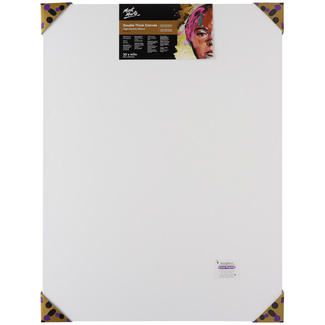
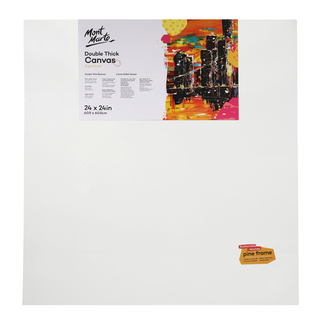
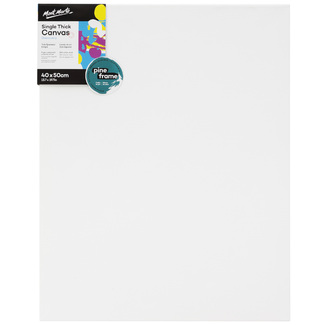
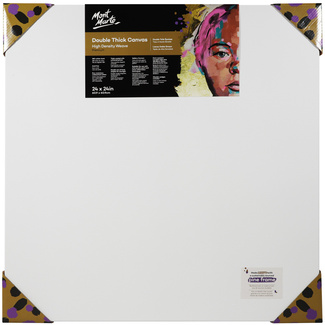
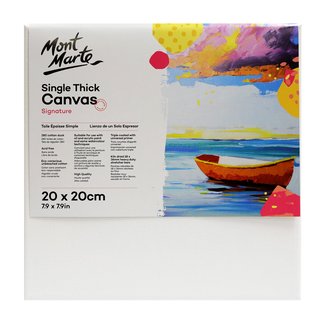
Every great painting is only as great as the surface it shines upon, and stretched canvas remains the king of the hill. It has long been a favourite among artists for its versatility, durability, and professional finish, so whether you're painting with acrylics, oils, or mixed media, a quality stretched canvas provides a reliable foundation for everything from quick studies to exhibition-ready artwork.
At Art Shed, you'll find a wide range of pre-stretched and primed canvases that are ready to paint straight out of the wrapper. These canvases come in various shapes, sizes and depths to save valuable preparation time so you can focus on bringing your creative vision to life. Explore our full range of painting canvas options to find the ideal surface to make your next project gleam.
Why Artists Choose Stretched Canvas
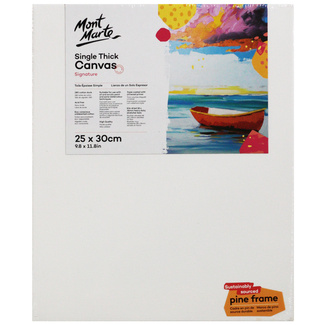
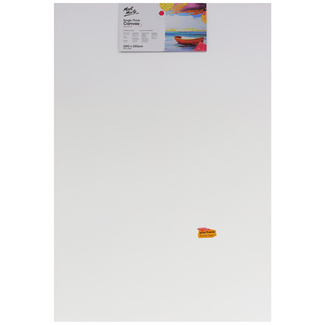
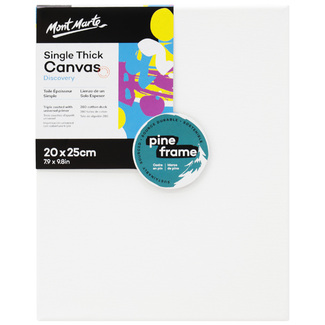
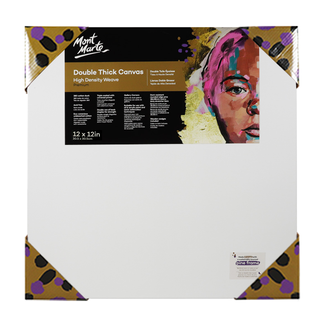
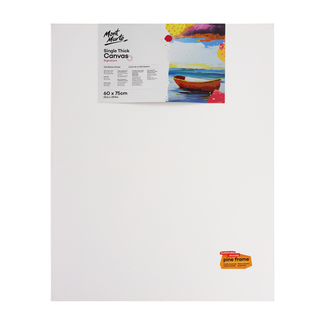
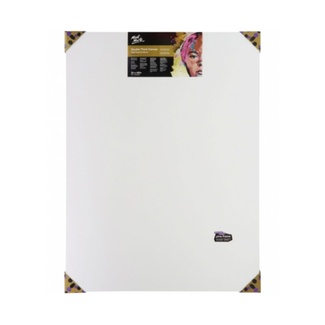
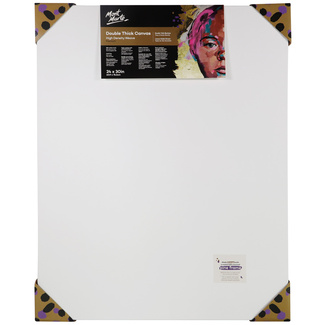
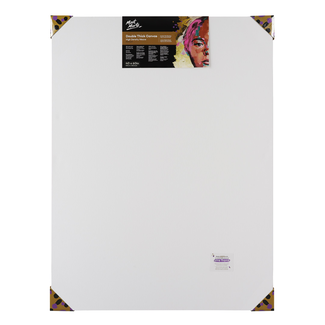
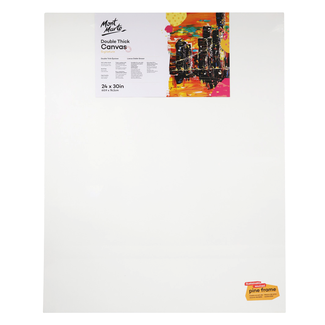
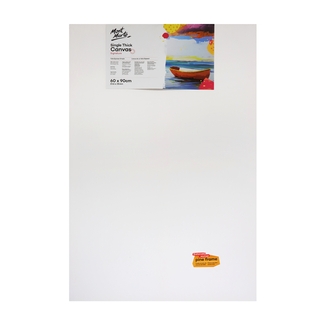
Stretched canvas remains the gold standard of painting surfaces thanks to its combination of convenience and performance. Each canvas is tightly stretched over a sturdy wooden frame and pre-primed, creating a stable surface that's ready to use without additional preparation.
Unlike loose canvas, stretched canvas offers a clean, professional presentation straight away, making it suitable for both practice pieces and finished artworks. The primed surface helps paint adhere evenly while supporting vibrant colour and smooth brushwork, whether you're using acrylic or oil paints. Pair your canvas with the right painting brushes so that every stroke has a gold-star performance just as impressive as the canvas itself.
Choose the Right Canvas Size and Format
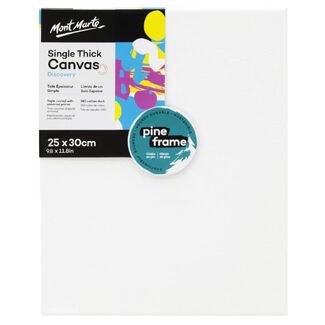
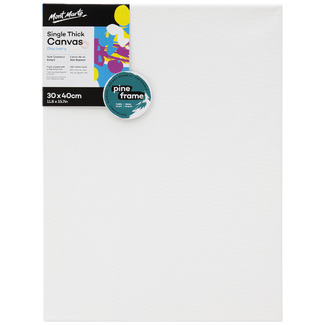
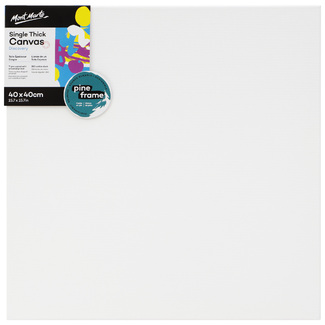
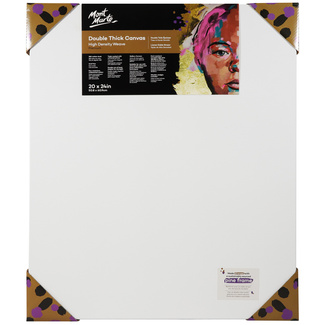
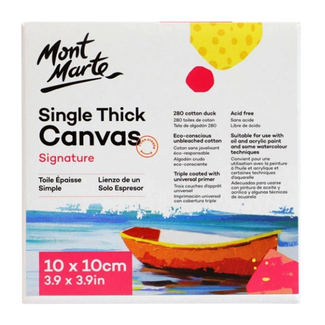
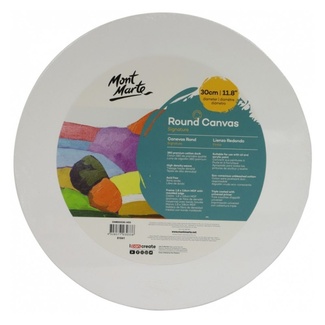
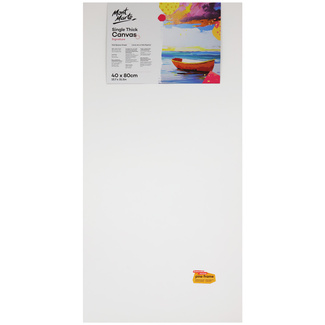
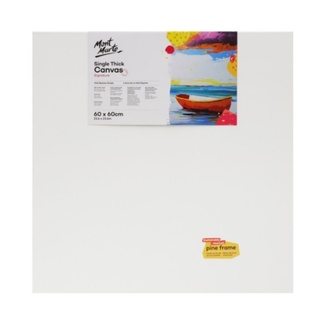
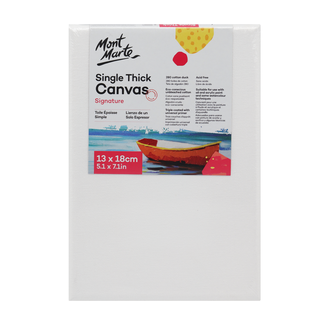
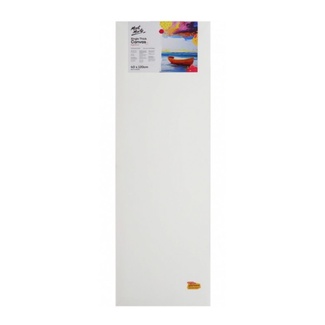
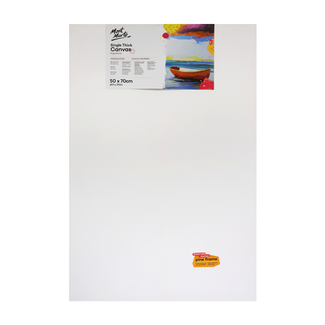
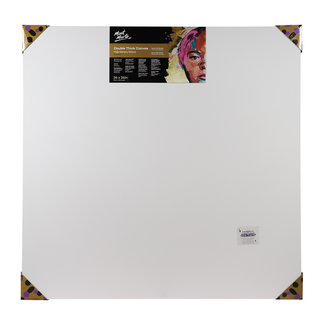
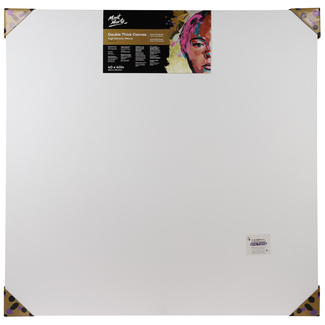
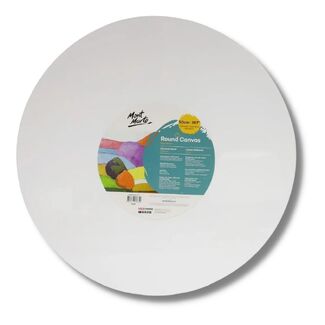
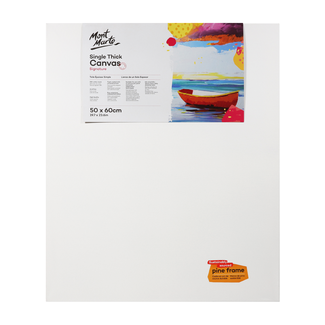
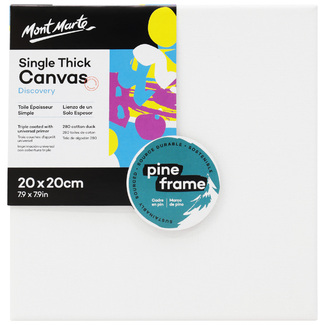
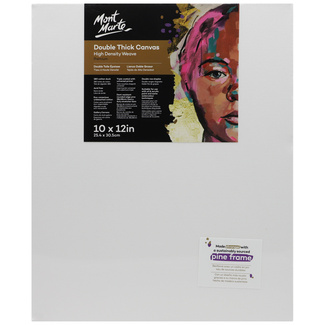
When it comes to canvases, size matters. Smaller canvases are ideal for studies, sketches, and experimenting with new ideas, while larger formats allow artists to create bold statement pieces that deliver greater detail and impact. Whether you prefer compact and square dimensions, classic rectangular formats, or oversized pieces for large-scale works, there's a stretched canvas to suit every individual project and creative style.
Ideal Surfaces for Acrylic and Oil Painting
Stretched canvases are designed to perform beautifully with a range of popular painting mediums. They're especially well-suited to acrylic paints and oil paints, providing a durable surface that makes the most of fine details and expressive textures.
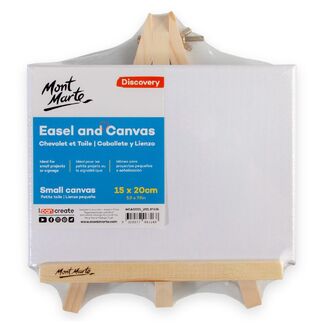
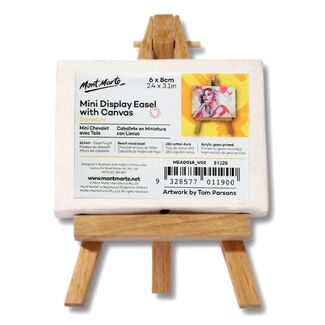
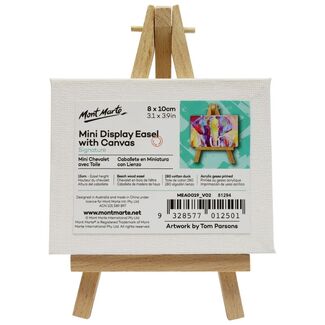
Artists use stretched canvas for landscapes, portraits, abstracts, still life, and contemporary works, making it one of the most versatile surfaces available. But no setup is quite complete without a quality artist easel bringing the performance home, so regardless of whether you're working in the studio, classroom, or at home, shop our range of easels now to maximise the comfort of your painting experiences.
Frequently Asked Questions
What is a stretched canvas used for?
Stretched canvas is primarily used for acrylic, oil, and mixed media painting. Its durable, primed surface makes it suitable for everything from practice exercises to professional artworks ready for display.
Are stretched canvases ready to paint on?
Yes. Most stretched canvases come pre-primed, allowing you to begin painting immediately without preparing or sealing the surface yourself.
What paints can be used on stretched canvas?
Stretched canvases are commonly used with acrylic and oil paints. Many artists also incorporate mixed media techniques, depending on the canvas and primer used.
How do artists choose the right canvas size?
Smaller canvases are great for studies and experiments, while larger formats suit detailed compositions and feature pieces. The best size depends on your subject, available space, and creative goals.
Can stretched canvases be framed?
Absolutely. Stretched canvases can be displayed as they are for a contemporary look or framed to complement your artwork and protect the finished piece.