





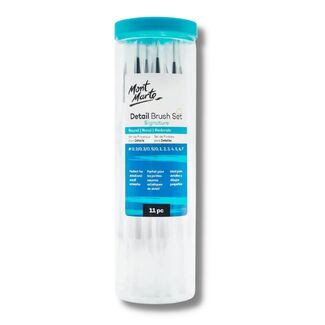
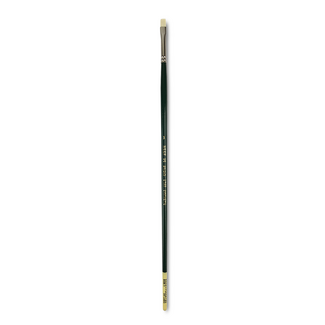
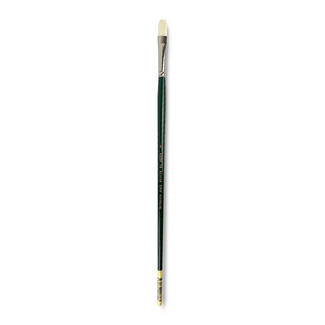
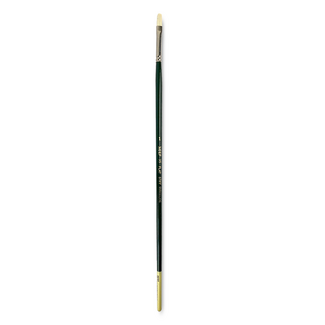
Oil painting asks more from a brush than most other mediums. The paint is thicker, the working time is longer, and the process often involves layering, blending, and reworking over extended sessions. That’s why having the right oil paint brushes isn’t just helpful, it’s essential.
At Art Shed, our collection of oil paint brushes is carefully selected to handle the weight, viscosity, and slow-drying nature of oil paint, while maintaining shape and control throughout the painting process. Whether you’re working in traditional techniques or exploring more expressive, contemporary styles, the right brush allows you to move paint with intention rather than resistance.
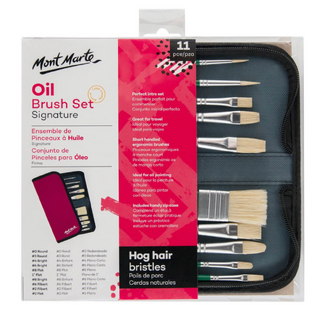
You’ll find a full range of brush types, from robust natural hog bristle brushes designed for heavy paint application through to high-quality synthetic options that offer more refined control. Each brush is constructed with durability in mind, including ergonomic wooden handles that provide balance and comfort during longer studio sessions.
With a wide variety of sizes, shapes, and materials available at everyday Art Shed pricing, it’s easy to build a brush kit that supports your technique from the first layer through to the final detail.
Durable Bristles and Ergonomic Design for Masterful Strokes
Oil paint has a very different physical quality compared to water-based mediums. It’s denser, more resistant, and often applied in thicker layers, which means your brush needs to have the strength to move that paint effectively without collapsing or losing its form.
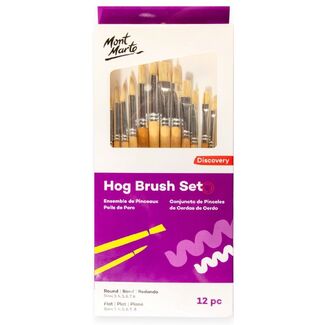
This is where hog bristle brushes come into their own. Naturally stiff and resilient, hog hair bristles are able to pick up and distribute heavy-bodied oil paint while maintaining their structure. The slight split at the tip of each bristle also helps hold more paint, allowing for fuller, more confident strokes across the surface.
For artists who prefer a slightly smoother finish, stiff synthetic brushes offer a more controlled alternative. These are engineered to provide consistent spring and shape retention, making them well-suited for blending, layering, and more refined applications while still being strong enough to handle oil paint.
Equally important is the handle design. Oil painting often involves longer working sessions, and having a brush that feels balanced in the hand makes a noticeable difference over time. The ergonomic wooden handles used across our range are designed to provide a comfortable grip and stable control, whether you’re working up close on fine detail or stepping back for broader, more gestural marks.
These brushes are also built to withstand the realities of oil painting cleanup. From turpentine to mineral spirits, the materials used in their construction are selected for their resistance to solvents, helping maintain the integrity of both the bristles and the handle over repeated use.
Choosing the Right Shape for Your Oil Painting Technique
Once you’ve got the right bristle type, the next step is choosing the shapes that support how you actually paint. Each brush shape serves a specific purpose, and having a mix in your kit can significantly expand your technical range.
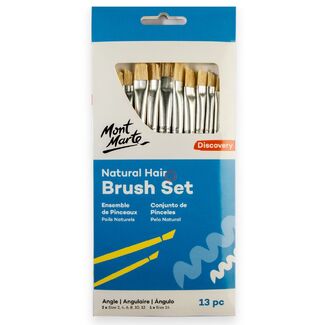
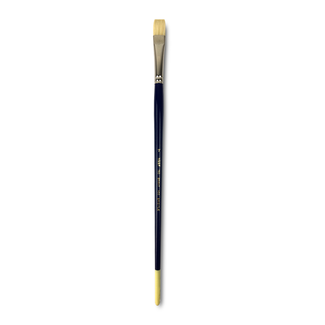
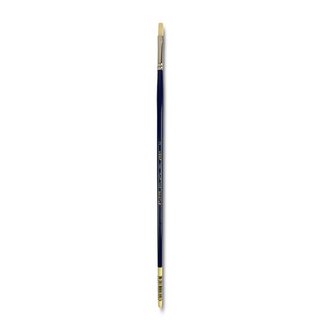
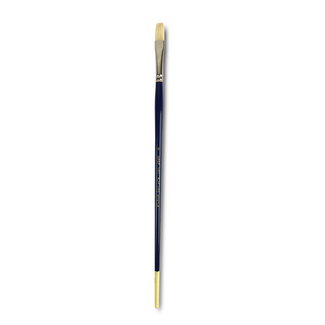
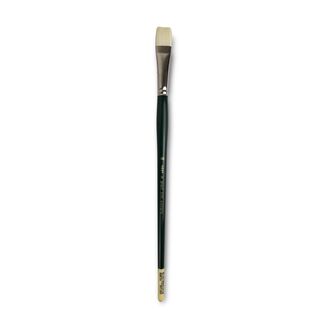
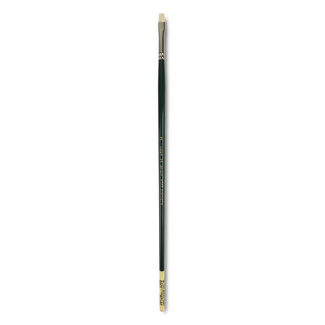
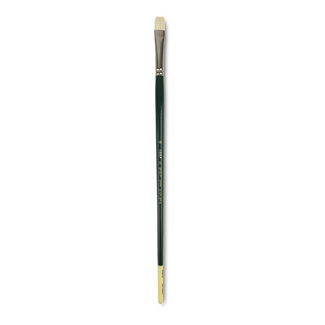
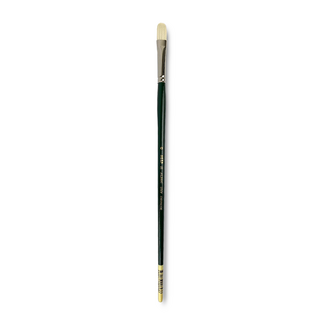
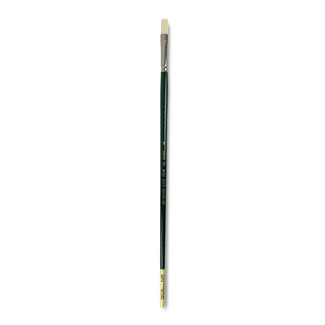
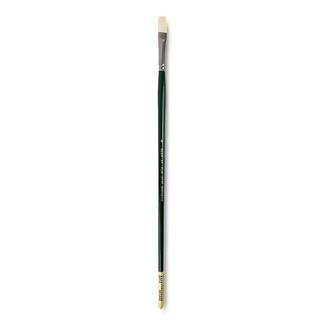
Flat brushes are often the starting point. With their straight edges and broad surface, they’re ideal for laying down colour, building structure, and creating bold, confident strokes. They’re especially useful in early stages when blocking in forms.
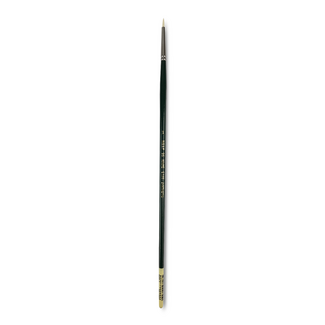
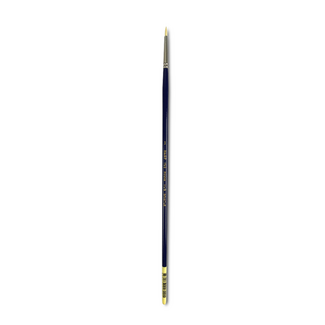
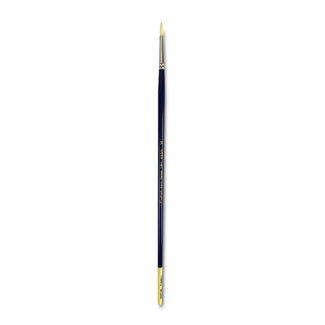
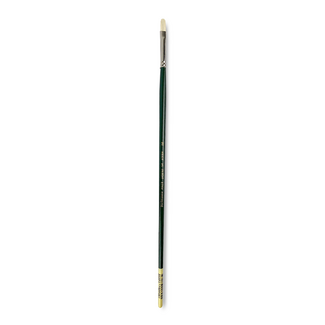
Round brushes come into play when you need more precision. Their tapered shape makes them well-suited to detail work, controlled lines, and smaller adjustments within a composition.
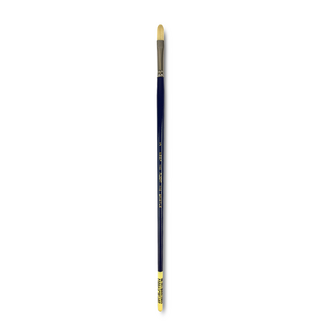
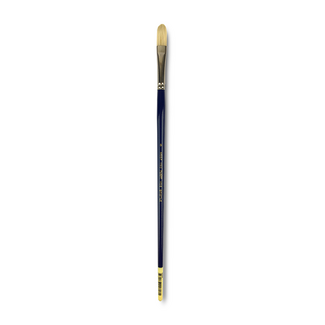
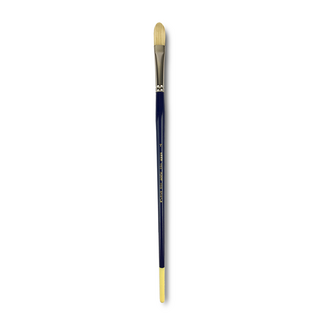
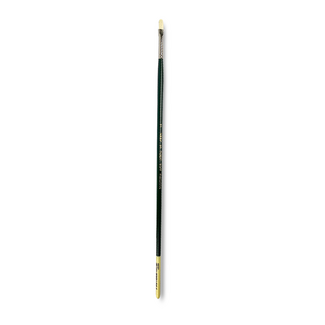
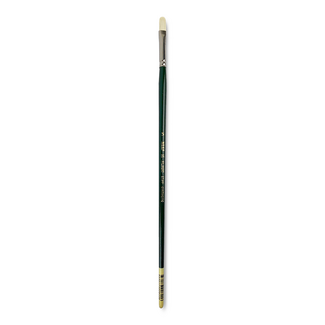
Filbert brushes sit somewhere in between, with a softly rounded edge that allows for more natural blending and less defined brush marks. They’re often used for portrait work or any area where you want smoother transitions between tones.
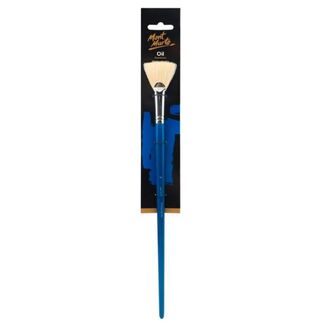
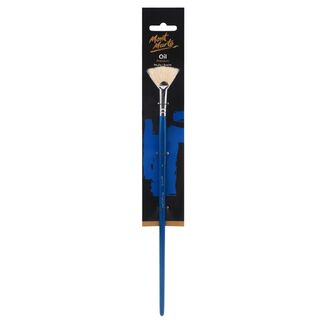
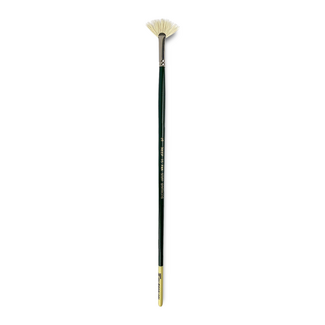
Fan brushes are typically used for blending and softening edges, as well as creating subtle textures such as foliage or atmospheric effects. They allow you to gently move paint without disturbing underlying layers too heavily.
Having a combination of these shapes gives you flexibility across different stages of your painting, from initial composition through to final refinement.
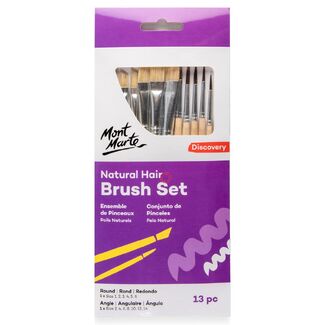
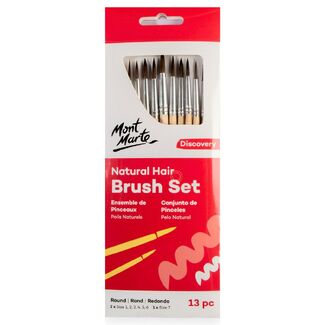
At Art Shed, you can build your setup your way, whether that means selecting individual brushes to suit your exact process or choosing from curated sets designed to give you a balanced starting point. Either way, you’re working with tools that are designed to perform consistently and hold up over time.
Frequently Asked Questions
Should I use natural or synthetic brushes for oil painting?
Both are suitable, depending on your technique. Hog bristle brushes are ideal for moving thick paint and creating texture, while synthetic brushes offer more control and are often preferred for blending and finer work.
How do I properly clean oil paint out of my brushes?
Start by removing excess paint with a cloth or paper towel, then clean the brush with a solvent such as mineral spirits or turpentine. Follow with a gentle soap and warm water to remove any remaining residue.
Why are hog bristle brushes so popular for oil painting?
Hog bristle is naturally stiff and durable, making it well-suited to handling heavy-bodied oil paint. It also holds paint well and maintains its shape during use.
What is the best brush shape for blending oil paint on canvas?
Filbert and fan brushes are commonly used for blending. Filberts create soft transitions, while fan brushes are useful for lightly softening edges and textures.
How do I maintain the shape of my brushes when using solvents like turpentine?
After cleaning, reshape the bristles while they are still slightly damp and allow them to dry flat or with the bristles facing down. Avoid leaving brushes sitting in solvent for extended periods, as this can damage both the bristles and the handle.