





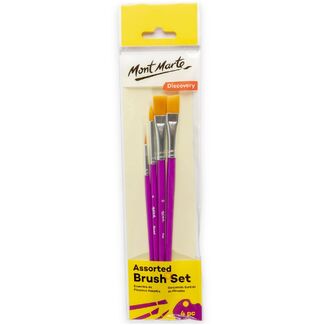
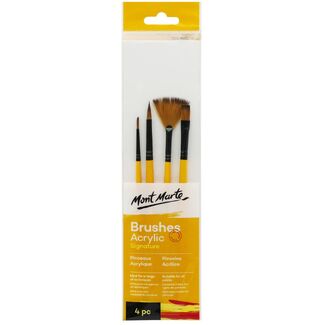
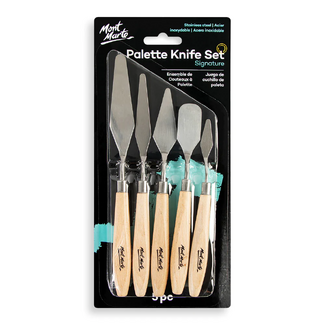
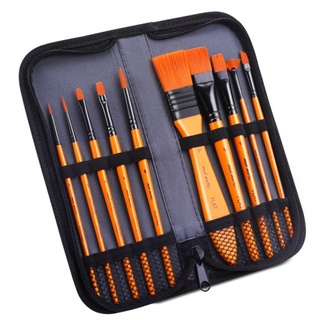
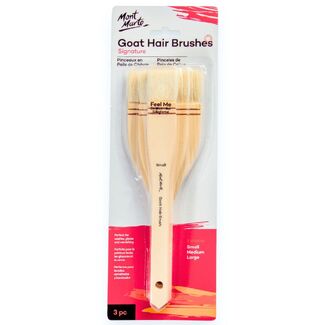
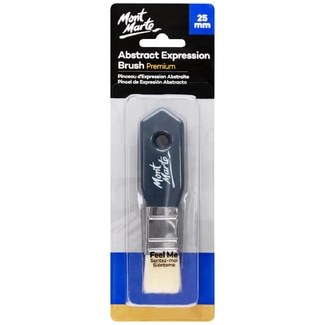
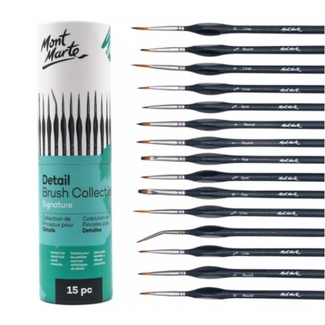
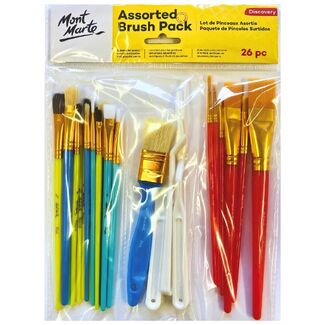
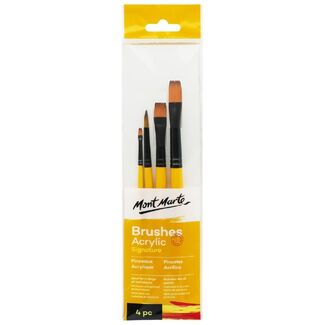
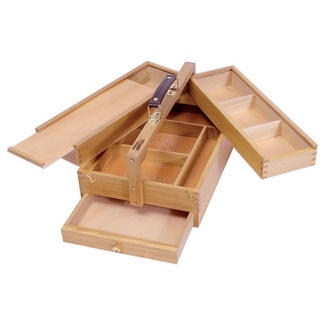
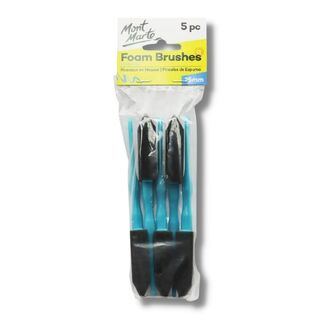
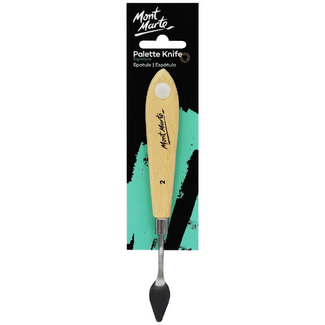
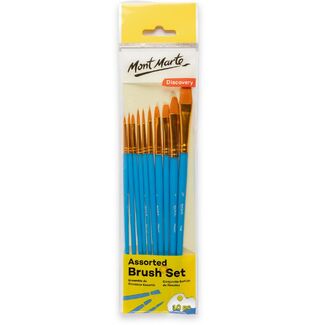
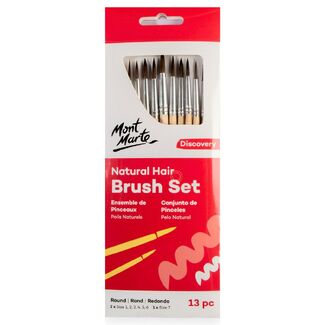
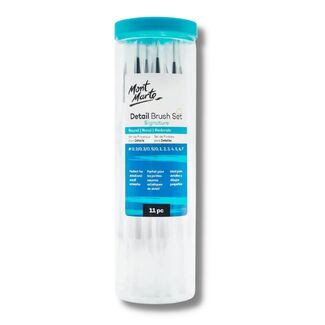
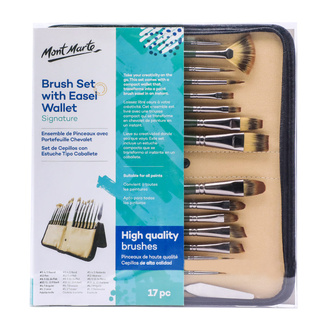
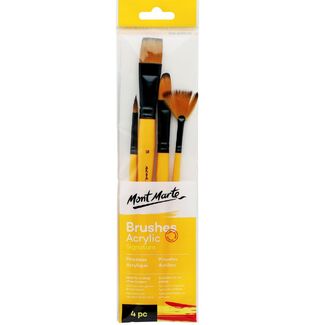
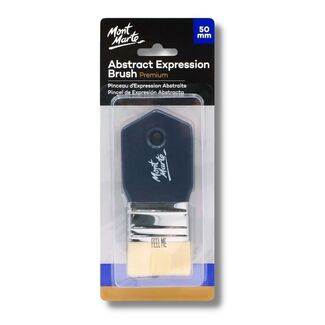
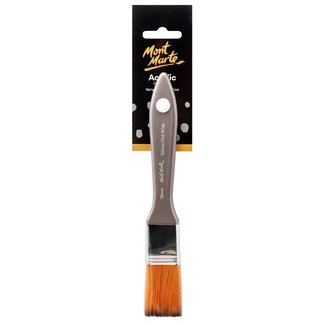
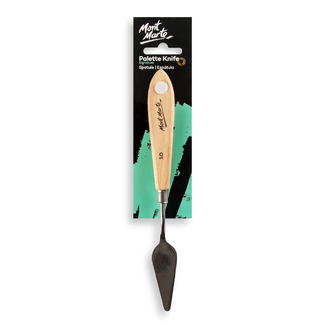
The right brush changes everything. Control feels easier, paint behaves better, and your technique suddenly makes more sense. Art Shed’s range of high-quality art brushes is designed to support artists at every stage, from first experiments to finished professional work.
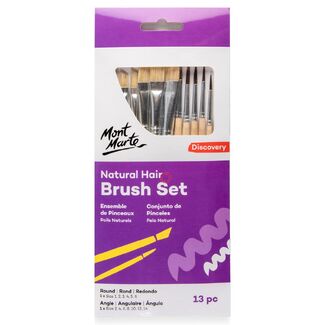
Our collection covers a wide variety of brush shapes, sizes, and fibres, including synthetic and natural options suited to acrylic, watercolour, gouache, and oil painting. You’ll find individual brushes for replacing favourites, as well as curated brush sets that take the guesswork out of building a reliable kit.
Every brush in our range is chosen for performance, durability, and comfort. That means good paint pickup, consistent stroke control, and bristles that hold their shape session after session. Whether you paint loosely, precisely, or somewhere in between, there’s a brush here that fits the way you work.
Choosing the Right Brush Shape and Fibre for Your Medium
Brush shape plays a huge role in how paint moves across the surface and how much control you have over your marks.
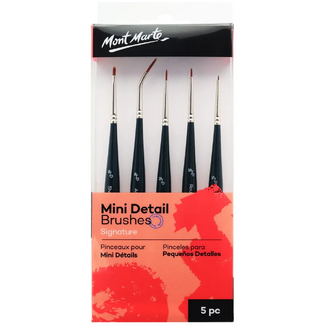
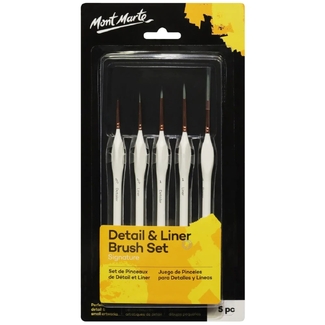
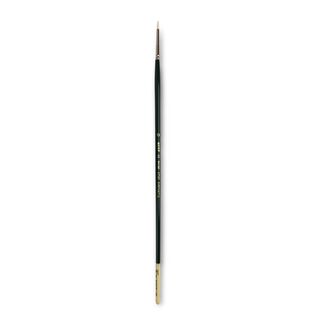
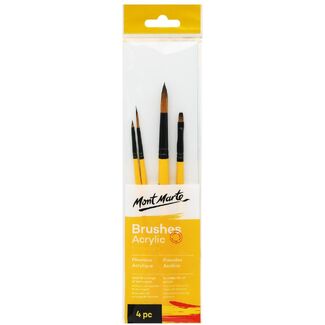
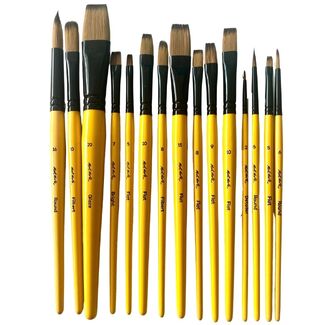
Round brushes are incredibly versatile. They’re ideal for detail, line work, washes, and general painting across most mediums. With pressure changes, a single round brush can create both fine lines and broader strokes.
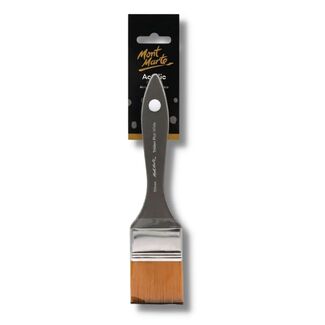
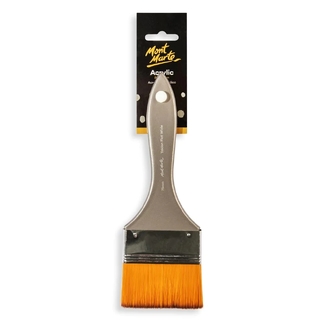
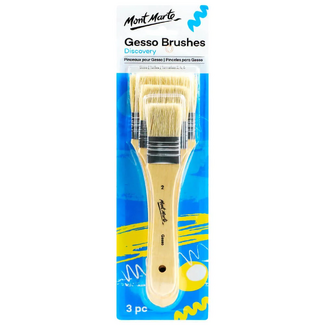
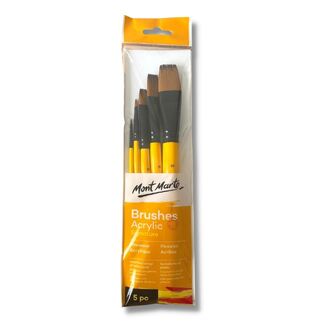
Flat brushes are perfect for bold strokes, sharp edges, blocking in colour, and smooth coverage. They’re commonly used in acrylic and oil painting, where strong shapes and defined edges matter.
Filbert brushes sit somewhere between flat and round. Their rounded edges make them great for blending, soft transitions, and natural forms, especially in portrait and landscape work.
Fan brushes are designed for texture. They’re often used for foliage, clouds, hair, and special effects where broken, organic marks are needed.
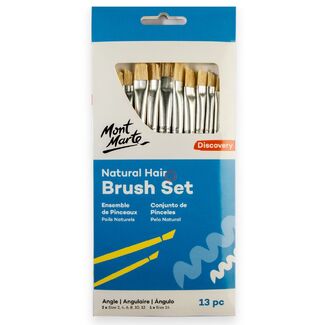
Angular brushes offer precision at an angle. They’re useful for controlled strokes, corners, and working into tight spaces without switching brush size.
Fibre type matters just as much as shape because it directly affects how paint loads, releases, and moves across the surface. Synthetic brushes are made from engineered fibres designed to mimic natural hair while offering greater durability and consistency. They’re resilient, easy to clean, and hold their shape well, even with heavy-bodied paints and frequent washing.
This makes them especially well-suited to acrylic painting, mixed media, and beginners who need brushes that can handle a bit of a learning curve without wearing out quickly.
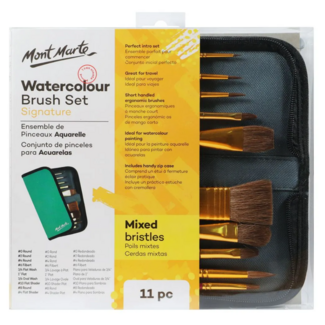
Natural hair brushes are valued for their superior absorbency and fluid paint flow. The structure of natural fibres allows them to hold more water or paint and release it smoothly, which is why they’re often preferred for watercolour, gouache, and oil painting. They excel at soft washes, smooth blending, and controlled transitions, particularly in techniques where subtlety and flow matter.
Many modern brushes now use blended or hybrid fibres, combining synthetic strength with natural-style softness. These brushes aim to offer the best of both worlds — good paint holding capacity, reliable snap, and long-term durability — making them a versatile choice for artists who work across multiple mediums or want consistent performance without switching brush types constantly.
What to Look for in a High-Quality Artist Brush
A good brush should feel responsive and predictable in your hand.
Bristle retention is a major quality marker. High-quality brushes hold their fibres securely, meaning fewer stray hairs in your artwork and a longer usable life.
Spring and snap affect control. A brush with good spring returns to shape after each stroke, giving you consistent marks and better accuracy, especially for detailed work.
Absorbency determines how much paint or water the brush can hold. Watercolour brushes rely heavily on this, while acrylic and oil brushes benefit from fibres that carry paint evenly without flooding the surface.
Zerrule construction matters more than most people realise. A well-crimped, rust-resistant ferrule keeps the bristles stable and prevents loosening over time.
Handle design affects comfort and balance. A well-weighted handle reduces hand fatigue and improves control during long painting sessions, whether you’re working at an easel or a desk.
Choosing a quality brush isn’t about buying the most expensive option. It’s about selecting tools that behave consistently and support your technique.
Frequently Asked Questions About Art Brushes
Which brushes are best for acrylic, watercolour, or oil painting?
Acrylic painting works well with durable synthetic brushes that can handle thicker paint. Watercolour benefits from softer, more absorbent fibres that hold water evenly. Oil painting often uses firmer brushes that can move heavier paint without losing shape.
What’s the difference between natural and synthetic brush fibres?
Natural fibres typically offer higher absorbency and softer paint flow, while synthetic fibres are more durable, versatile, and easier to maintain. Many artists use a mix of both depending on their medium and technique.
How many brush types do beginners need to start painting?
Beginners can start with a small selection. A round brush, a flat brush, and a filbert cover most techniques and allow you to explore different styles without overwhelm.
How do I properly clean and care for artist brushes?
Clean brushes immediately after use with appropriate cleaners for your paint type. Gently reshape the bristles and allow them to dry flat or upright. Proper care significantly extends the life of your brushes.