





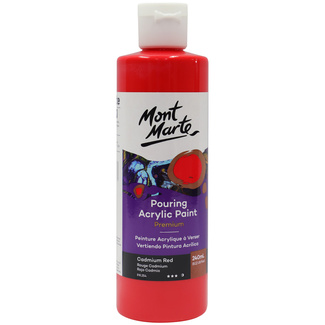
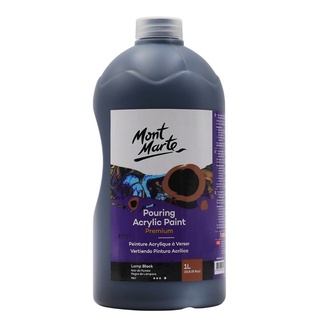
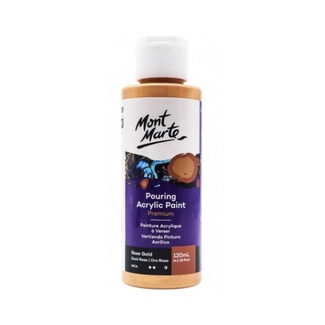
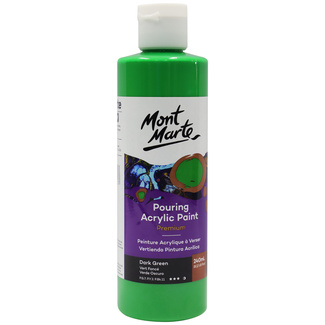
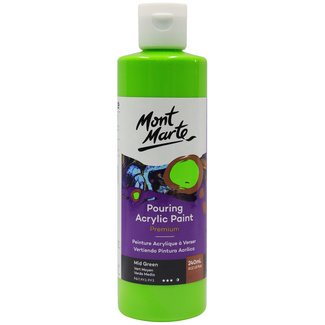
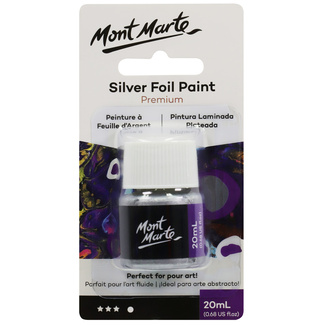
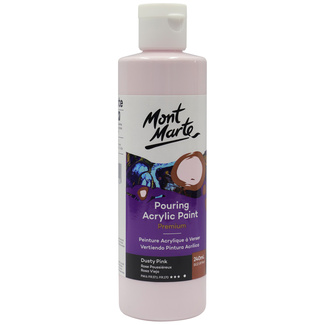
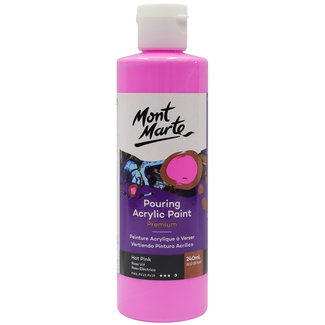
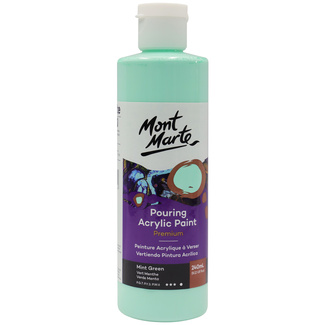
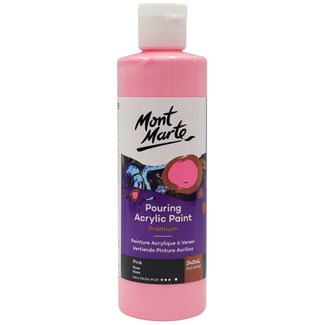
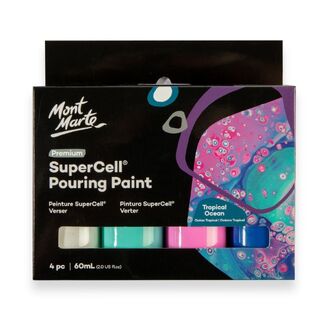
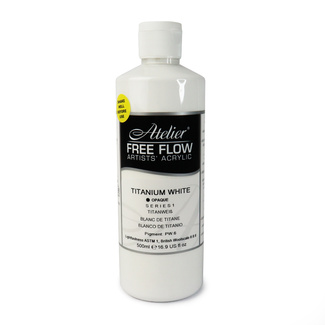
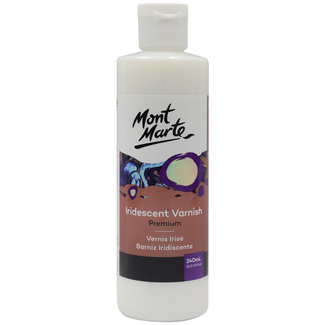
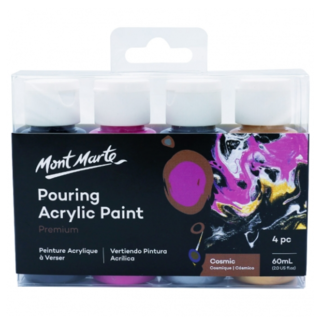
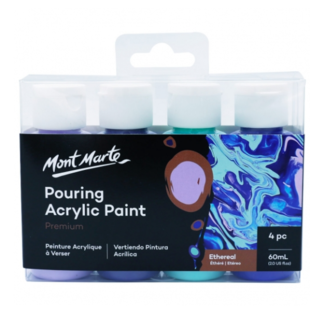
Fluid art and pouring mediums feel less like traditional painting and more like witnessing some strange colourful weather event unfold directly across your panel canvas. Paint floods, stretches, collides, separates, and blooms into patterns no human being could realistically plan in advance, which is exactly why artists become completely obsessed with it.
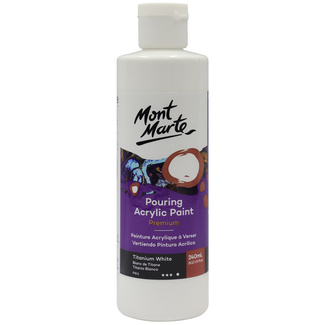
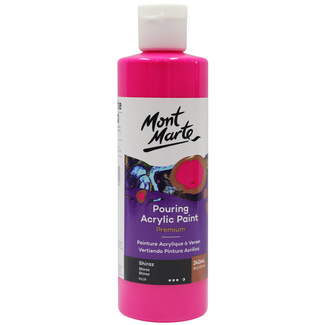
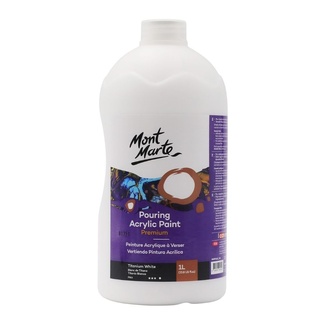
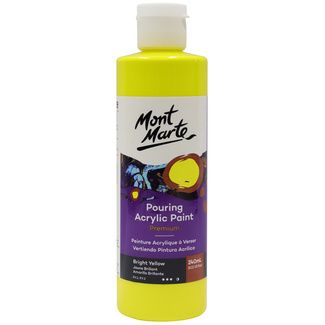
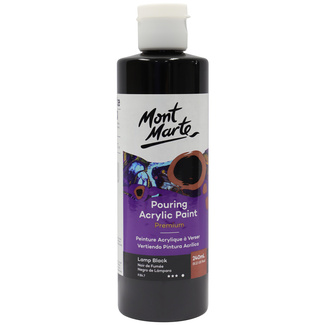
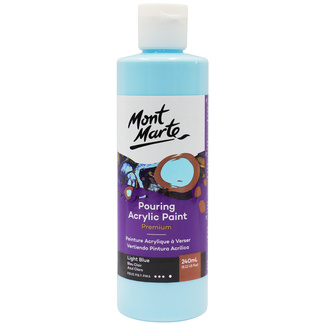
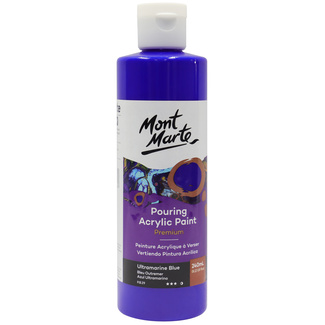
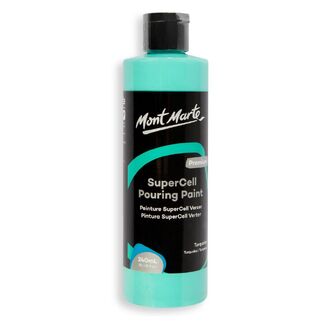
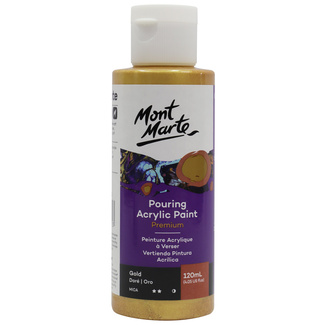
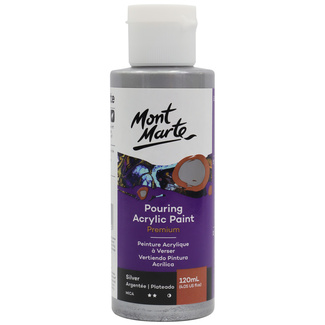
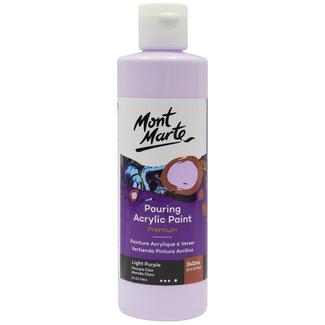
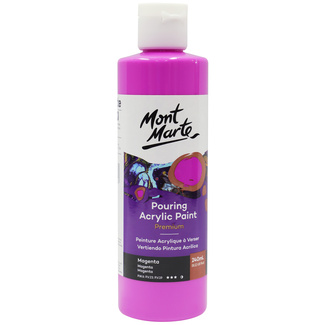
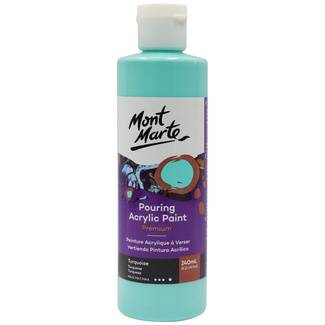
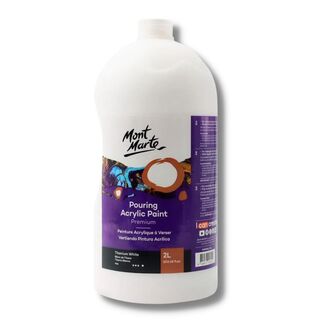
At Art Shed, our acrylic pouring paints are made for artists who want to get straight to the satisfying part instead of spending half the afternoon trapped in a chemistry experiment gone wrong. These ultra-flowy, pre-mixed formulas arrive ready to pour with the ideal consistency already built in, making it easier to create dramatic cells, smooth movement, and vibrant colour separation without sacrificing pigment strength or finish quality.
Pre-Mixed and Ready-to-Pour: Simplify Your Fluid Art
Fluid art already asks artists to surrender a certain amount of control to the paint gods. The materials themselves should not also be staging a rebellion.
Traditional heavy-body acrylics usually require pouring mediums, thinning, mixing ratios, and enough trial-and-error to make the entire process feel suspiciously close to potion brewing. Pre-mixed pouring paints skip that chaos entirely. The consistency is already balanced correctly, allowing the paint to glide across the surface smoothly while still holding onto strong, vibrant pigment.
Dirty pours, flip cups, swipes, puddle pours; every fluid art technique depends on movement behaving properly once the paint hits the canvas. Good pouring paints stretch and separate beautifully instead of immediately collapsing into muddy disaster, which means artists spend less time fixing problems and more time watching strange rivers of colour carve themselves across the surface.
Achieving Vibrant Results and Dynamic Cell Creation
Cells are the mythical creatures of the pouring world. Entire artistic journeys have been launched in pursuit of them.
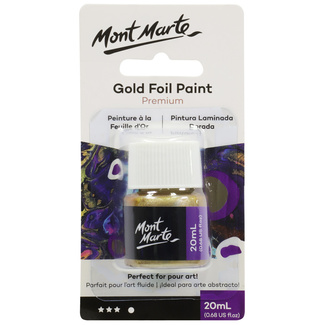
High-quality pouring paints help colours stay cleaner and more distinct as they move, which is what allows those dramatic separations and layered effects to happen naturally. Metallics add shimmer and depth, neon pigments vibrate with almost alarming intensity, and layered pours create patterns resembling galaxies, topographical maps, or ancient marbled stone pulled from the floor of a forgotten temple somewhere.
That unpredictability is part of the magic. Fluid art rewards experimentation, embraces happy accidents, and occasionally produces results so satisfying the artist immediately forgets the previous forty failed pours sitting nearby drying in disappointment.
FAQs
What is the difference between pouring paint and regular acrylic paint?
Pouring paints are pre-mixed with the correct consistency for fluid art, while regular acrylics usually need additional pouring medium and thinning.
Do I need to add a pouring medium to these pre-mixed paints?
Most pre-mixed pouring paints are ready to use straight from the bottle.
Are these pouring paints suitable for use on wood, glass, or ceramic?
Yep. Many artists use pouring paints across wood panels, ceramic tiles, glass, and other smooth surfaces.
How do I get more "cells" using these specific paints?
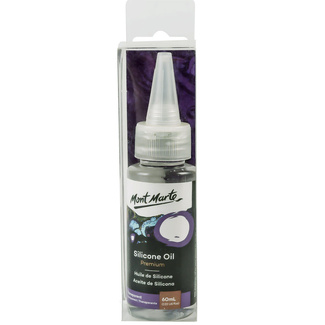
Silicone oil, heat tools, paint density differences, and layering techniques can all encourage cell formation.
Do these paints dry with a matte or gloss finish?
Most dry with a glossy or satin finish that helps colours appear richer and more vibrant once cured.