





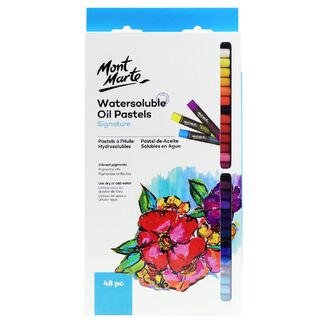
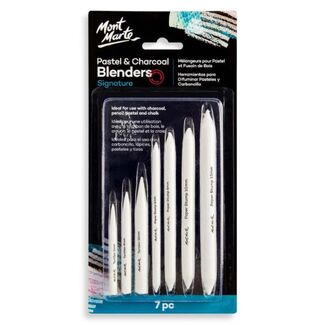
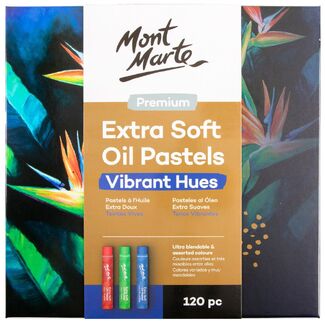
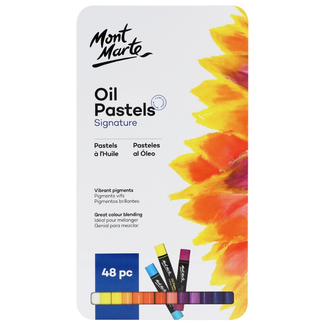

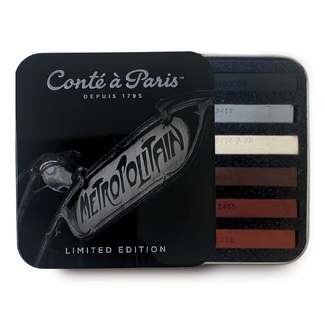
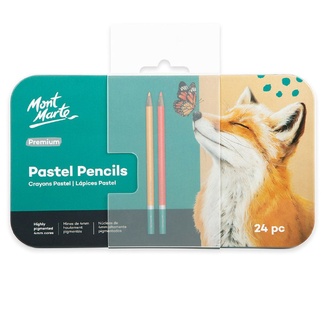
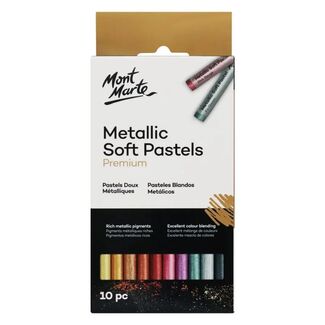
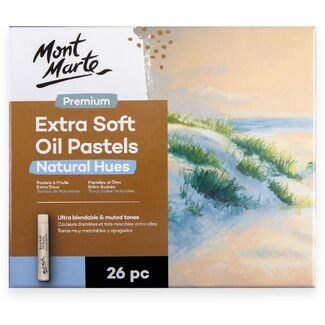
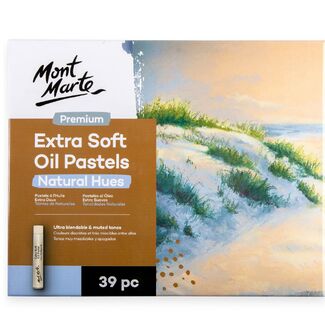
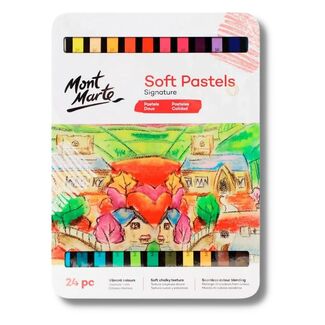
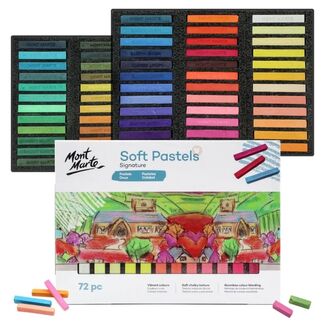
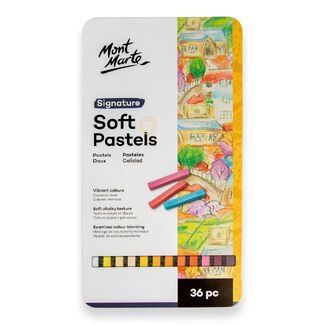
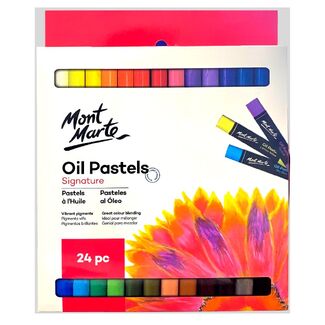
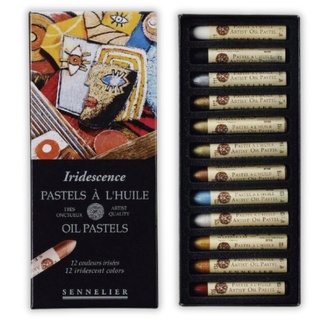
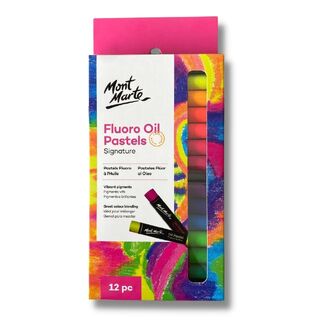
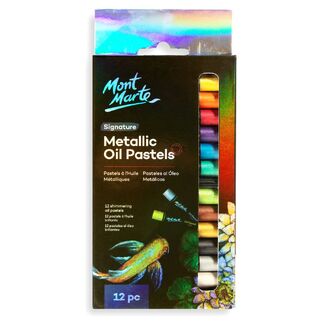
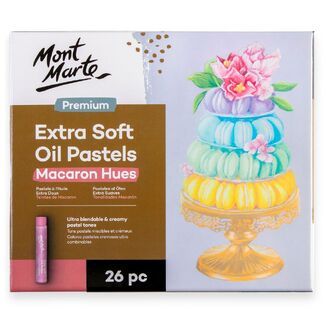
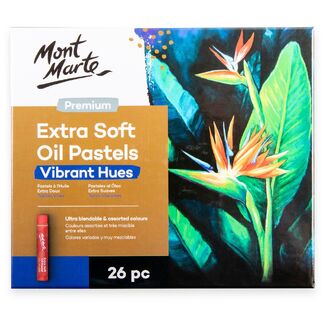
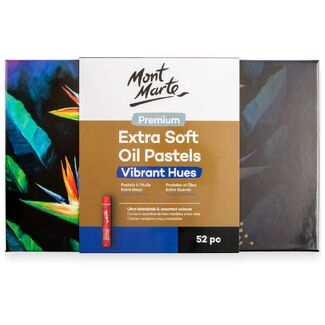
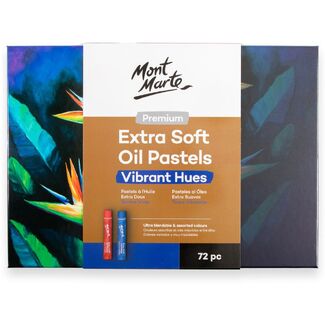
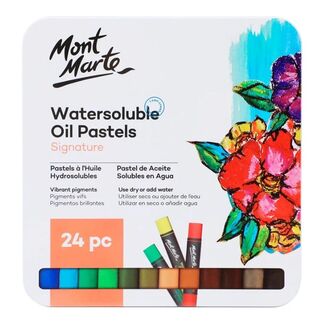
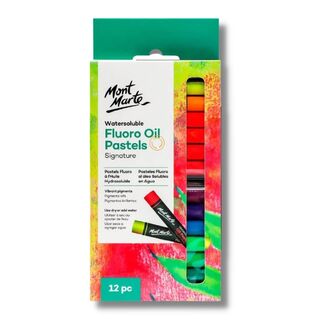
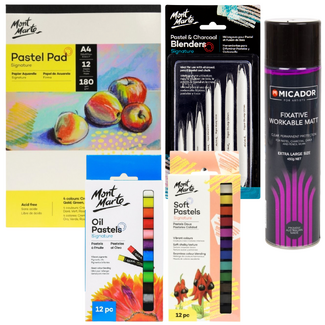
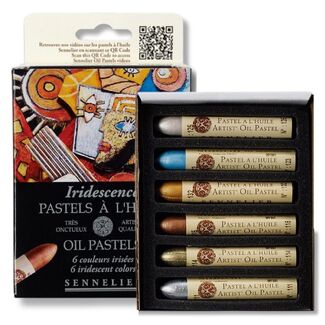
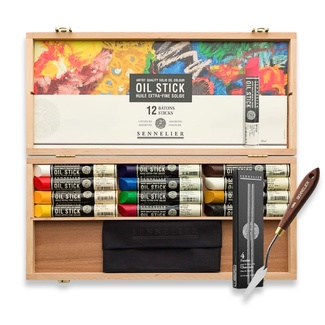
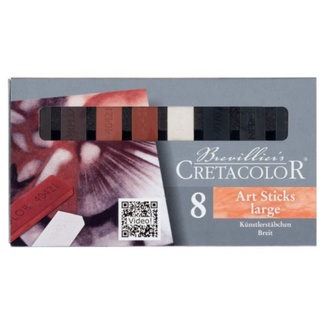
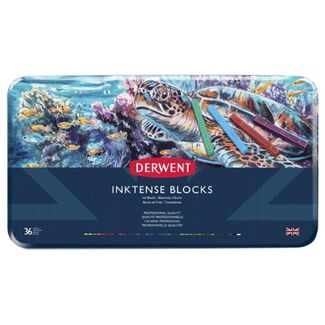
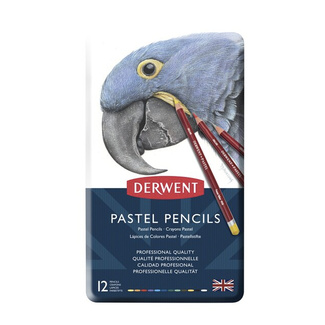
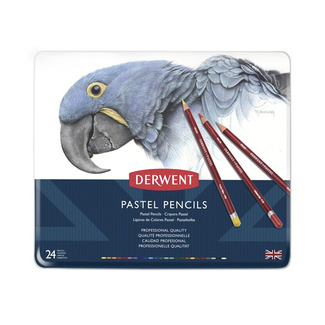
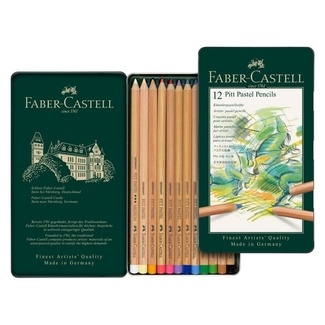
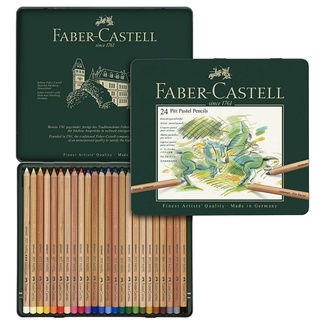
Art Shed’s premium pastel range spans soft, hard and oil pastels, each offering a different feel, finish and way of working. From bold, expressive colour to controlled line work and layered blending, pastels allow artists to work intuitively while still achieving depth, texture and tonal range. Whether you’re sketching ideas, building complex compositions or finishing exhibition-ready pieces, the right pastel can dramatically shape how your work develops on the surface.
Our collection includes trusted brands such as Sennelier, Rembrandt, Derwent, Cretacolor, Mont Marte, Reeves and Sakura Cray-Pas, with options covering beginner through to professional use. The range includes an extensive mix of soft, hard and oil pastel sets in a wide variety of formats, sizes and colour selections, from compact starter kits to expansive studio sets designed for regular or large-scale work.
With choices across pigment strength, softness, colour families and price points, it’s easy to build a pastel setup that suits how you like to work, what surfaces you prefer and how much control or expression you want from your materials.
Choosing Between Soft, Hard and Oil Pastels
Each pastel type offers a different drawing experience, and choosing the right one depends on how you like to work, the level of detail you need and the surface you’re using.
Soft Pastels
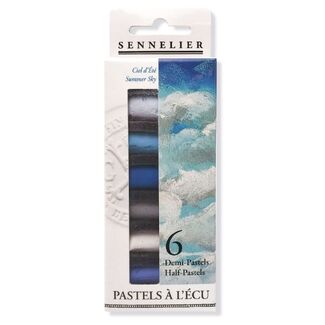
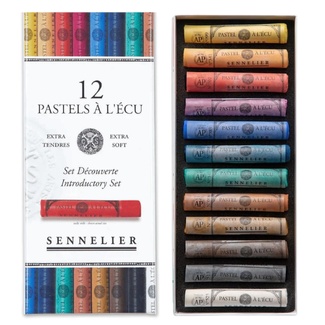
Soft pastels are known for their rich pigmentation and smooth, velvety application. They blend easily and produce strong colour payoff, making them ideal for expressive work, painterly techniques and layered compositions. Because they’re softer and more powdery, they’re typically used on textured papers and sanded surfaces that can grip the pigment.
Artists drawn to atmospheric colour, loose mark-making and light-filled effects often gravitate toward soft pastels — a technique famously explored by artists like Claude Monet in his pastel studies.
Hard Pastels
Hard pastels feel firmer in the hand and offer more resistance against the surface, which translates to greater control. They’re commonly used for sketching, fine detail, line work and underdrawing, or alongside soft pastels to establish structure before blending. Their chalk-like feel and durability make them well suited to planning, precision and artists who prefer clearer edges and defined marks.
Oil Pastels
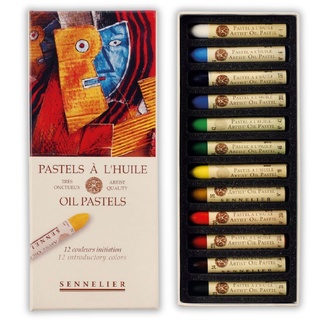
Oil pastels have a creamy, non-dusty texture that feels closer to drawing with lipstick than traditional dry pastels. They glide smoothly across the surface, allowing colour to be layered, smudged and pushed around without the powdery fallout of soft pastels. Because they don’t rely on fixative in the same way, oil pastels are often used for bold, direct mark-making and mixed media work on paper, board and canvas.
Many artists are drawn to oil pastels for their ability to create softened edges and blurred transitions, which makes them especially popular for impressionistic styles. If you love blurred edges, painterly colour and impressionist-style work, oil pastels are often the easiest place to start.
What to Look for in a Quality Pastel Set
A quality pastel set is one that performs reliably and suits how you plan to use it, not simply the most expensive option. One of the first things to consider is pigment quality, which affects how rich the colours appear and how smoothly they apply and blend. Beginner and intermediate sets are formulated to offer balanced colour and manageable handling, while higher-grade sets typically provide stronger pigment and more nuanced blending for advanced work.
Lightfastness becomes more important if you plan to keep or display finished pieces, as it indicates how well colours resist fading over time. For learning, sketching and practice, this is less critical, which is why many starter sets focus instead on durability and ease of use.
A good colour range also makes a big difference. Sets that include lights, darks, mid-tones and a few neutral shades make it easier to create depth and contrast, even if you’re new to pastels. Stick feel and durability matter too. Firmer pastels tend to last longer and offer more control, while softer pastels allow for richer colour and smoother blending as confidence grows.
Ultimately, a quality pastel set is one that feels comfortable to use, gives consistent results and supports your current skill level, while still leaving room to grow.
Frequently Asked Questions
What’s the difference between soft pastels and oil pastels?
Soft pastels are dry and powdery with a velvety finish, designed for blending and layered colour on textured surfaces. Oil pastels have a creamy, waxy texture that feels more like oil paint sticks, allowing for smooth application and blurred, painterly effects without the same level of dust.
Are pastels suitable for beginners?
Yes. Pastels are very beginner-friendly because they’re direct and intuitive to use. Many beginners start with hard or beginner pastel sets, which offer more control and durability while learning blending, layering and colour placement.
Which surfaces work best with pastels?
Textured papers, pastel paper and sanded surfaces work best for soft and hard pastels, as they can hold more pigment. Oil pastels are more versatile and can be used on a wider range of surfaces, including paper, board and canvas.
How do I stop pastel artwork from smudging?
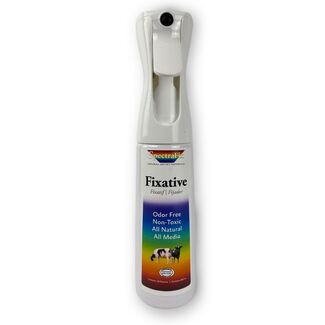
Using a fixative spray helps set dry pastels and reduce smudging. Working on textured surfaces and framing finished pieces behind glass also helps protect pastel artworks over time.
Resources, Tutorials & More
Want to get more out of your pastels? Explore our growing collection of guides, blogs and artist-led tutorials covering pastel techniques, blending methods, surface selection, fixatives and care tips to help you get the best results from your materials.