





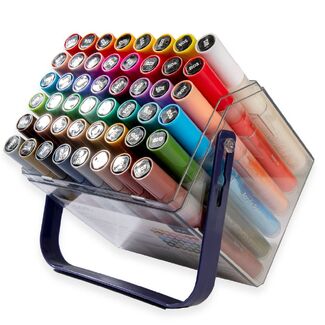
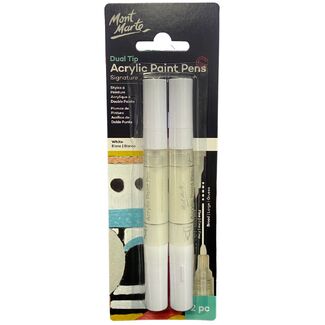
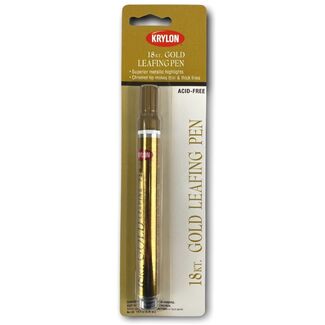
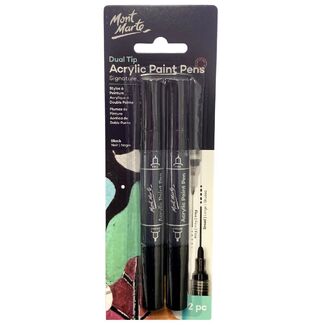
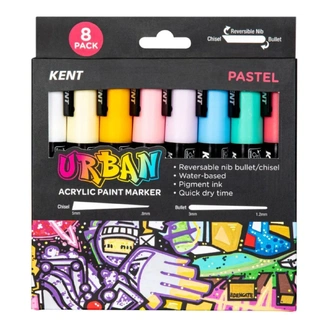
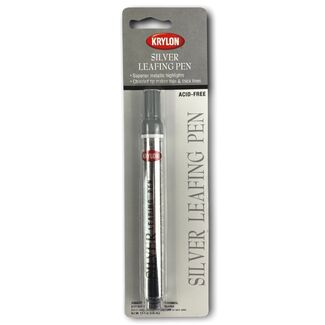
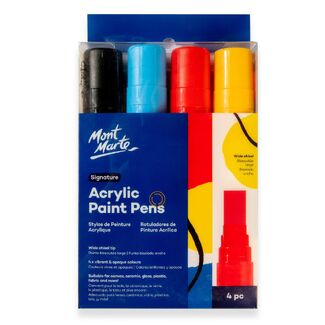
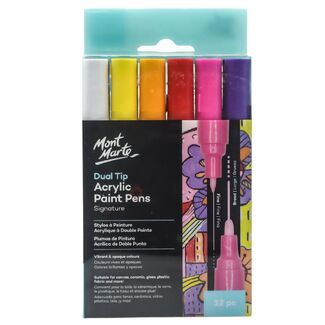
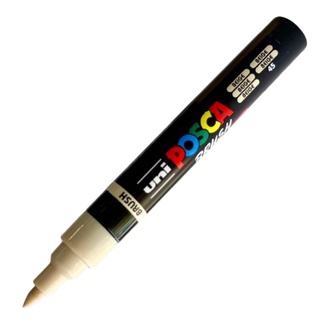
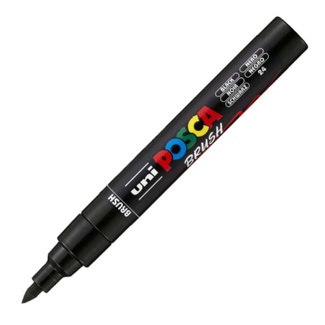
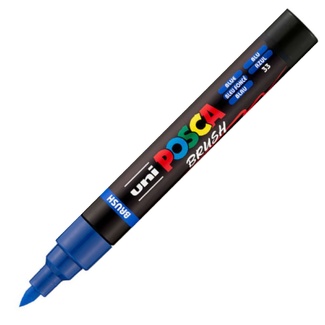
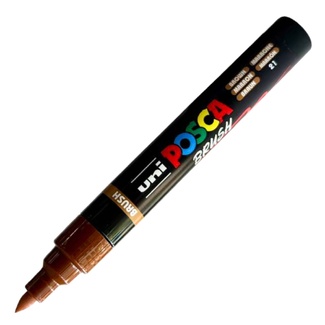
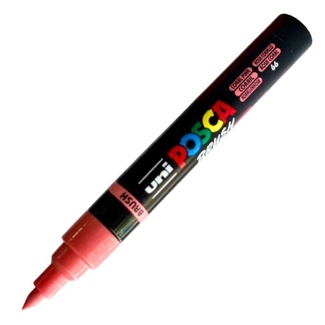
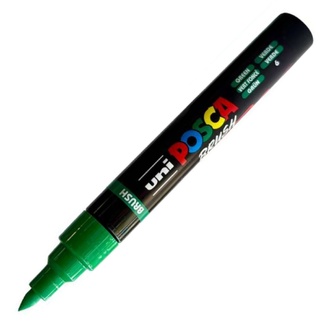
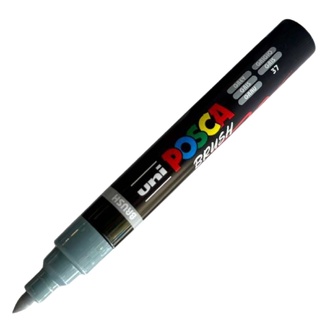
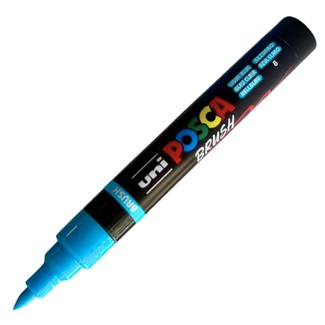
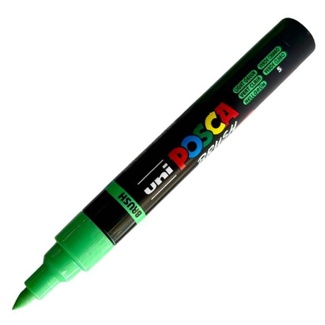
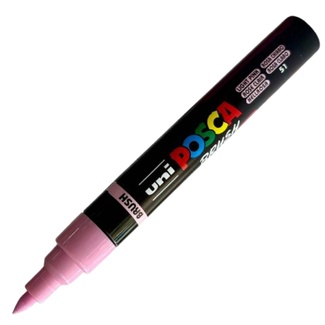
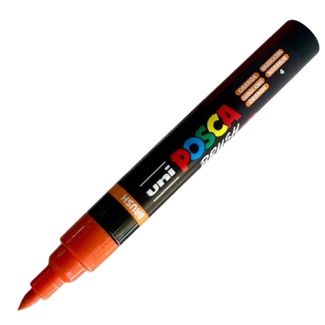
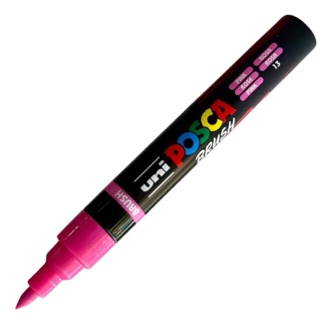
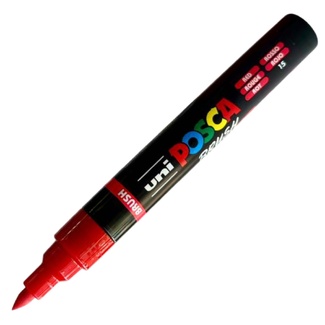
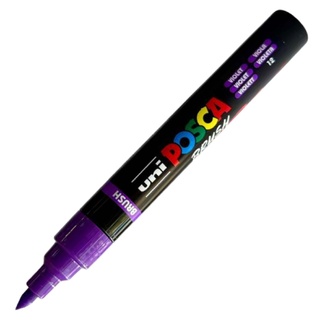
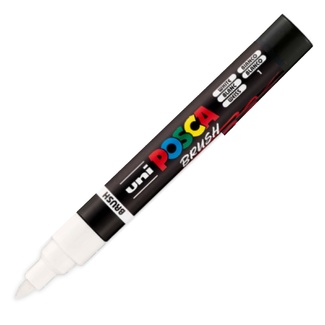
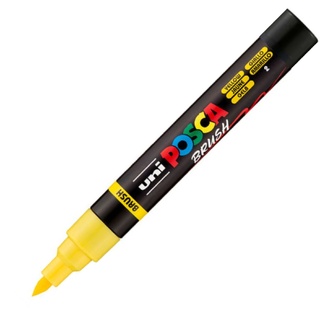
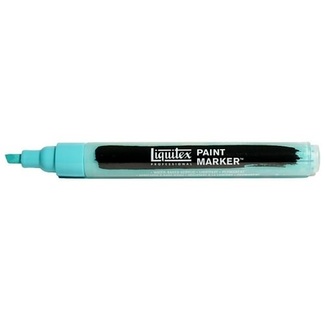
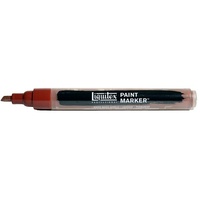
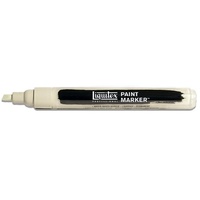
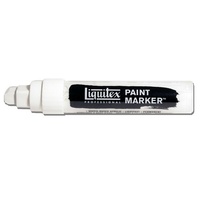
Paint markers sit in a really unique space between drawing and painting. They give you the coverage and vibrancy of paint, but in a format that’s controlled, portable, and easy to work with. For artists, illustrators, and makers, that means less setup, less mess, and more time actually creating.
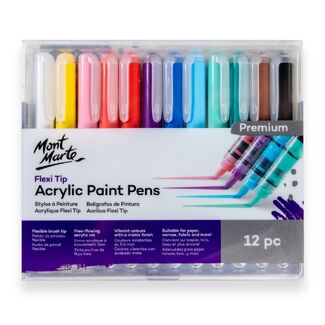
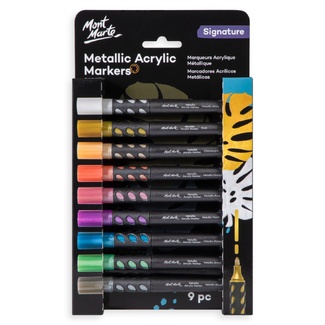
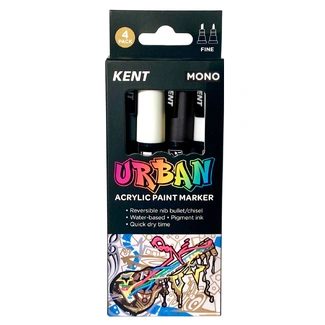
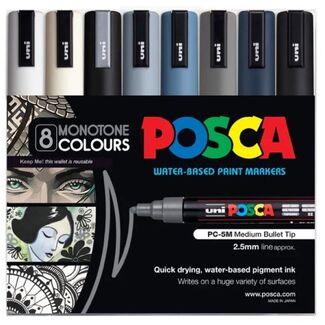
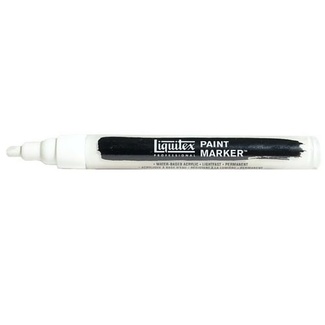
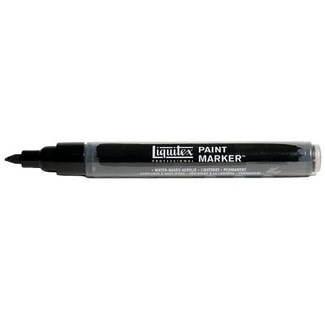
At Art Shed, the range brings together trusted brands like Posca, Liquitex, Mont Marte, Kent Urban, Surfer Paints and more. Each brand offers slightly different strengths, from ultra-smooth flow systems to highly durable outdoor formulations, giving you options depending on how and where you like to work. Whether you’re layering on canvas, adding details to mixed media work, or customising objects, paint markers offer a flexible, reliable way to apply colour across a wide range of surfaces.
The Precision of a Pen with the Power of Paint
Paint markers are built around a valve-controlled system, which regulates how the paint flows through the nib. This is what allows them to deliver consistent, even coverage without flooding the surface. Before first use, the marker needs to be shaken and “primed” to activate this system, ensuring the pigment is evenly distributed and ready to apply.
Unlike alcohol or dye-based markers, the pigment in paint markers is designed to sit on top of the surface rather than absorb into it. This changes how colour behaves in a few important ways. It allows for strong opacity, meaning colours remain visible even on dark or coloured backgrounds. It also means you can layer lighter colours over darker ones once dry, which isn’t possible with most traditional markers.
Because the paint dries as a film on the surface, it also offers better lightfastness and durability, especially in acrylic-based formulas. This makes paint markers suitable for work that needs to last, whether that’s a finished artwork, a design piece, or a customised object.
- Nib design plays a big role in how paint markers perform.
- Extra-fine and fine tips are ideal for controlled linework, illustration, and detail
- Bullet tips provide a balance between line and fill
- Chisel and broad tips are better suited to coverage, blocking colour, and expressive marks
Some ranges, like those from Posca and Liquitex, are known for their particularly consistent flow and replaceable nib options, while brands like Kent Urban and Surfer Paints lean into bold application and street-art-style versatility. Mont Marte offers accessible, reliable options that are well-suited to both beginners and everyday studio use.
Versatile Application Across Every Creative Surface
One of the biggest strengths of paint markers is how well they adapt to different materials. Because the paint sits on the surface, they can be used across both porous and non-porous surfaces, with the right preparation.
On canvas and paper, paint markers behave similarly to acrylic paint, allowing for layering, blending (when wet), and detailed mark-making. On surfaces like wood, they can be used for illustration, signage, or decorative work, with the grain of the material subtly affecting the final finish.
On smoother, non-porous surfaces such as glass, metal, or plastic, adhesion depends more on surface preparation and sealing. In these cases, lightly cleaning or priming the surface can improve durability, and a sealant can help protect the finished work if it’s being handled or exposed to the elements.
Paint markers have become especially popular in areas like:
- Street art and mural work, where portability and bold coverage matter
- Customisation projects, including sneakers, skate decks, and accessories
- Mixed media and illustration, where combining paint with drawing techniques creates more dynamic results
- Home and DIY projects, from plant pots to signage and décor
Many of the paint markers available at Art Shed are water-based and non-toxic, making them suitable for classroom use, workshops, and shared creative spaces. At the same time, professional-grade options offer the pigment strength and durability needed for more demanding applications.
Choosing the Right Paint Marker for Your Practice
Not all paint markers behave the same, and choosing the right one often comes down to how you like to work.
If you’re focused on fine detail and illustration, markers with smaller nib sizes and consistent flow, like Posca or Liquitex, tend to offer more control.
If you’re working on larger surfaces or bold applications, broader nibs and higher flow systems, such as those found in Kent Urban or Surfer Paints, can make coverage more efficient.
For general use or getting started, Mont Marte offers a balanced option that works well across different surfaces without overcomplicating the process.
It’s also worth considering whether you need removability or permanence. Some markers are designed to be more temporary on certain surfaces, while others are intended for long-term, durable finishes. Checking the base (water-based vs solvent-based) and recommended sealing methods can help ensure the result matches your intention.
Why Artists Choose Paint Markers
Paint markers are valued for their efficiency, control, and adaptability. They allow artists to move between detailed work and broader application without switching tools, and they simplify the process of working with paint across different environments.
For many artists, they become a staple not because they replace traditional painting, but because they complement it, offering a different way to approach colour, line, and surface.
FAQs
What is the difference between a paint marker and a regular permanent marker?
Paint markers use pigment-based paint that sits on the surface, offering opaque coverage and the ability to layer. Permanent markers use dye-based ink that absorbs into the surface and is generally more transparent.
Can paint markers be used on dark or black surfaces?
Yes. Their opacity allows colours to remain strong and visible, even on dark backgrounds.
Are paint markers permanent on glass and ceramic?
They can adhere well, but for long-term durability, heat-setting (where recommended) or sealing is often required, especially for items that will be handled or washed.
Do I need to prime my surface before using paint markers?
Not always, but priming can improve adhesion and longevity on smoother surfaces like metal or plastic.
How do I “prime” or start a new paint marker to get the ink flowing?
Shake the marker thoroughly, then press the nib down on a scrap surface until the paint begins to flow evenly. This activates the internal valve system.