





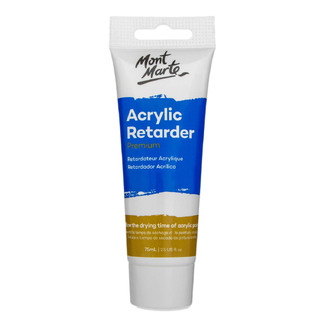
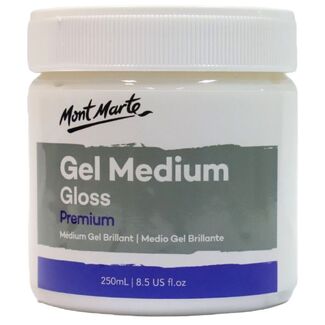
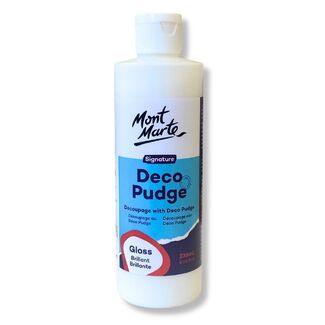
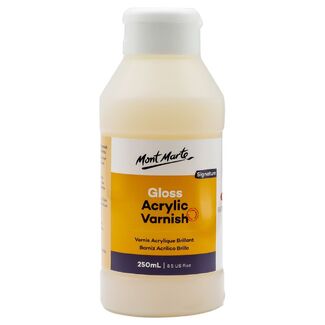
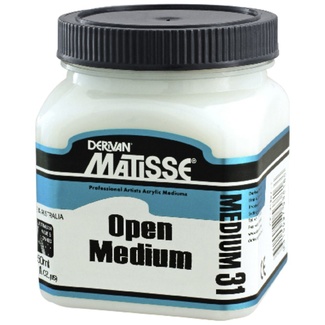
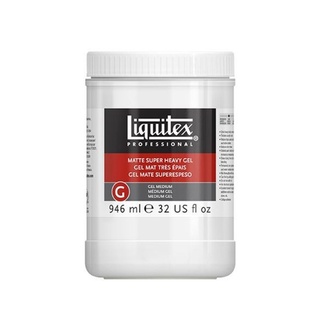
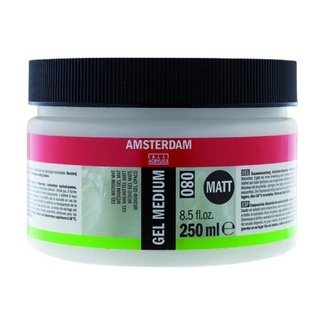

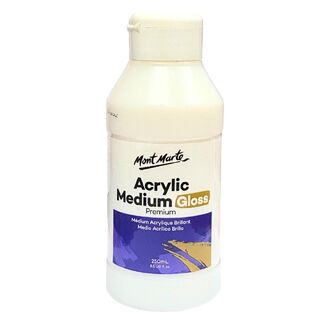
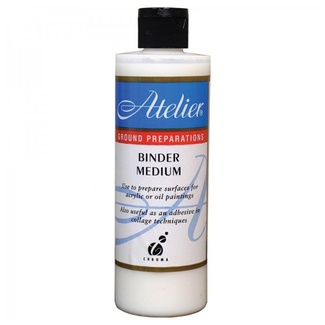
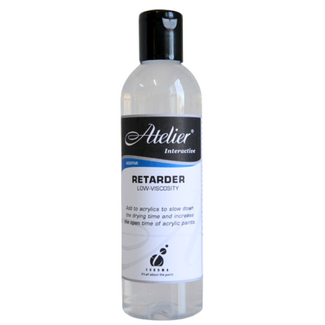
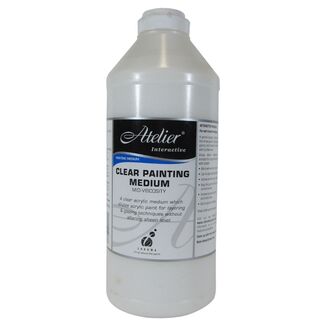
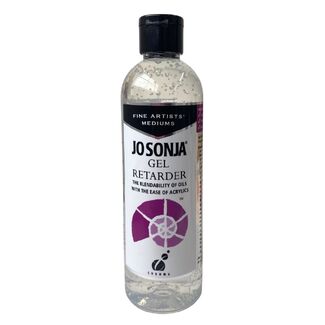
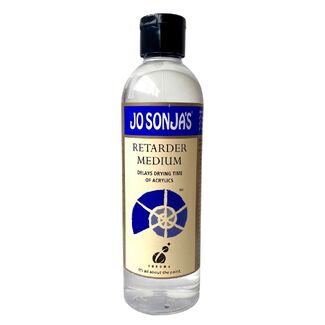
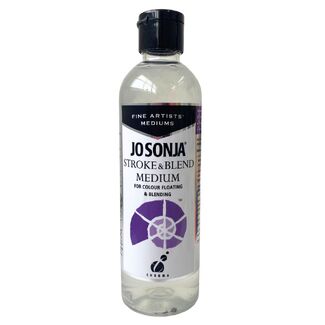
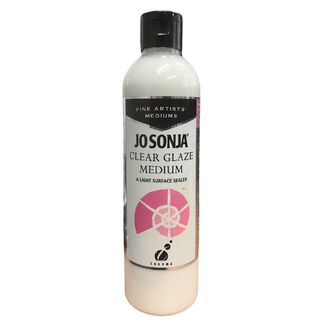
Every artist eventually reaches the point where a tube of paint alone isn't quite enough. That's where acrylic mediums come in. Designed to alter the texture, finish, transparency, and handling of acrylic paint, they give artists greater control over their materials and the freedom to explore new techniques. If you’re looking for anything from smooth glazes and fluid pours, all the way to heavily textured surfaces, acrylic mediums make it possible to tailor your paint to the way you like to work
What Are Acrylic Mediums and How Do They Work?
Acrylic mediums are additives that mix with acrylic paint to change its properties. Rather than altering the pigment itself, they modify how the paint handles, dries, and appears once applied to a surface.
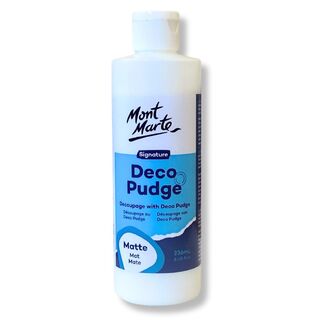
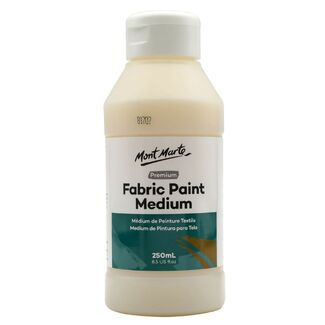
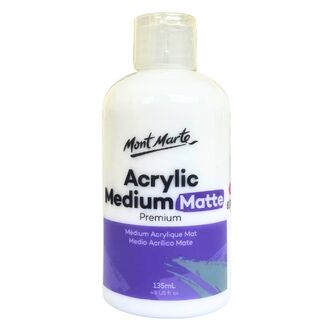
Depending on the medium, artists can increase transparency, extend drying time, add gloss, create matte finishes, or adjust the thickness of their paint. Some mediums make paint flow more easily, while others create heavier textures that hold brushstrokes and palette knife marks.
Because acrylic mediums contain the same acrylic binder found in the paint itself, they maintain adhesion and durability while allowing artists greater control over the final result. Think of them as customisation tools for your paint—less "new paint" and more "paint with bonus features."
Create Texture, Glazes, and Special Effects
Different creative goals call for different mediums, which is why there are so many options available.
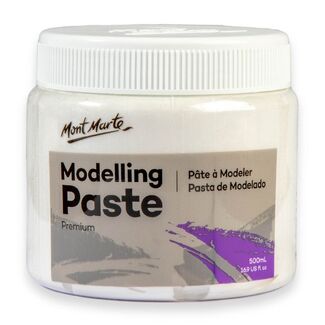
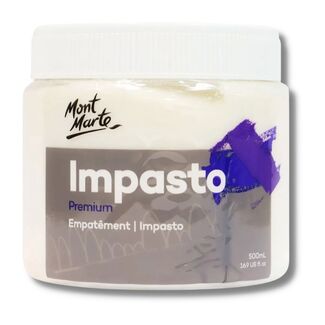
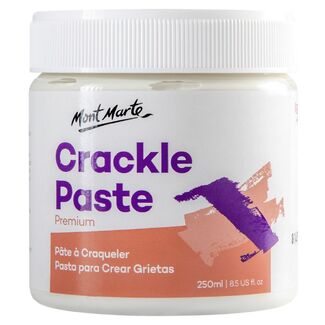
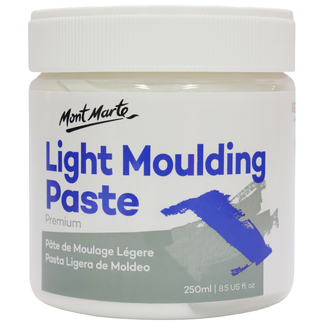
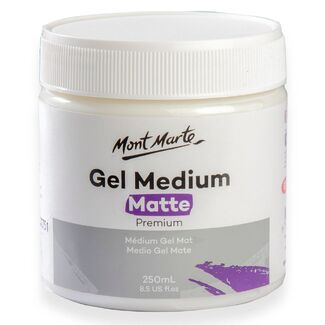
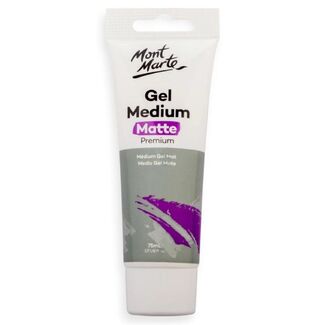
Gel mediums are popular for adding body and texture while maintaining colour strength. They're often used for impasto techniques and dimensional brushwork. Modelling pastes take texture even further, allowing artists to build raised surfaces and sculptural effects directly onto a canvas.
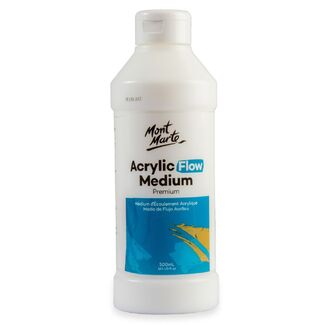
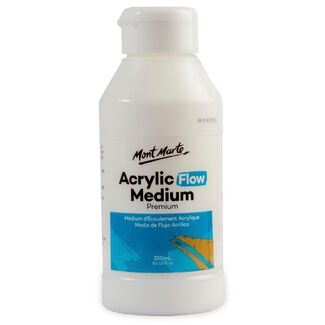
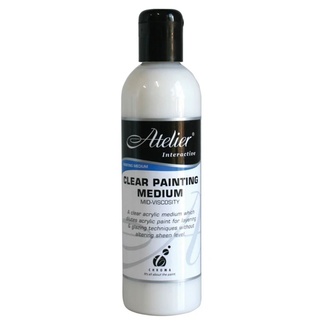
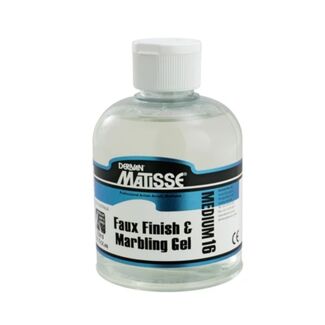
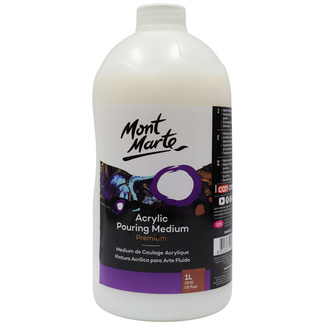
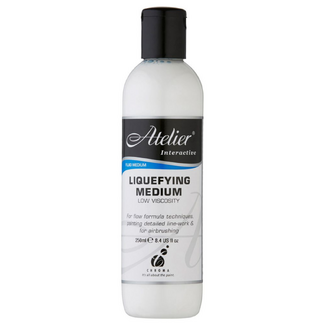
For artists interested in fluid art, pouring mediums help paint flow smoothly while reducing cracking and preserving colour consistency. Glazing mediums increase transparency, making it easier to create subtle layers, luminous effects, and smooth colour transitions.
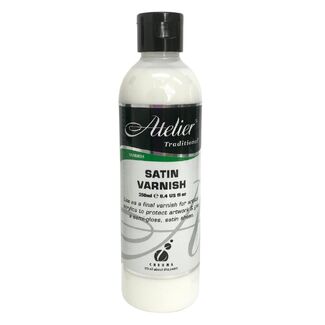
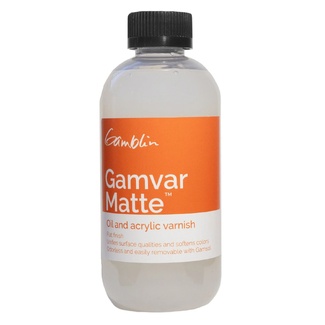
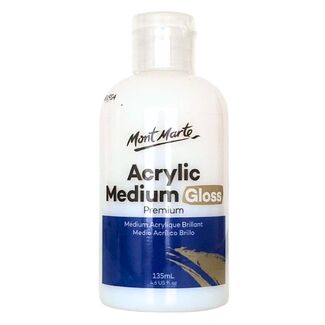
There are also varnishes and finishing products designed to protect completed artwork while adjusting the final sheen, from matte through to high gloss.
Expand the Possibilities of Acrylic Painting
One of the biggest advantages of acrylic mediums is the freedom they provide. Instead of adapting your ideas to suit the paint, you can adapt the paint to suit your ideas.
Mediums allow artists to experiment with different surfaces, create unique textures, alter finishes, and explore techniques that wouldn't be possible with paint alone. They can also help improve workflow by modifying drying times and handling characteristics for specific projects.
Whether you're creating layered abstract paintings, textured landscapes, fluid pours, or highly detailed glazes, acrylic mediums provide additional creative flexibility without requiring a completely different medium.
Sometimes a small addition to the paint can completely change the outcome, and occasionally save you from buying six different products to achieve one effect.
Frequently Asked Questions
What are acrylic mediums used for?
They are used to modify acrylic paint's texture, transparency, drying time, flow, and finish.
What is the difference between gel medium and modelling paste?
Gel medium adds body while remaining relatively flexible, while modelling paste creates heavier, more sculptural textures.
Can acrylic mediums change the drying time of paint?
Yes. Certain mediums are designed to extend or slow the drying process.
Are acrylic mediums suitable for beginners?
Absolutely. Many mediums are easy to use and can help beginners explore new techniques.
Do acrylic mediums affect paint colour?
Most mediums are designed to preserve colour while changing other properties such as texture, transparency, or sheen